
The Craftsmanship Behind BARABAS: What Goes Into Every Rhinestone, Every Seam, Every Piece
The Craftsmanship Behind BARABAS: What Goes Into Every Rhinestone, Every Seam, Every Piece
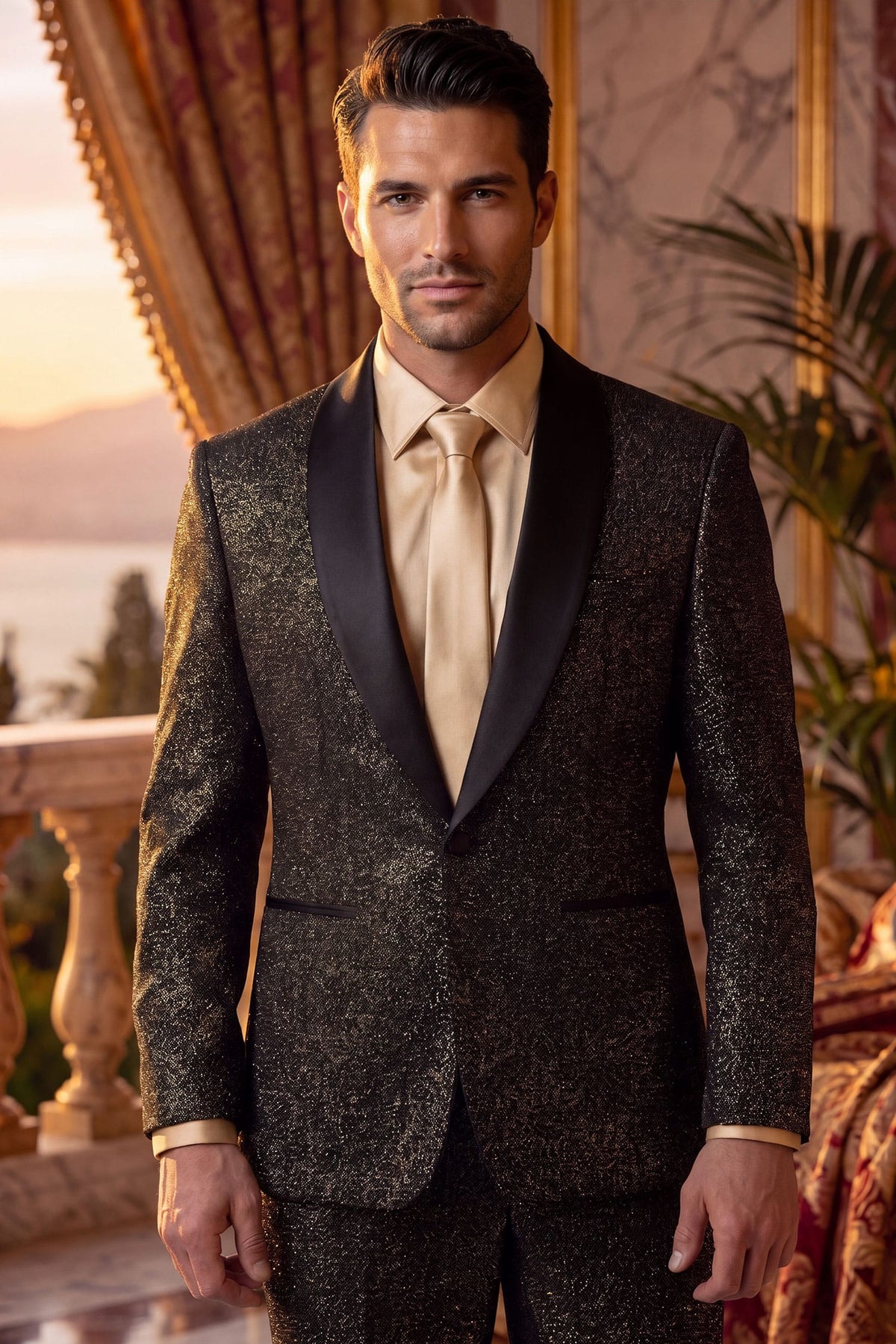
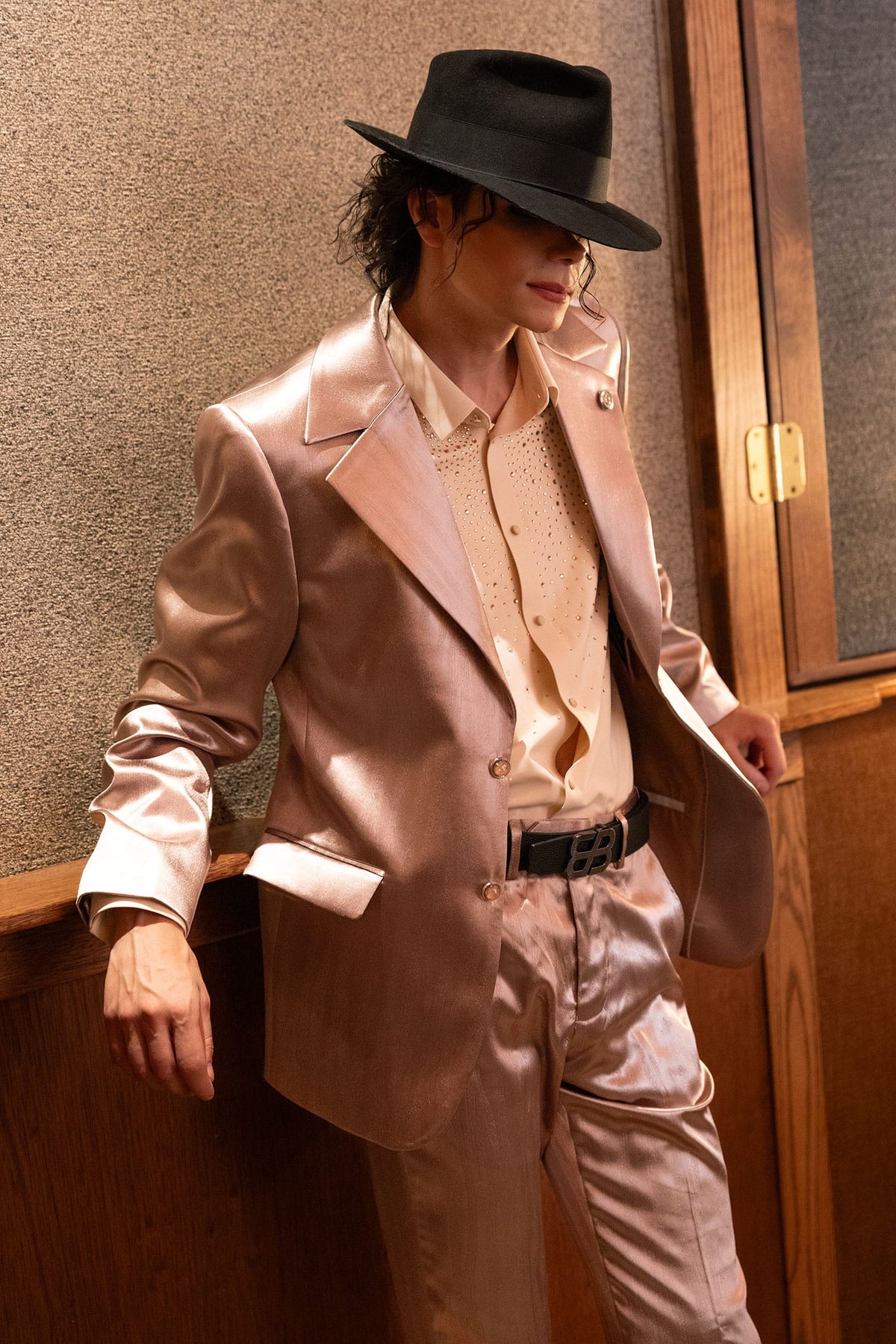
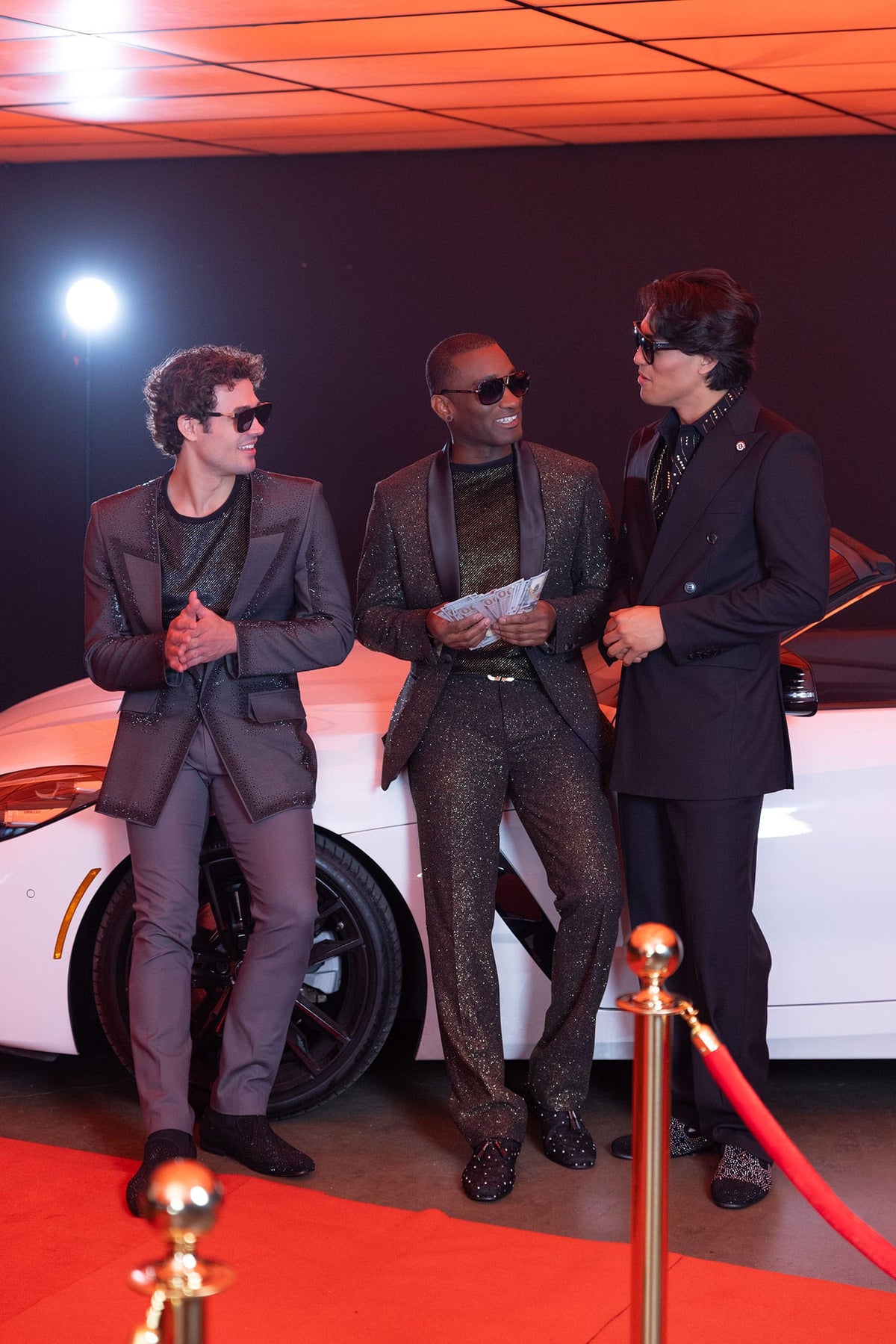
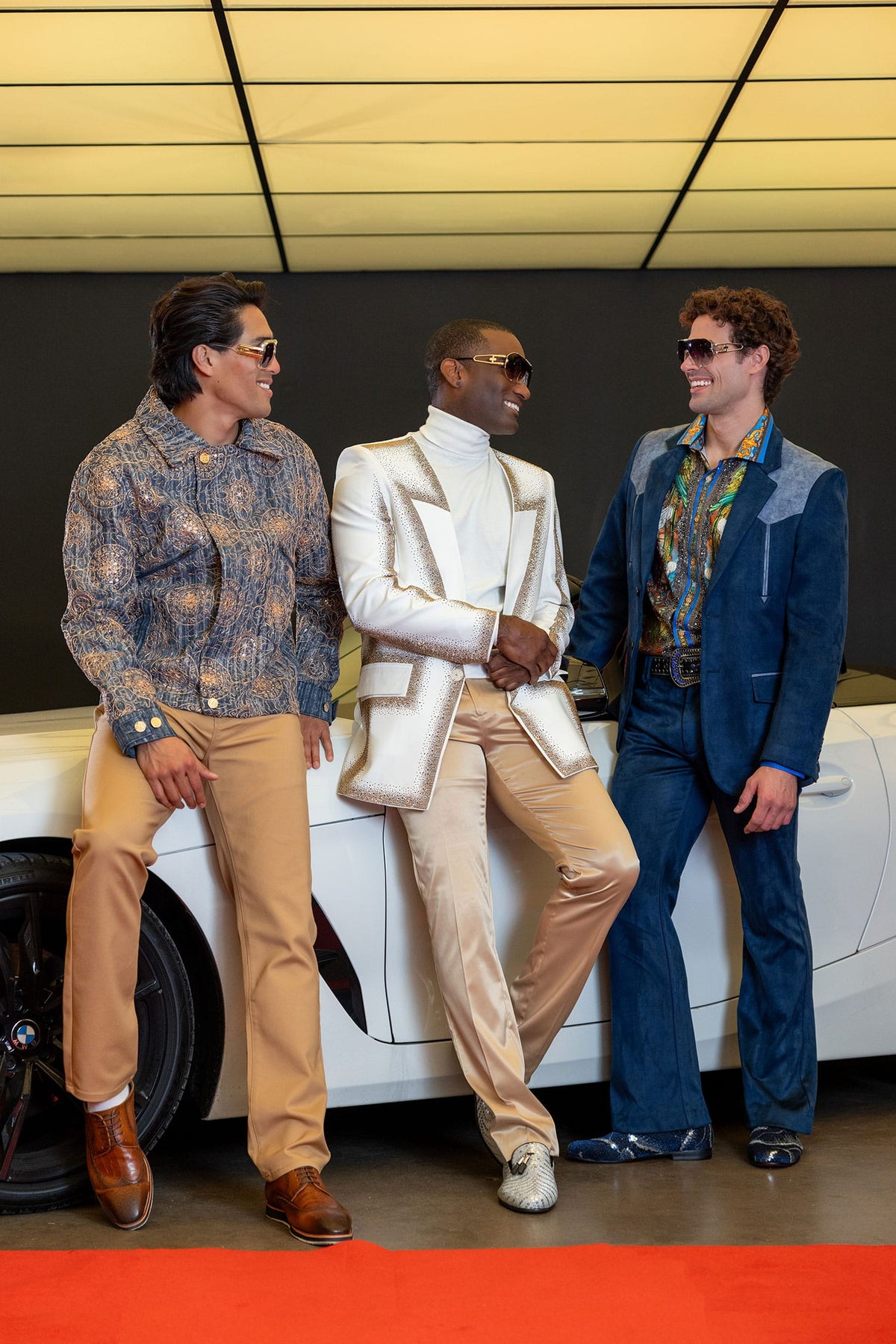
The most honest thing that can be said about BARABAS Men is this: the pieces look extraordinary because an extraordinary amount of work went into making them. The rhinestone that catches the light at a concert from thirty feet away was placed there by hand, with precision, as part of a designed pattern whose every element was considered for visual impact. The velvet suit that creates that depth of color under event lighting was constructed on a base fabric chosen specifically for how velvet behaves in different lighting conditions. The satin blazer that photographs with such luminosity didn't acquire that quality by accident — it came from a deliberate fabric selection process and a construction approach that prioritizes how the finished garment performs in the world over how quickly or cheaply it can be manufactured.
This guide opens the BARABAS design and production process — explaining specifically what goes into each category of piece and why those choices produce the results that have made the brand famous.

The Rhinestone Shirt: What Hand-Placement Actually Means
The term "hand-placed rhinestones" appears in descriptions of embellished clothing so frequently that it has almost lost meaning — but in the case of BARABAS rhinestone shirts, it describes a specific and genuinely labor-intensive process that produces results that automated rhinestone application cannot replicate.
Mass-produced rhinestone garments apply rhinestones through heat transfer sheets or automated hot-fix machines: rhinestones are pre-arranged on a backing material and then transferred to the fabric in a single pressing operation. The result is rhinestone coverage that is consistent in its spacing but visually flat — the rhinestones sit in a grid-like pattern that looks mechanical rather than artistic, and the coverage rarely maintains its quality across seams, lapels, and curved panels.
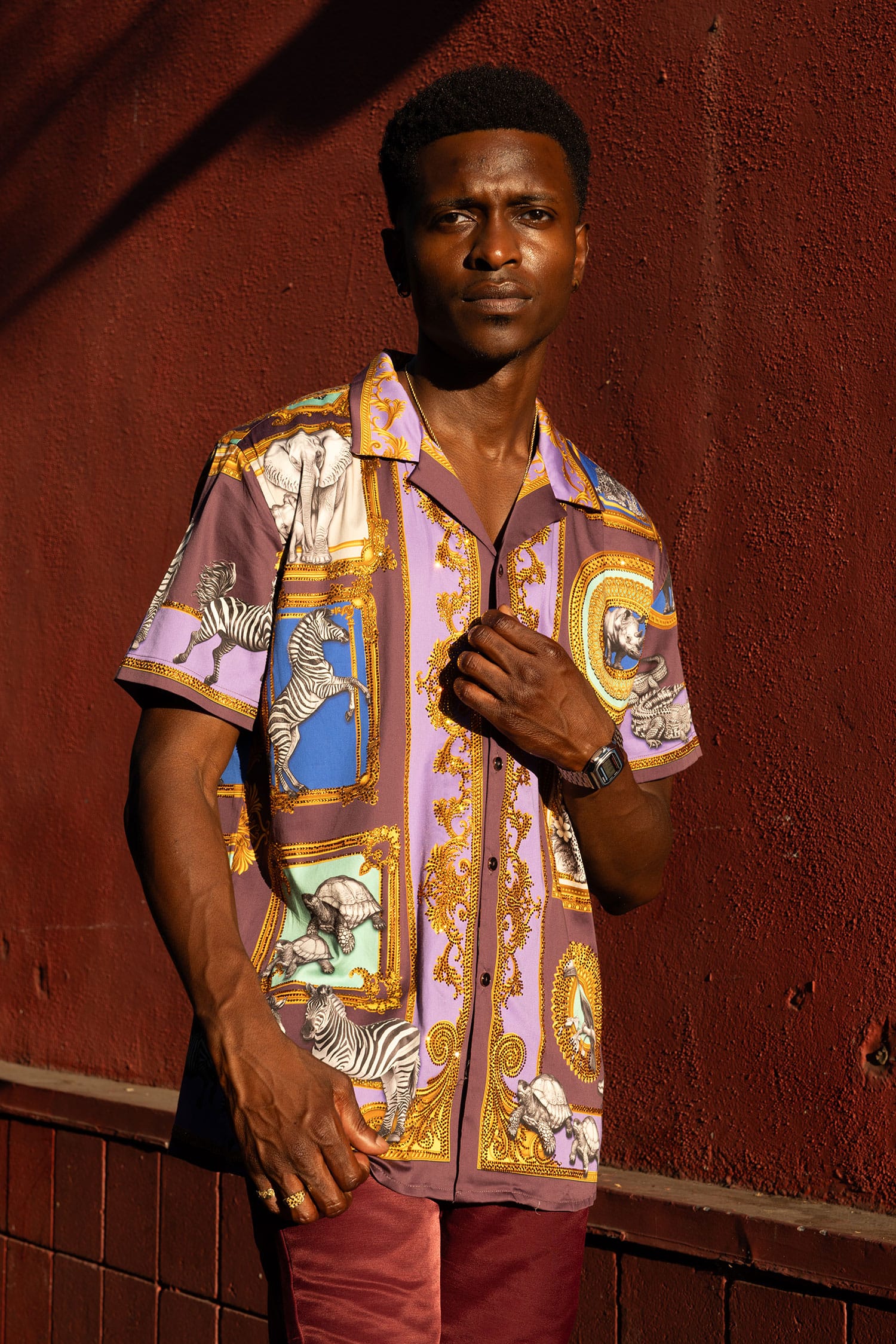
In BARABAS's premium rhinestone pieces, each rhinestone is placed individually by skilled craftspeople who work from a designed pattern. The Cana Rhinestone Long Sleeve Shirt's baroque coverage, for example, requires artisans to follow a floral and scrollwork pattern whose rhinestone density varies deliberately — denser at pattern centers to create focal points, more open at pattern edges to create flow and movement. This variation is what creates the three-dimensional visual quality that distinguishes a BARABAS rhinestone piece from a mass-produced alternative. Browse the complete rhinestone collection in the Glimmer & Glam collection.

The Velvet Suit: Why Fabric Choice Determines Everything
Velvet is not a single fabric. It's a category of woven fabric in which the cut pile creates a surface that interacts with light differently depending on the pile height, the pile density, the base fabric construction, and the fiber composition. A velvet suit made from lightweight, close-pile velvet in a controlled fiber blend behaves entirely differently than a heavy pile velvet — it drapes more cleanly, photographs with greater clarity, and maintains its shape more reliably through hours of wear in the physical conditions of a formal event.
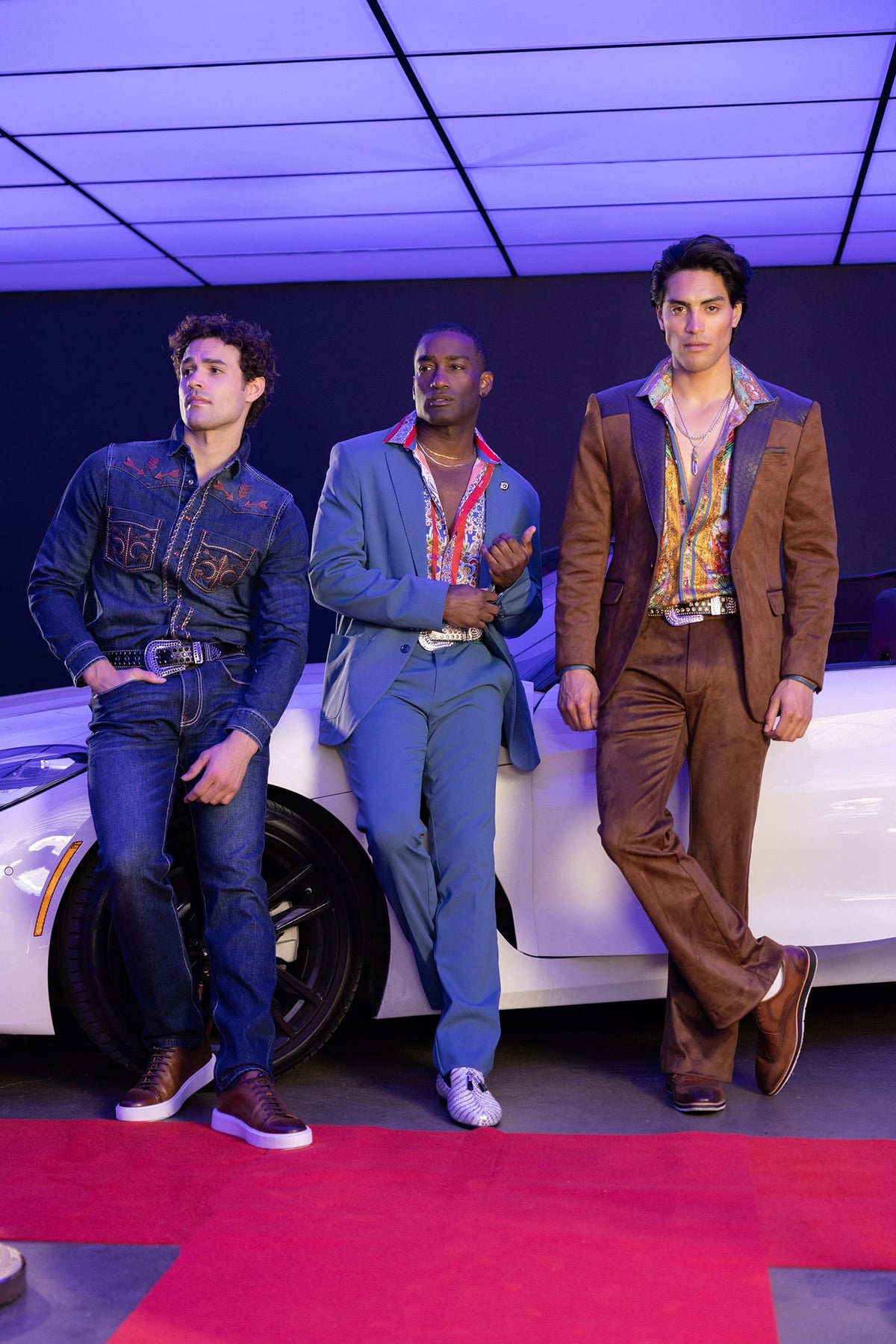
The Bangalore Velvet Peak Lapel Suit's specific velvet construction was chosen for a particular combination of properties: a pile height that creates the depth of color that makes velvet suits so visually powerful, a fiber blend that gives the fabric the body to support a clean peak-lapel construction without requiring excessive internal structure, and a weight that allows the suit to be worn comfortably through the duration of the events it's designed for. These are not arbitrary choices — they're the result of fabric development work that is invisible in the finished piece but audible in the response of every person who sees it worn. Browse all velvet options in the BARABAS Suits collection.
The Satin Blazer: Premium Fabric as Visual Performance
Satin is one of the most photogenic fabrics available in men's fashion because of how it handles light: unlike matte fabrics that absorb light uniformly, satin reflects light specularly — creating bright highlights and deeper shadows simultaneously on the same garment as it moves through different lighting environments. This dynamic light behavior is what makes satin pieces so visually compelling in event and press photography.
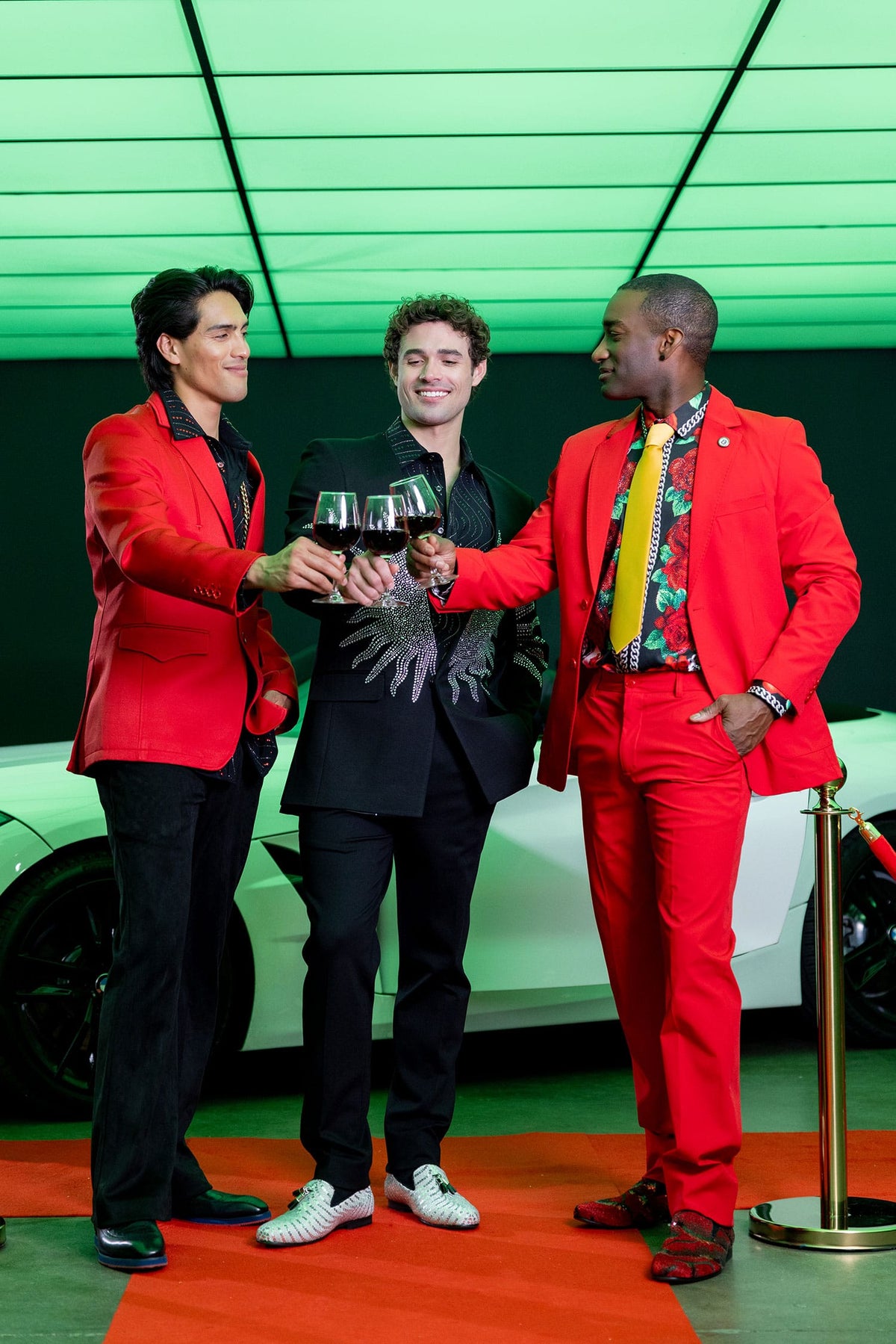
The Ardent Satin Blazer's premium metallic satin reflects light with greater clarity and consistency than lower-grade satin alternatives — the fiber content and weave structure produce a sheen that reads as genuinely luminous rather than simply shiny. In its 20+ colorways from Baby Lavender to Burgundy to Black Beauty, this fabric quality is consistent across the color range — each colorway was developed to ensure that the satin's reflective properties carry the same visual impact regardless of color. The Alaric Satin Blazer's metallic striped construction adds a directional light-reflection layer on top of the base satin's properties. From the BARABAS Blazers collection.
The Elite Collection: Craftsmanship at Its Peak
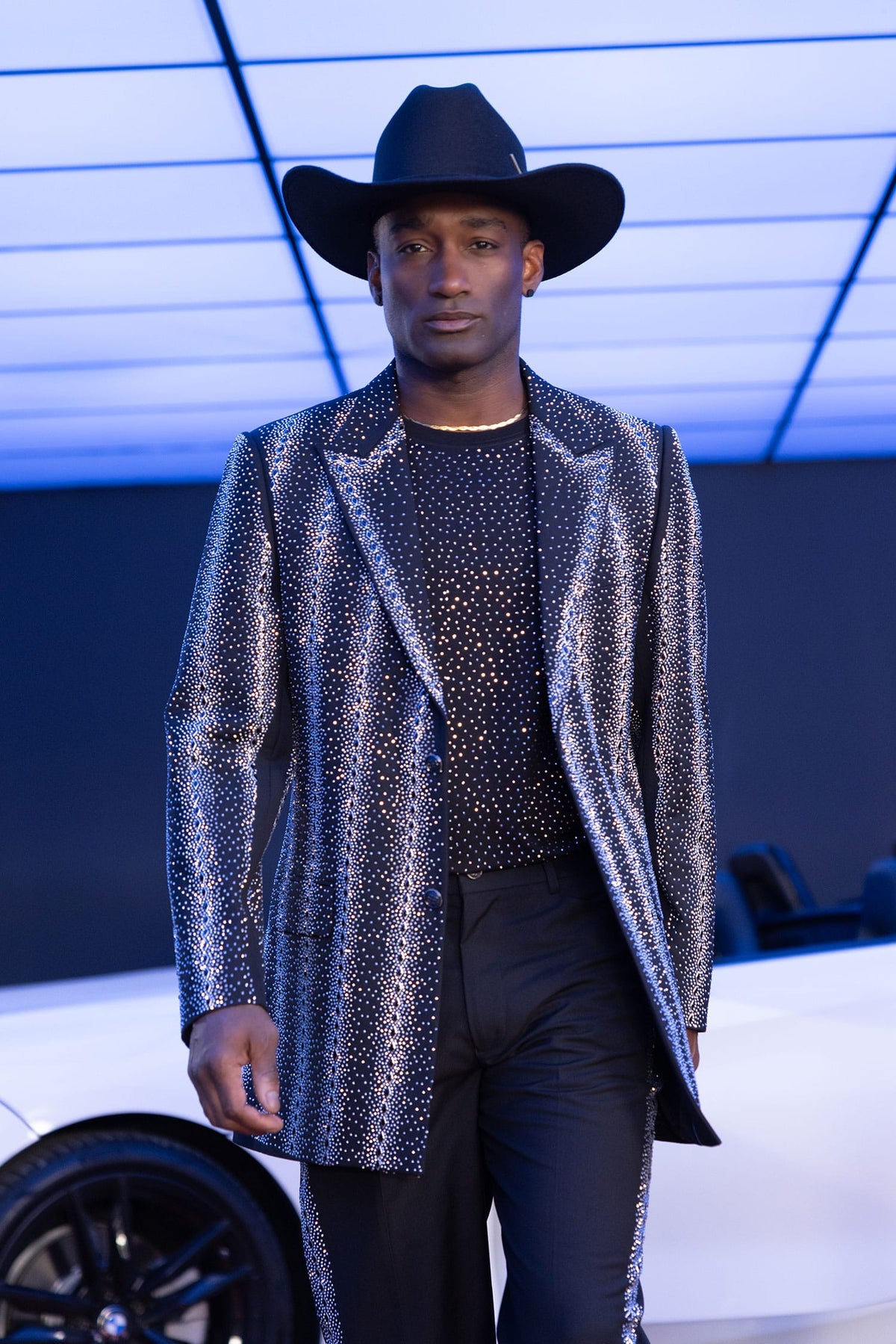
The Barabas Elite collection represents the highest expression of the brand's craftsmanship standards. Pieces like the Positive Artistic Blazer — with its extraordinary hand-crafted embellishment design — and the Midnight Opulence Rhinestone Suit with its stand-collar velvet and rhinestone stripe construction, represent multiple layers of craft applied to the same garment: premium fabric selection, precise pattern construction, hand-applied embellishment, and structural details like the stand collar that require skilled tailoring to execute correctly. Explore the BARABAS Elite collection.

Why Craftsmanship Matters: The Multi-Year Value Argument
The craftsmanship that goes into BARABAS pieces is not simply about quality as an abstract value. It's about the practical reality that a well-made rhinestone shirt, worn with proper care, maintains its embellishment quality through years of use. The rhinestones don't fall off after two wears. The velvet doesn't pill or lose its depth. The satin maintains its sheen rather than developing the dulling that lower-grade satin fabrics develop with washing and wear.
This durability transforms the cost-per-wear calculation for BARABAS pieces significantly. A rhinestone shirt worn twenty times over three years at the events that matter most has a cost-per-wear that is genuinely competitive with disposable fast-fashion alternatives — and delivers a completely different quality of experience, impression, and memory at every one of those twenty occasions. Browse the complete collection at BARABAS Best Sellers, New Arrivals, and barabasmen.com.
FAQ
Q: Are BARABAS rhinestones hand-applied?
A: Yes. BARABAS's premium rhinestone pieces use individually hand-placed rhinestones that follow designed patterns with deliberate density variation — producing the three-dimensional visual quality that distinguishes them from mass-produced rhinestone alternatives.
Q: How long do BARABAS rhinestone shirts last?
A: With proper care — gentle washing, careful storage, avoiding excessive friction — BARABAS rhinestone shirts maintain their embellishment quality through years of regular wear. The hand-placement process and heat-set adhesion method produce significantly better durability than transfer-sheet rhinestone application.
Q: What makes BARABAS suits worth the investment?
A: BARABAS suits are worth the investment because of the combination of premium fabric selection, precise tailoring construction, and — in embellished pieces — hand-applied embellishment that maintains its quality through years of wear at the most important events in a man's social calendar.