
Layering Like a Pro: The Complete Guide to Pairing Designer Dress Shirts, Sweaters & Blazers for Fall 2026
Layering Like a Pro: The Complete Guide to Pairing Designer Dress Shirts, Sweaters & Blazers for Fall 2026
Layering isn't just about staying warm. It's about mastering the art of sophistication. When done right, layering transforms your entire silhouette—it elongates your frame, adds visual interest, and signals that you understand luxury menswear. The problem? Most guys layer wrong. They stack pieces haphazardly, creating bulk instead of polish, or they play it so safe that the whole outfit falls flat.
This guide teaches you exactly how to layer like the luxury menswear experts at BARABAS do it. We'll cover fabric theory, color strategy, fit secrets, and specific product combinations that work. By the end, you'll know how to build layered outfits for every occasion—from the office to Saturday night.
Table of Contents
- Why Layering Changes Everything
- The Foundation: Base Layers & Dress Shirts
- The Middle Layer: Sweaters & Vests
- The Outer Layer: Blazers & Jackets
- Color Strategy for Cohesive Layering
- Fit Secrets That Make Layering Work
- Complete Buying Guide & Product Pairings
- 5 Common Layering Mistakes
- FAQ: Layering Questions Answered
Why Layering Changes Everything
Luxury layering is a game-changer because it solves real problems. First, it gives you versatility—one outfit adapts to temperature swings and social settings throughout your day. Remove the blazer for the office, add it for drinks. Simple. Second, layering adds dimension to your proportions. Strategic layering creates vertical lines that elongate your frame, making you look taller and leaner. Third, and most importantly, it communicates confidence. A man who layers intentionally is a man who understands his own style. He's not throwing together whatever's clean. He's building.
The science is straightforward: start thin at the base, build to thicker fabrics and textures as you move out, then anchor everything with a structured outer piece. This "thin to thick" principle prevents the bulky, puffy look that kills most layered outfits. Get it right, and people notice you. They don't see the layers—they see sophistication.
The Foundation: Base Layers & Dress Shirts
Your foundation layer is invisible when done well. It should be the lightest, most breathable piece you wear. Think fine cotton, merino wool blends, or soft synthetics designed to move moisture away from your skin. A proper base layer has almost no bulk. It's what you wear under everything else.
For fall and transitional seasons, your base isn't a t-shirt. It's a crisp dress shirt. This is where most guys miss the mark. They treat dress shirts as formal-only pieces, but luxury menswear uses them as foundations for layered outfits that work in casual and business settings.
Choosing Your Base Shirt
The best base layer dress shirts share three qualities: slim fit (so they don't bunch under sweaters), lightweight fabric (typically 100% cotton or cotton-blend), and subtle styling (plain colors or quiet patterns). Avoid heavy fabrics, oversized cuts, and bold prints at this layer. You want the shirt to disappear visually and structurally.
Look for shirts with:
- Spread collars — they look sharp when visible but don't create bulk where the blazer or sweater sits
- Button-down construction — slight stretch (2-5% spandex) prevents wrinkles under layers
- Tapered sleeves — no excess fabric at the wrist when you add a sweater or blazer
- Moderate chest print — a subtle pattern is fine; avoid oversized logos or busy designs
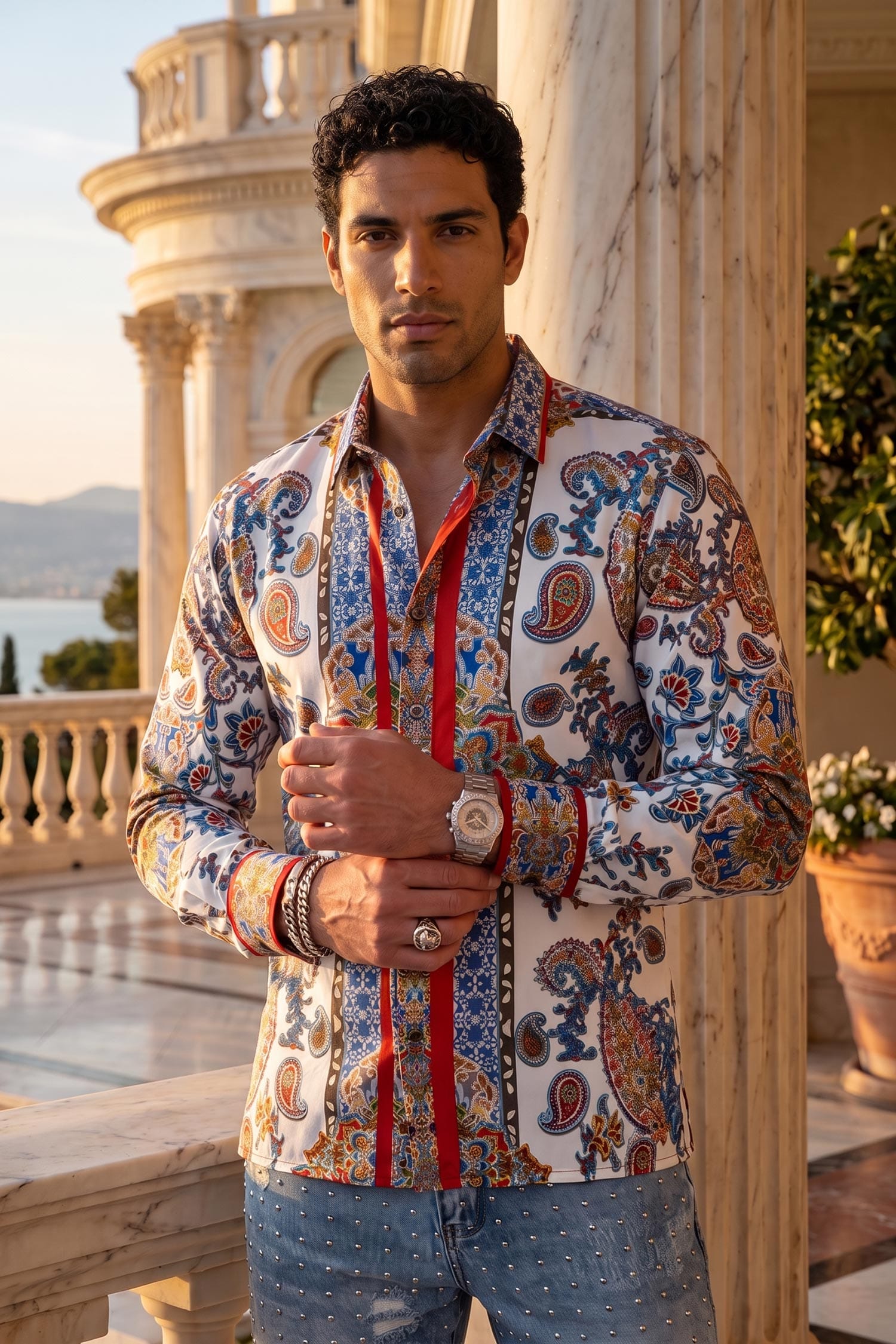
The BARABAS Boss Up Long Sleeve Shirt ($99) is a masterclass in base-layer design. It's slim-fit, lightweight cotton with a subtle floral-paisley print that reads as sophisticated rather than loud. The fabric drapes cleanly under sweaters and blazers without creating visible bunching. It's the kind of shirt that works as your foundation when you're layering full coverage, or visible when you want that poppy detail peeking from under a vest.
For a pure classic base, the BARABAS Sophisticated Long Sleeve Shirt ($79) delivers. French cuffs, velvet accents, and a tailored slim fit make this a versatile foundation that works for business-casual layering or dressier evening combinations. The quality construction means no shifting or wrinkling even when you layer three pieces on top.
The Middle Layer: Sweaters & Vests
The middle layer is where your layered look gets personality. This is typically a sweater, pullover, vest, or lightweight cardigan. This layer sits on top of your dress shirt and under your blazer or jacket. It does visual heavy lifting—it adds color, texture, and intentional styling.
Sweater Selection for Layering
For fall 2026, the best layering sweaters are turtlenecks and crew-neck knits in medium to heavy weight. Avoid oversized silhouettes. A true luxury sweater for layering fits your torso cleanly without excess fabric. When you button or zip a blazer over it, the overall silhouette should look sleek, not pillowy.
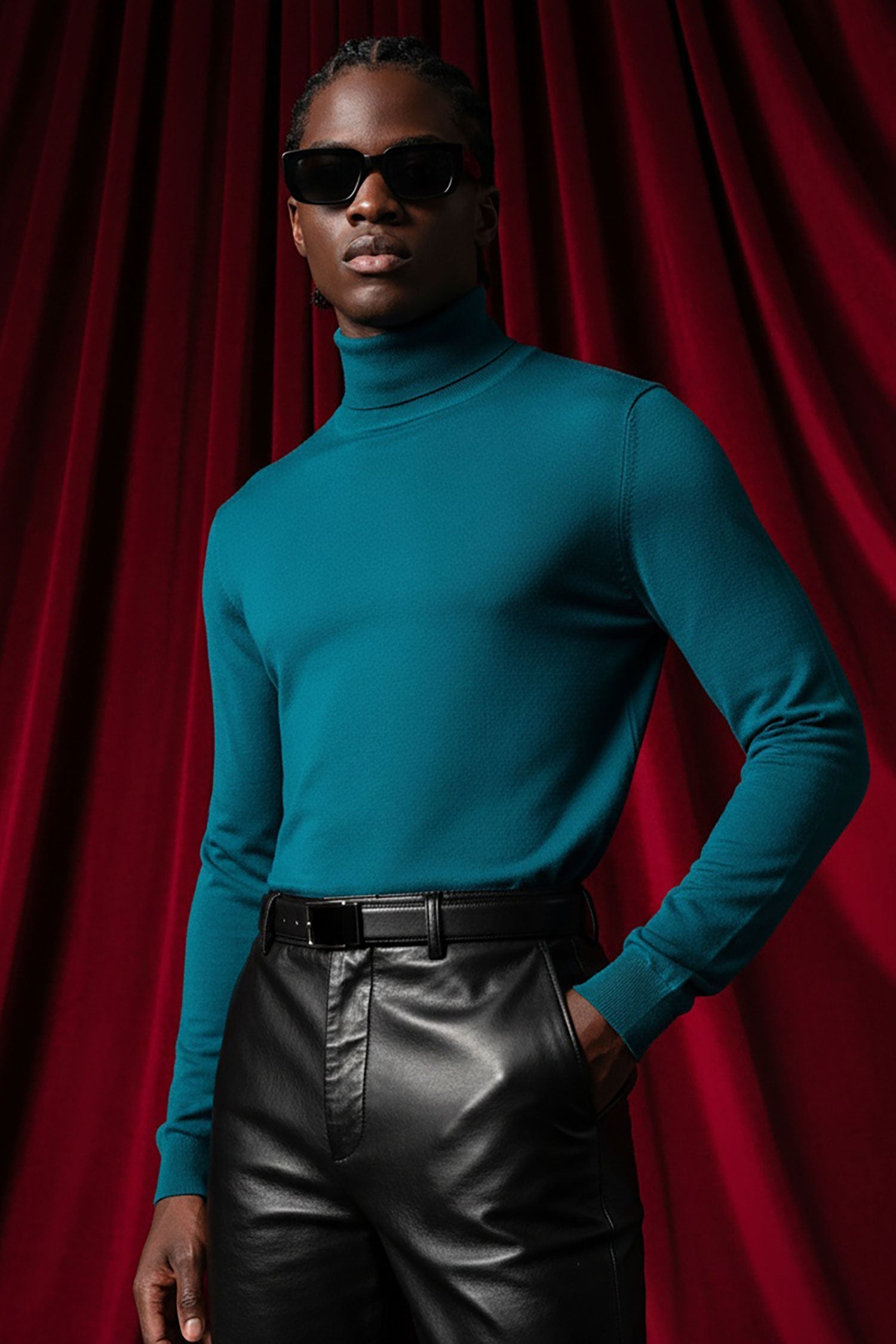
Turtlenecks are powerful layering pieces. They create a continuous visual line from your neck down, which elongates your frame. They also eliminate the need for a visible shirt collar, which keeps the look clean. The trade-off? Turtlenecks can feel hot if you're moving between warm and cool spaces throughout the day, but for evening events or fall-to-winter occasions, they're unbeatable.
The BARABAS Simple Life Turtleneck Ribbed Sweater ($49) is a steal for layering. Ribbed construction adds texture and prevents the sweater from clinging awkwardly under a blazer. Available in classic colors—black, navy, olive—this sweater pairs with almost any shirt and blazer combination. The fit is slim and true to size, which means it won't add bulk when layered.
For something with more visual interest, the BARABAS De Angelo Floral Turtleneck Sweater ($59) brings pattern without chaos. The all-over floral print is refined enough for business settings and bold enough to make a statement when peeking from under a neutral blazer. Pair this under a solid-colored blazer and watch people notice the detail.
Vests: The Secret Layering Weapon
Vests are underrated in men's fashion. A good vest creates structure and visual interest without adding significant bulk. It works especially well in fall, when you need extra warmth but haven't reached the heavy-coat season. Vests also work in spring, under a light blazer or jacket.
For luxury layering, choose vests that fit close to the body and feature intentional styling—plaid patterns, embroidery, or subtle shininess. Avoid oversized construction or stiff fabrics that don't move with your body.
The BARABAS Muntinlupa Plaid Rhinestone Vest ($23.99) is a game-changer. Black and metallic plaid with subtle rhinestone detailing, this vest adds serious visual pop to any outfit. Layer it over the Boss Up Shirt and under a simple blazer, and suddenly your whole ensemble has dimension. The fit is slim and the fabric is lightweight, so it doesn't compromise your silhouette.
The Outer Layer: Blazers & Jackets
Your outer layer anchors everything. A blazer gives structure, authority, and polish to a layered outfit. The best blazers for layering are slightly structured (not stiff), properly fitted (slim through the chest, tapered at the waist), and timeless in color (navy, charcoal, black, or statement hues like burgundy).
When choosing a blazer for layering, think about proportions. If your base shirt and middle layer already add volume, your blazer should be cleanly tailored—no oversized, boxy cuts. The blazer's job is to frame your layered outfit, not swallow it.
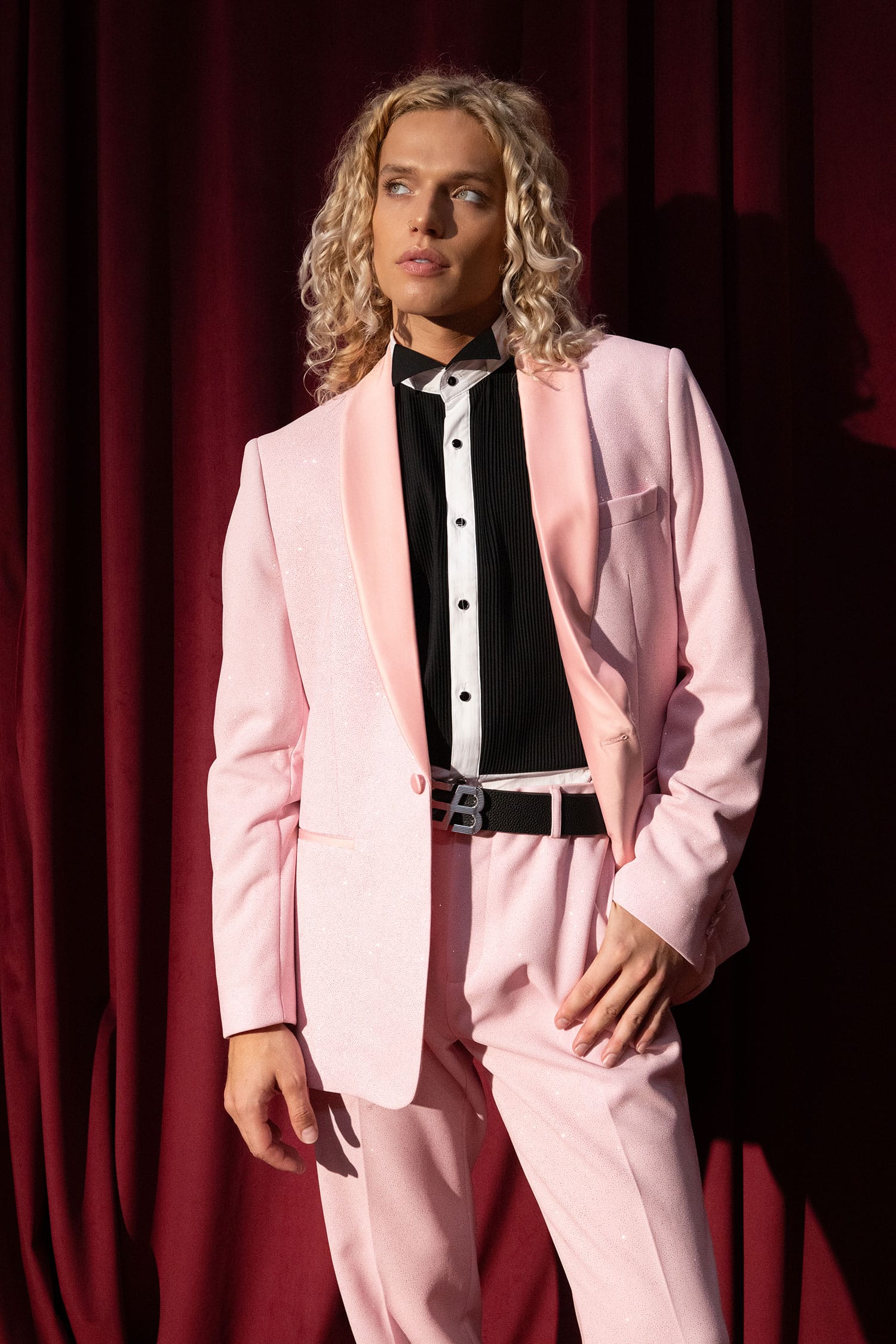
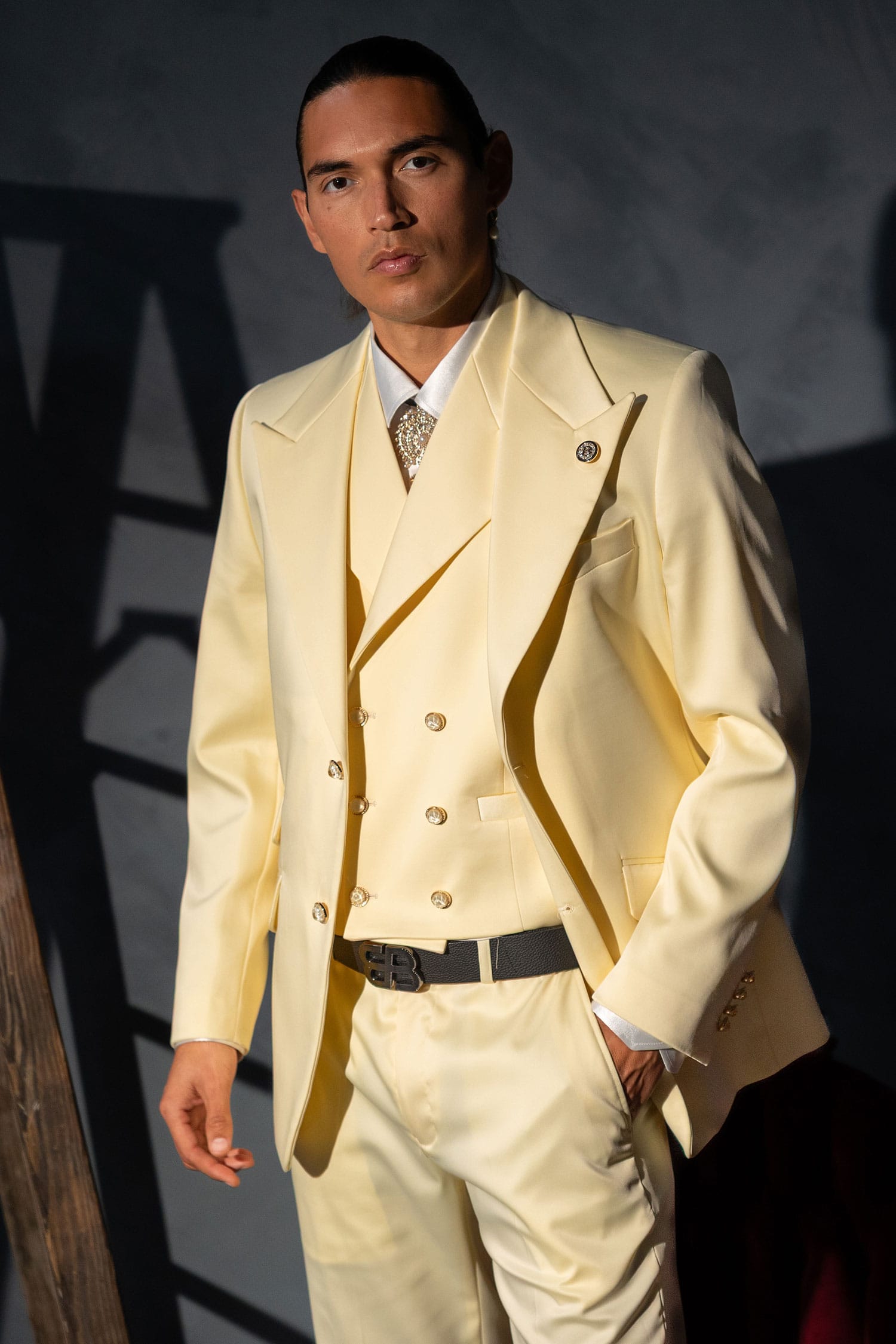
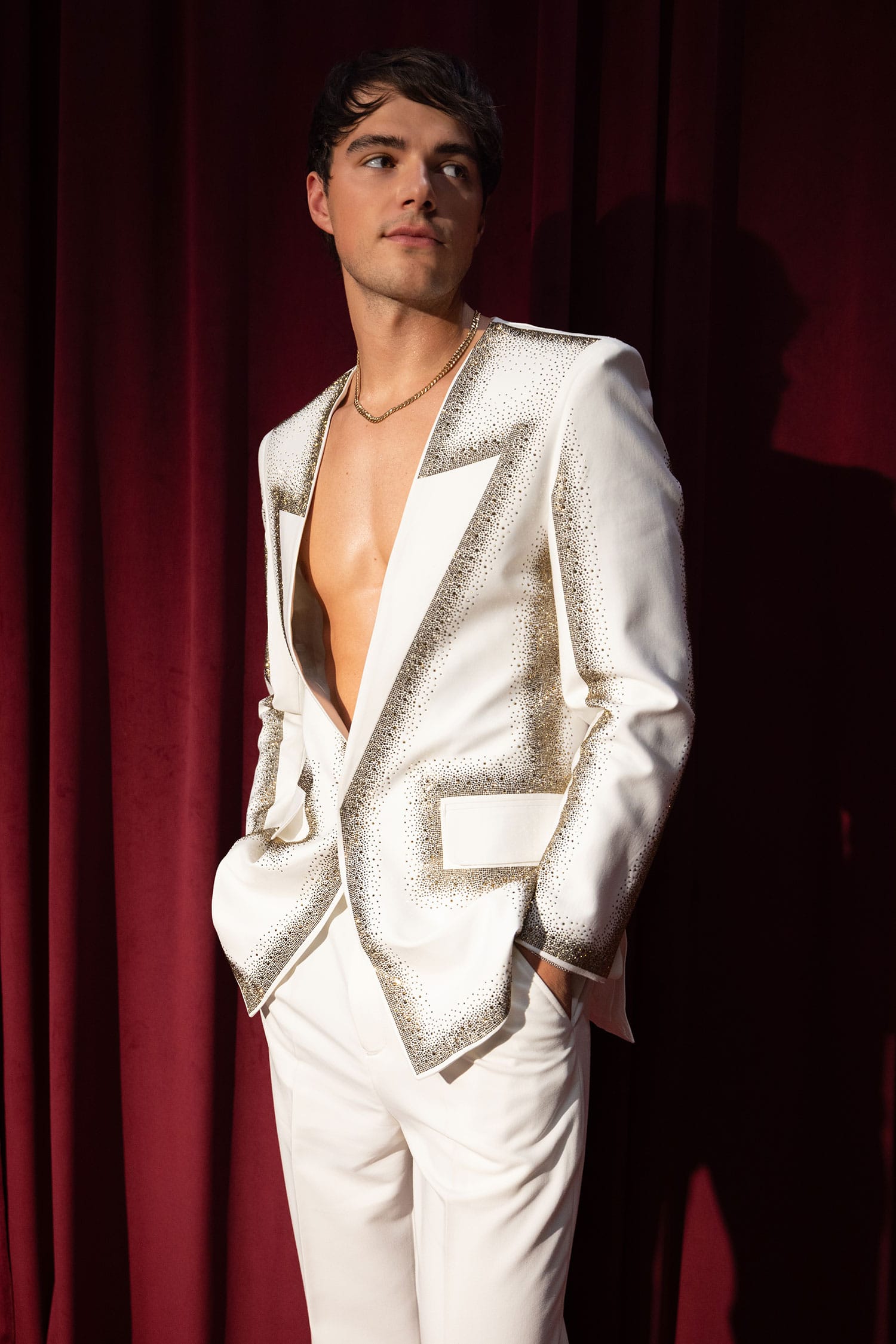
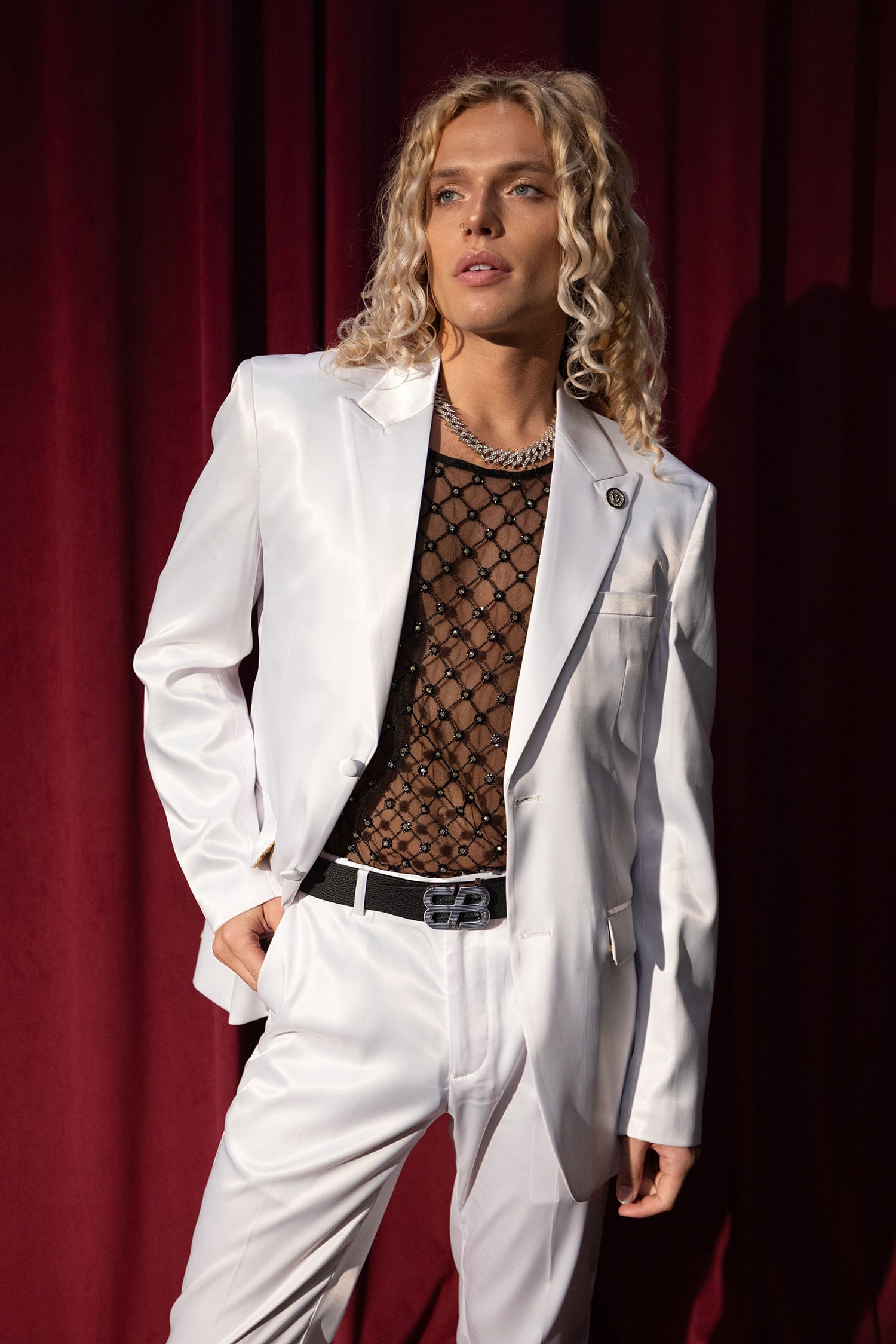
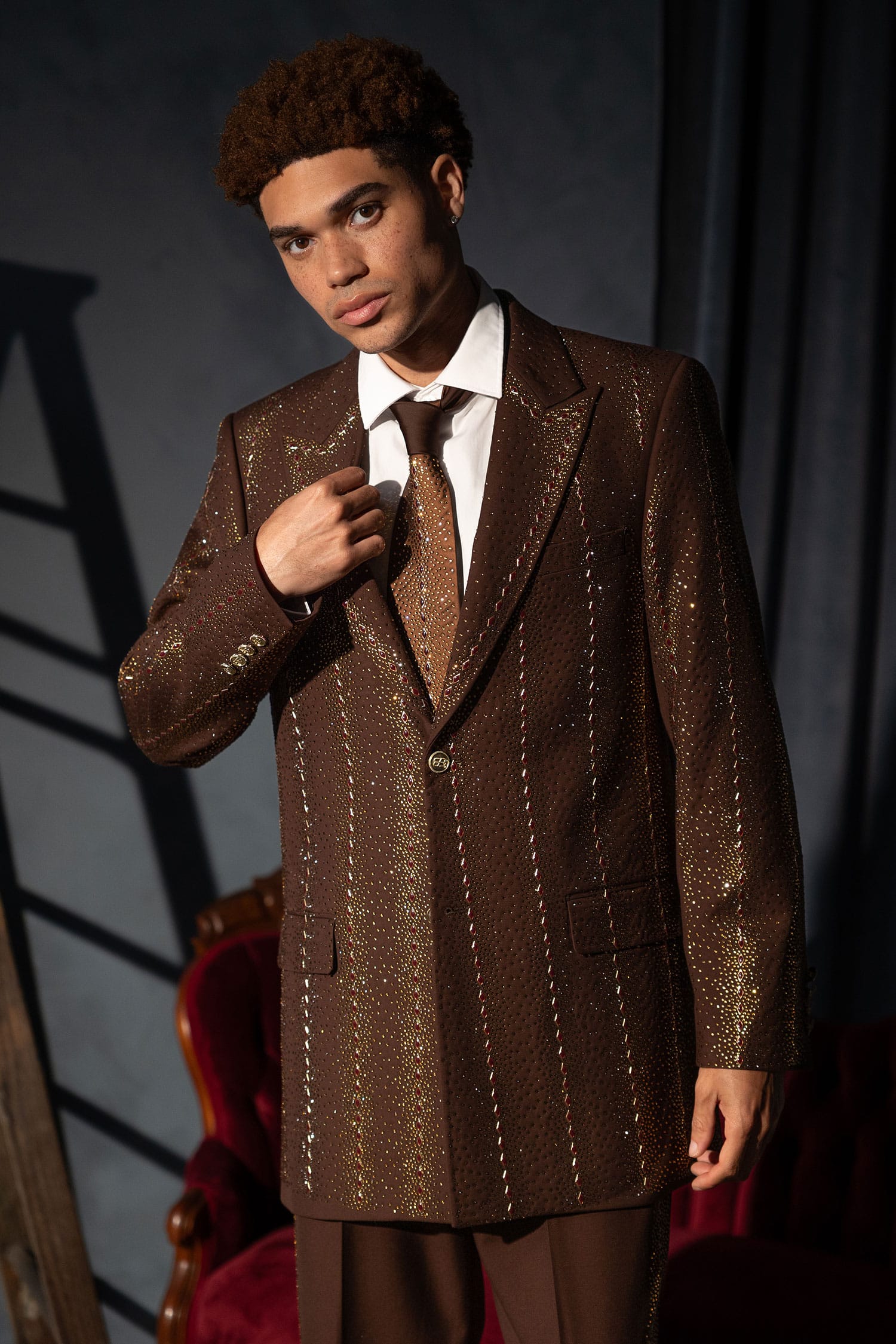
Explore the BARABAS Formal Wear collection, which includes blazers, sport coats, and dinner jackets engineered for layering. Premium fabrics, precise tailoring, and design details ensure that when you layer a dress shirt and sweater or vest underneath, the entire silhouette reads as intentional and sophisticated.
Color Strategy for Cohesive Layering
The biggest mistake in layering is color chaos. Too many competing colors make you look confused, not intentional. The best layered looks follow one of two strategies: monochromatic or complementary.
Monochromatic Layering
Monochromatic means staying within the same color family—black, charcoal, and navy; or navy, teal, and cobalt; or cream, tan, and caramel. This creates a seamless visual line from neck to toe, which elongates your frame and makes even a three-piece outfit look unified.
Example: Cream Boss Up Shirt + Navy Simple Life Turtleneck + Charcoal Blazer. All within the cool/neutral spectrum, zero visual confusion.
Complementary Layering
Complementary layering uses contrasting colors strategically. Typically, keep your base and outer layers neutral (white, black, navy, gray) and use your middle layer for color pop.
Example: White dress shirt + Burgundy turtleneck + Navy blazer. The burgundy middle layer pops, but the neutral base and blazer keep the overall look sophisticated.
Fit Secrets That Make Layering Work
Here's what separates intentional layering from accidental bulk: precision fit. Three things matter: sleeve length, chest fit, and length proportion.
Sleeve Length
When you layer, sleeves matter because multiple fabrics stack at the wrist. Your dress shirt sleeves should be 1/8 to 1/4 inch shorter than your blazer sleeves. This small gap prevents a bunched, sloppy look. Your sweater sleeves should sit cleanly without scrunching when you bend your arms. If a sweater's sleeves are too long, it pulls and creates bulk when you layer a blazer over it.
Chest Fit
Your dress shirt should fit your chest properly—snug but not tight. Add a medium-weight sweater on top, and the combined silhouette should still look streamlined. When you button a blazer, there should be no pulling or wrinkling. If there is, either your shirt is too large or your sweater is too heavy. This is why base-layer dress shirts are key—they keep bulk minimal.
Length Proportions
A layered outfit's proportions matter. Your dress shirt should not be dramatically longer than your sweater. Ideally, the shirt and sweater hem should be nearly level, or the shirt should peek just 1/8 to 1/4 inch below the sweater. Your blazer should always be the longest piece, hitting mid-hip or slightly longer. This creates a clean visual hierarchy.
Complete Buying Guide & Product Pairings
Here are proven layering combinations from BARABAS, complete with links and pricing.
| Occasion | Base Shirt | Middle Layer | Outer Layer | Total Investment |
|---|---|---|---|---|
| Business Casual | Sophisticated Dress Shirt ($79) | Simple Life Turtleneck ($49) | Navy or Charcoal Blazer from Formal Wear | $128+ (before blazer) |
| Date Night / Evening | Boss Up Shirt ($99) | De Angelo Floral Turtleneck ($59) | Statement Blazer or Black Blazer | $158+ (before blazer) |
| Elevated Casual | Boss Up Shirt ($99) | Muntinlupa Vest ($23.99) | Leather Jacket or Unstructured Blazer | $123+ (before jacket) |
| Weekend Smart Casual | Boss Up Shirt ($99) | Simple Life Turtleneck ($49) | Sport Coat or Cardigan | $148+ (before outer layer) |
Pro move: stock your basics first. A white, black, and navy dress shirt ($75-100 each), two neutral turtlenecks ($49-60 each), and one statement vest ($20-30) give you dozens of combinations. Add one quality blazer, and you have a wardrobe foundation that works for months.
Shop the full Long Sleeve Shirts collection, Vests collection, and Formal Wear collection for the full range of layering options.
5 Common Layering Mistakes (And How to Fix Them)
Mistake #1: Layering Heavy Fabrics
The Problem: Stacking a heavy cable-knit sweater over a thick cotton dress shirt, then adding a wool blazer, creates a puffed-up silhouette that reads as bulky, not polished.
The Fix: Use thin fabrics for base layers (lightweight cotton, fine merino) and reserve heavier knits for occasions where you're not adding a blazer. When you layer three or more pieces, prioritize lightweight materials.
Mistake #2: Ignoring Sleeve Length
The Problem: Long shirt sleeves stack with sweater sleeves, and then you add a blazer. Your wrists look like they're buried in fabric, and the overall silhouette screams "poor fit."
The Fix: Measure your sleeve proportions before layering. Shirt sleeves should be 1/8 to 1/4 inch shorter than blazer sleeves. This creates a visible "line" at the wrist that looks intentional and polished.
Mistake #3: Pairing Two Patterned Pieces
The Problem: A paisley shirt + a floral sweater + a geometric-print blazer creates visual chaos. Your outfit fights with itself.
The Fix: Use the "one pattern rule." Choose one piece with notable pattern (like the De Angelo Floral Turtleneck) and keep everything else solid or subtly textured. This gives you visual interest without confusion.
Mistake #4: Layering Oversized Pieces
The Problem: Oversized shirts, oversized sweaters, oversized blazers = an outfit that looks like you borrowed your father's wardrobe. Layering amplifies the bulk.
The Fix: Prioritize slim and tapered fits, especially for base and middle layers. Your outer blazer can be slightly roomy, but base and middle layers should fit your body cleanly.
Mistake #5: Using the Wrong Color Combinations
The Problem: Burgundy shirt + mustard sweater + navy blazer. Every color competes for attention, and the outfit looks scattered.
The Fix: Stick to monochromatic families or keep your base and outer layers neutral with one color statement in the middle layer. This creates visual coherence.
FAQ: Layering Questions Answered
How many layers is too many?
Three layers (dress shirt + sweater/vest + blazer) is the sweet spot. Four layers (add a jacket) works for cold weather, but six or more becomes costume-like. Stick to the "thin to thick" principle: base layer (thinnest), middle layer (medium), outer layer (thickest).
Can I layer a t-shirt under a dress shirt?
Only if the t-shirt is white, extremely thin, and fits your chest precisely. Better to start with a quality dress shirt that's designed to be a base layer. T-shirts under dress shirts often create visible bunching at the chest and shoulders.
What's the best fabric for layering sweaters?
Merino wool blends (merino + synthetic), fine cotton knits, and cashmere work beautifully. Avoid thick cable-knits and oversized constructions. For fall 2026, the trend is toward textured ribbed knits like the Simple Life Turtleneck—they add visual interest without bulk.
Should my dress shirt collar be visible when I'm fully layered?
Yes, ideally. A visible collar line (about 1/2 inch of shirt collar showing above your sweater) looks intentional. If nothing shows, your layers are too thick or your sizing is off. If too much shows, your sweater neckline is too small.
Can I layer with a cardigan instead of a blazer?
Absolutely. Cardigans work great for smart casual and elevated casual. Button only the middle button (or leave it open) for a streamlined look. Cardigan length should match or slightly exceed your blazer length—aim for mid-hip or longer.
What's the best occasion to layer?
Fall, winter, and spring (when temperatures fluctuate). Business settings, evening events, and weekend entertaining all benefit from layering. Summer is trickier—one light layer (like a linen shirt under a sport coat) works for evening, but daytime summer layering risks looking over-dressed.
How do I prevent wrinkling when I layer?
Use fabrics with 2-5% spandex content (like our dress shirts) and avoid heavy, creased fabrics in middle layers. Press your pieces before layering. Once dressed, move gently—layered outfits are more prone to wrinkling than single pieces, so avoid aggressive sitting or leaning back in chairs.
The Layering Mindset
Mastering layering is about thinking like a designer. Every piece has a job: base layers disappear. Middle layers add personality. Outer layers anchor and frame. When you understand these roles, you build outfits with intention instead of accident. You choose pieces that work together, not just pieces that are individually nice.
Start with the foundation. Invest in two or three quality dress shirts in white, black, and navy. Add neutral turtlenecks for middle-layer staples. Throw in one or two vests for versatility and visual pop. Buy one great blazer in charcoal or navy that fits your body precisely. From there, layering becomes intuitive.
This is how luxury menswear works. Not through trends or loud logos. Through precision, intention, and understanding how pieces interact. Layer like a pro, and people don't see the technique—they see confidence and sophistication.
Ready to layer? Browse the complete Long Sleeve Shirts collection, find your perfect Vests, and explore our Formal Wear selection to start building your layered wardrobe today.