
Men's Back-to-Office Fashion 2026: The Complete Guide to Transitional Dressing, Luxury Workwear & Fall Professional Style
Men's Back-to-Office Fashion 2026: The Complete Guide to Transitional Dressing, Luxury Workwear & Fall Professional Style
The summer office exodus is ending. Labor Day is almost here. And for millions of professional men across North America and Europe, that moment is arriving: the return to the office after weeks of flexibility, home working, and vacation mode. But 2026's back-to-office landscape looks nothing like the rigid dress codes of years past. The 9-to-5 has evolved into something more nuanced—comfortable yet polished, professional yet personal. The new standard is polished casual: dressing for success without sacrificing the comfort and ease that modern life demands.
Whether you're returning to a traditional office, a hybrid schedule, or navigating a business environment for the first time this fall, this guide will show you how to build a transitional wardrobe that bridges summer ease and autumn sophistication. We'll cover the fabrics, fits, and foundation pieces that define professional menswear in 2026, plus the specific styling strategies that separate confident professionals from everyone else in the room.
Table of Contents
- The Polished Casual Standard: What Professional Actually Means in 2026
- Fabric Foundations: The Materials That Keep You Professional All Day
- The Core Pieces: 5 Non-Negotiable Items Every Professional Needs
- Dress Code Decoder: Reading Your Workplace & Dressing Appropriately
- The Separates Strategy: Why Matching Suits Are Optional
- Color Strategy: Mastering Navy, Charcoal & Safe Sophistication
- The Fit Guide: Tapered, Tailored & Comfortable
- Buying Guide & Product Recommendations
- Common Back-to-Office Mistakes (& How to Avoid Them)
- Frequently Asked Questions
- Conclusion & Your Back-to-Office Action Plan
The Polished Casual Standard: What Professional Actually Means in 2026
For decades, "business professional" meant a rigid formula: matching two-piece suit, conservative tie, formal dress shoes, minimal personality. That era is over. The modern workplace—whether fully in-office or hybrid—has embraced what fashion professionals call polished casual.
Polished casual doesn't mean casual at all. It means looking intentional, put-together, and appropriate for your industry, while still feeling comfortable enough to spend eight hours in. It's about separates over full suits. It's about high-quality fabrics that breathe. It's about tailoring that creates shape without restriction. Most importantly, it's about projecting confidence through fit, not formality.
In 2026, professional menswear is built on three pillars:
- Comfort First: Stretch fabrics, breathable wool blends, and relaxed-but-tailored fits that don't feel restrictive
- Quality Over Matching: Premium separates (shirt + blazer + pants) that work together without being "a suit"
- Subtle Personality: Color, texture, and subtle pattern that signals refinement, not rigidity
Fabric Foundations: The Materials That Keep You Professional All Day
The fabrics you choose matter more than any single piece. Great fabrics do two things simultaneously: they look expensive and feel comfortable. Here's what professionals are wearing in fall 2026.
Tropical Wool & Fresco Weaves
Tropical wool and fresco are lightweight weaves engineered to breathe. They're ideal for professionals moving between air-conditioned offices and outdoor meetings. These fabrics maintain structure and polish without feeling heavy.
Soft Wool Blends with Stretch
Modern professional pants and jackets increasingly blend wool with 2-5% elastane or spandex. This stretch allows natural movement—sitting, bending, reaching—without distorting the silhouette. The wool still maintains its rich appearance; the stretch just makes it wearable for 10-hour workdays.
Performance Blends & Technical Fabrics
Some luxury workwear brands now use technical fabrics originally designed for performance sportswear. These resist wrinkles, manage moisture, and maintain their shape through constant wear. They're not obvious (they don't look athletic), but they perform like professionals who travel frequently depend on them.
Quality Cotton & Linen Blends
For dress shirts, premium cotton and linen-cotton blends offer breathability and a refined appearance. Avoid cheap cotton that wrinkles visibly by midday; invest in high thread-count or blended options that hold their structure.
The Core Pieces: 5 Non-Negotiable Items Every Professional Needs
Before shopping for a whole wardrobe, start with five foundation pieces. Everything else builds from these.
1. The Soft-Shouldered Blazer (Navy or Charcoal)
This is your most important piece. Look for:
- Soft, unstructured shoulders (not rigid, not droopy)
- Tapered fit through the torso (creates shape without tightness)
- Half-canvas or unlined construction (breathes, moves naturally)
- Notch or peak lapels (not shawl collar for traditional offices)
- Sleeve length that reaches your wrist bone with no gap
Price range: $200-$400 for quality that lasts years. This is not the place to cheap out. A premium matte-finish blazer in navy or charcoal will work with nearly everything in your wardrobe.
2. Two Quality Dress Pants (One Navy, One Charcoal)
These should be:
- Tapered or straight (never baggy; modern fit is slimmer than corporate suits from the 2000s)
- Fabric with 2-3% stretch for all-day comfort
- Flat-front (more modern than pleated)
- Hemmed to kiss the top of your shoe (not pool around your ankles, not flooding above the shoe)
Premium stretch dress pants in neutral colors ($60-$80 each) are your workhorses. Buy two pairs in different colors so you can alternate days (extending wear and lifespan).
3. Three Quality Dress Shirts (White, Light Blue, Subtle Pattern)
Your shirt is the visible foundation. Invest in:
- Premium cotton or cotton-blend (not cheap polyester that gets shiny)
- Slim or tapered fit (modern proportions)
- Collar that works with your face shape (spread collar is versatile; point collar is classic)
- Sleeve length that ends at your wrist bone
- Quality buttons that don't crack or chip
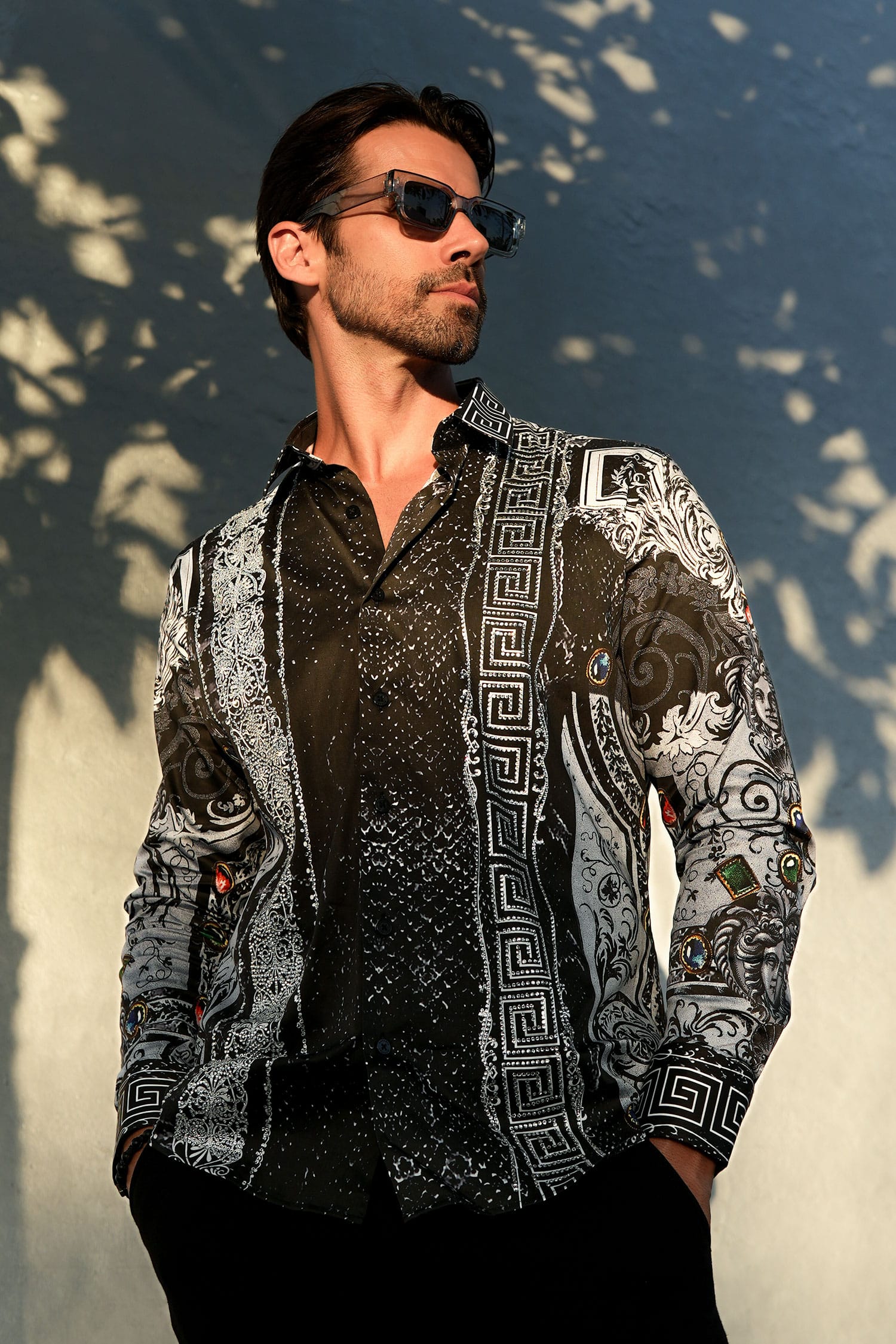
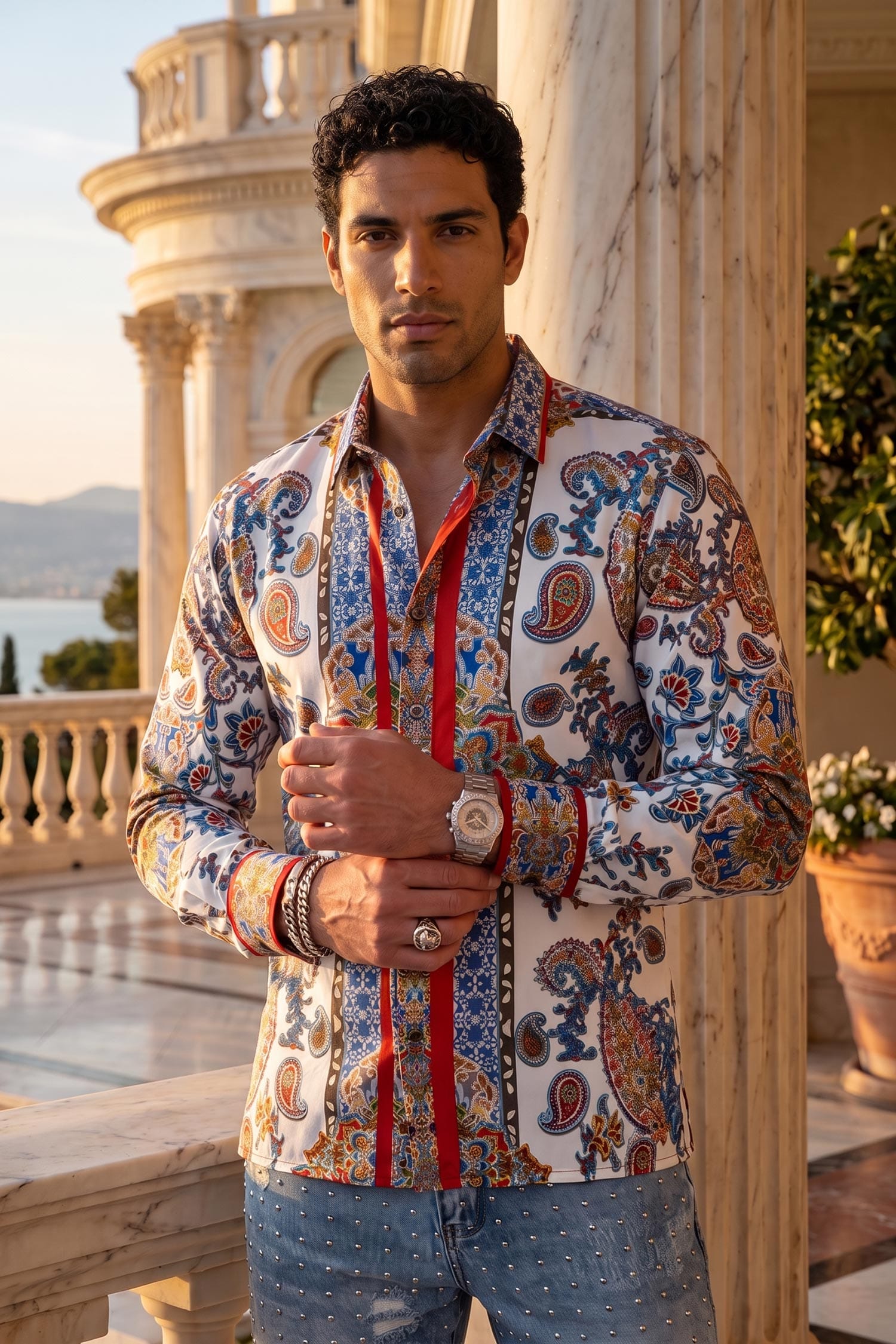
Your first three shirts should be foundational: crisp white, light blue, and one subtle patterned option like a refined baroque or geometric print. Avoid bold colors or prints until you're confident in your workplace culture.
4. Professional Footwear (Dark Leather)
Shoes communicate volumes. Choose:
- Dark leather (black or dark brown); no suede or fabric unless your office is very casual
- Oxfords, loafers, or derby styles (the workhorses of professional footwear)
- Quality leather that won't crack after three wears
- Properly sized (not too tight; one finger of space at the heel)
- A good polish and occasional conditioning
Refined tassel loafers or classic oxfords ($75-$120) are investments that last 5+ years with care. Don't wear sneakers to the office unless explicitly told it's acceptable.
5. One Premium Suit (For Meetings & Presentations)
You need at least one complete suit for high-stakes situations. This should feature:
- Slim or tapered fit (not oversized)
- Matching jacket and trousers in the same fabric
- Subtle solid color (black, navy, charcoal, or deep grey)
- Quality construction and proper tailoring to your measurements
A tailored slim-fit suit ($250-$350) will handle client pitches, presentations, and important meetings. Don't wear it casually; preserve it for moments when formality genuinely matters.
Dress Code Decoder: Reading Your Workplace & Dressing Appropriately
Workplace dress codes vary wildly in 2026. Here's how to navigate them without overthinking.
Formal / Business Formal
Think: law firms, financial services, government. In these environments, wear your complete suit with a matching blazer and trousers, a high-quality dress shirt, and formal shoes. Ties are usually expected; ask if uncertain.
Business Professional / Smart Casual
This is the most common setting in 2026. Wear blazer + dress pants + quality shirt without a tie. Your blazer doesn't have to match your pants. Loafers or oxfords are standard; sneakers are usually not appropriate.
Business Casual / Elevated Casual
Some modern offices blur the line. In these, dark dress pants or khakis with a quality button-down shirt (blazer optional) work. Dark denim is often acceptable here. Polished casual footwear (including some professional sneakers) may be fine.
Casual / Creative
Startups, creative agencies, tech companies. Dark jeans, quality shirts, and sneakers might all be acceptable. Even here, your intent matters: wear clean, well-fitted clothes in neutral colors, not athletic wear.
When in doubt, ask your hiring manager or HR contact directly. This single question prevents weeks of misalignment.
The Separates Strategy: Why Matching Suits Are Optional
One of 2026's biggest shifts is the rise of separates. Professional men are increasingly wearing a navy blazer with charcoal pants, or a charcoal jacket with grey trousers, rather than buying full "matching" suits.
This approach is smarter for several reasons:
Flexibility
A navy blazer works with nearly every trouser color. Once you own one good blazer, you can pair it with multiple pants, multiplying your outfit options without multiplying your spending.
Rotation & Durability
When one piece wears out (jackets take years; trousers take less time due to constant sitting), you replace only that piece, not the entire suit. This saves money and reduces waste.
Authentic Professional Look
Matching suits can look costume-y. Separates look intentional and sophisticated, which is exactly how modern professionals want to appear.
Ease of Tailoring
A blazer and pants can be tailored independently. If your blazer needs hemming but your pants fit perfectly, tailor just the blazer. With matching suits, alterations become complicated.
The separates formula that works: Start with one quality navy blazer and one charcoal blazer. Own three pairs of trousers in navy, charcoal, and medium grey. Mix and match freely.
Color Strategy: Mastering Navy, Charcoal & Safe Sophistication
Professional menswear in 2026 still relies heavily on neutral colors, but neutrality has expanded.
The Foundational Neutrals
- Navy: The safest, most versatile professional color. Works in any industry.
- Charcoal: Sophisticated, slightly less common than navy (which gives it edge).
- Medium Grey: Lighter than charcoal, works well in summer-to-fall transitions.
- Black: Reserve for formal events and evening wear; too stark for daytime offices.
Secondary Colors (Use Sparingly)
Once you have navy and charcoal basics, subtle additions add personality:
- Soft pastels in shirts: Light blue, pale pink, or soft grey are acceptable in business professional environments.
- Deep jewel tones: Burgundy or deep green in subtle patterns or textures (not solids) add sophistication.
- Earth tones in blazers: Taupe or camel blazers (rare but striking) work with grey or navy pants.
Pattern & Texture
Avoid bold, busy prints. Instead, opt for:
- Subtle geometric patterns (Greek key, subtle paisley)
- Fine herringbone or houndstooth textures
- Thin vertical stripes
- Solid textures (subtle sheen, matte finish)
Patterns should be barely noticeable from a distance; they're details, not statements.
The Fit Guide: Tapered, Tailored & Comfortable
Fit is more important than brand. Here's what to look for.
Blazer Fit
- Shoulders: Seam sits right at the edge of your shoulder (not past it, not before it)
- Chest: Buttoned, there should be a fist's width of space inside (can fit one fist comfortably between button and your chest)
- Waist: Tapered (creates shape) but not tight
- Length: Covers your rear completely; bottom button should hit mid-hand when arms at rest
- Sleeves: Reach your wrist bone; show 0.5 inches of shirt cuff
Trouser Fit
- Waist: Sits at your true waist (hip bone area); when buttoned, no pulling or gapping
- Rise: Modern trousers have a lower rise than vintage suits; aim for 9-11 inches from crotch to waistband
- Thigh: Tapered but not tight; can fit two fingers inside the fabric
- Inseam: Breaks gently at your shoe; cuff sits on top of the shoe when standing
- Cuff: A 1.5-inch break is modern and polished
Shirt Fit
- Collar: Closing the top button is comfortable (not choking, not gaping)
- Chest: Tapered (not billowing); shows your shape without clinging
- Sleeves: End at your wrist bone; not bunching at the elbow, not cutting short
- Length: Stays tucked through the day; reaches your hip bone
Buying Guide & Product Recommendations
To build a complete back-to-office wardrobe without overspending, start with these essentials from BARABAS:
| Item | Product | Price | Why It Works |
|---|---|---|---|
| Dress Pants | Privilege Pants (Navy) | $69 | Stretch chino blend, tapered fit, all-day comfort, classic color |
| Dress Pants | Grandiose Estile Pants (Charcoal) | $79.99 | Glossy luxury feel, slim fit, premium construction |
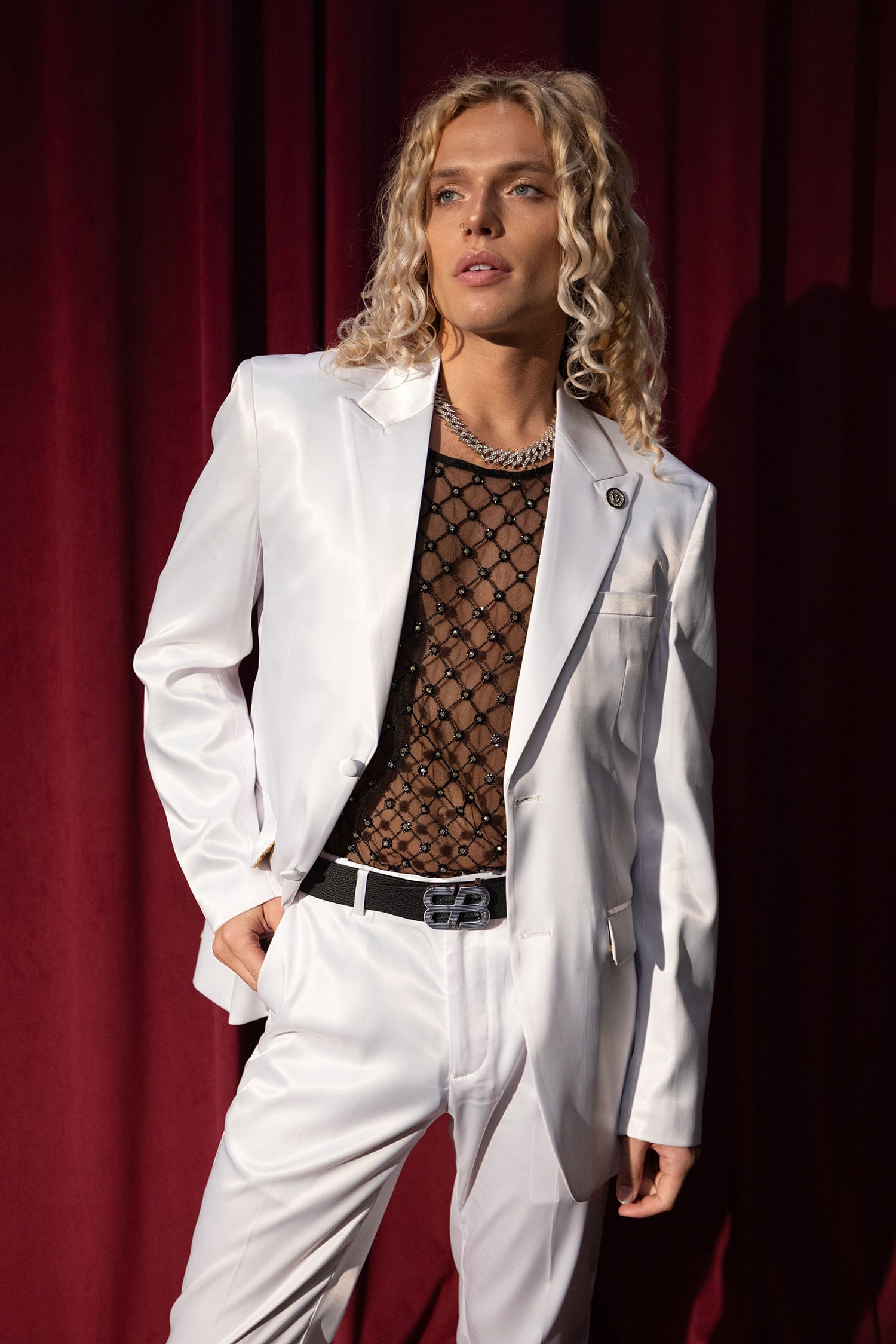
| Dress Shirt | Lust For Life Satin Shirt | $69 | Metallic satin, subtle sheen, slim fit, versatile colors |
| Dress Shirt | Meandro Borders Long Sleeve | $109 | Refined baroque detailing, slim fit, investment piece |
| Shoes | When In Rome Tassel Loafers | $79 | Classic style, dark leather, refined details |
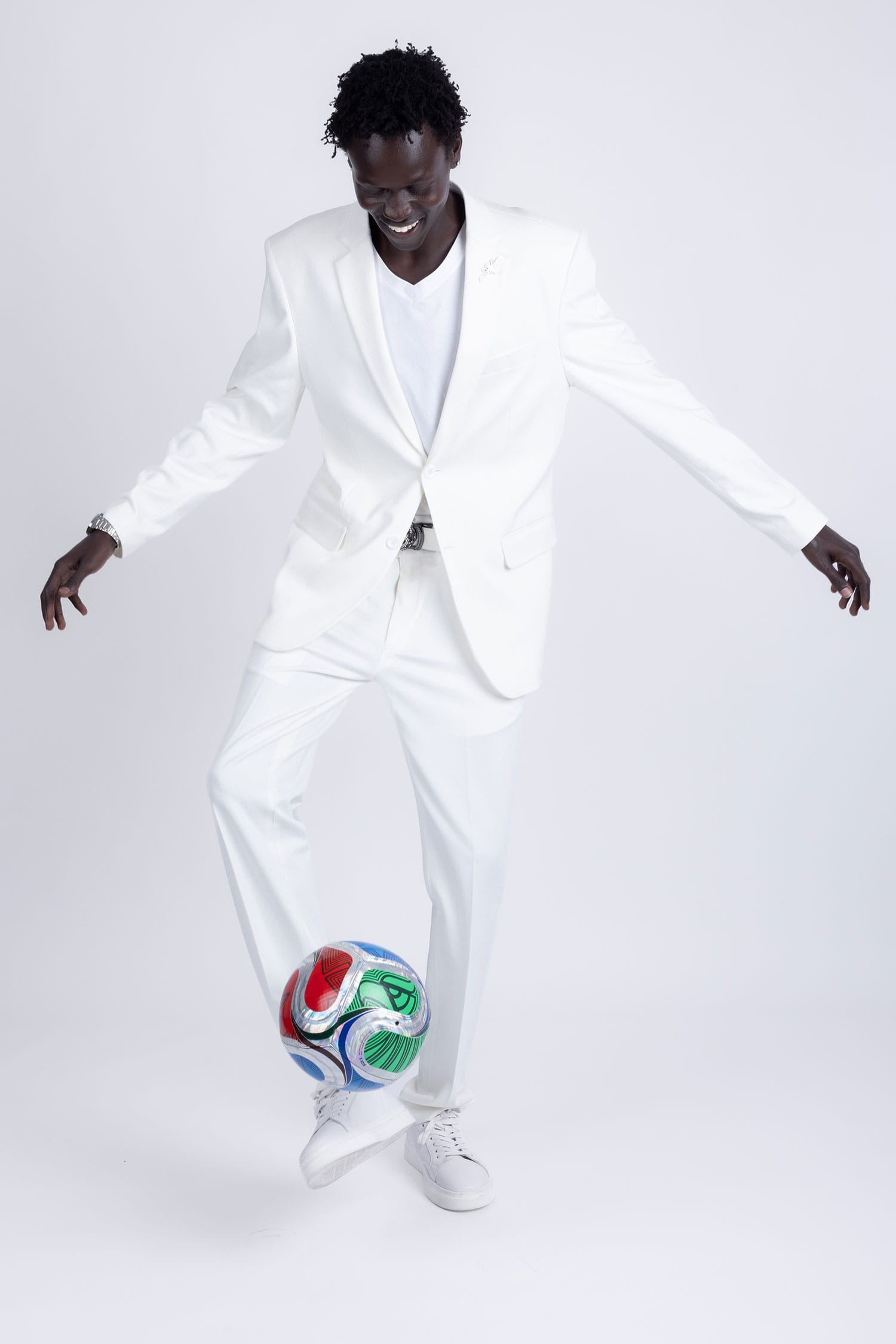
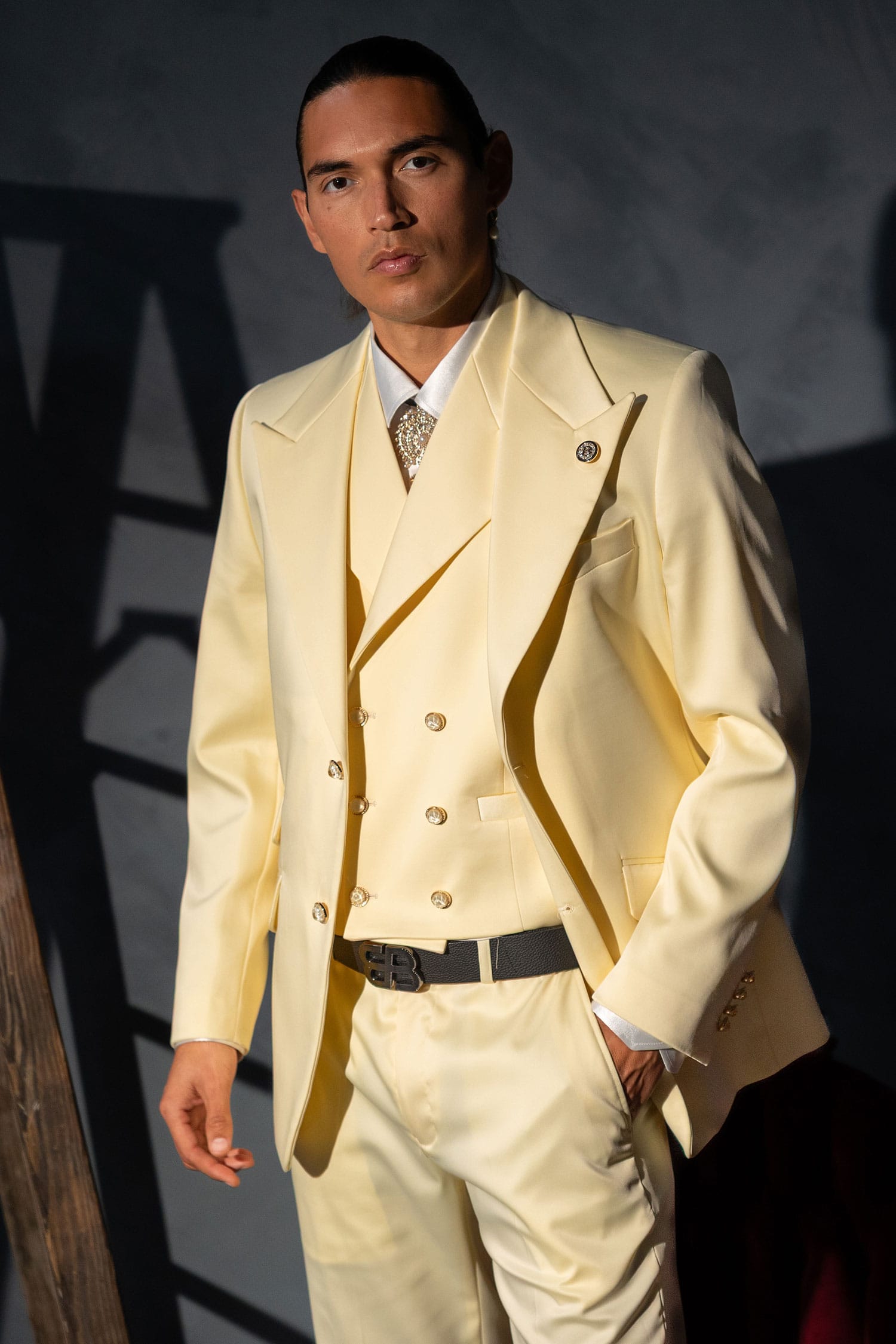
| Suit (Optional) | Vadim Tuxedo Suit | $279 | Slim fit, shawl lapel, complete three-piece set |
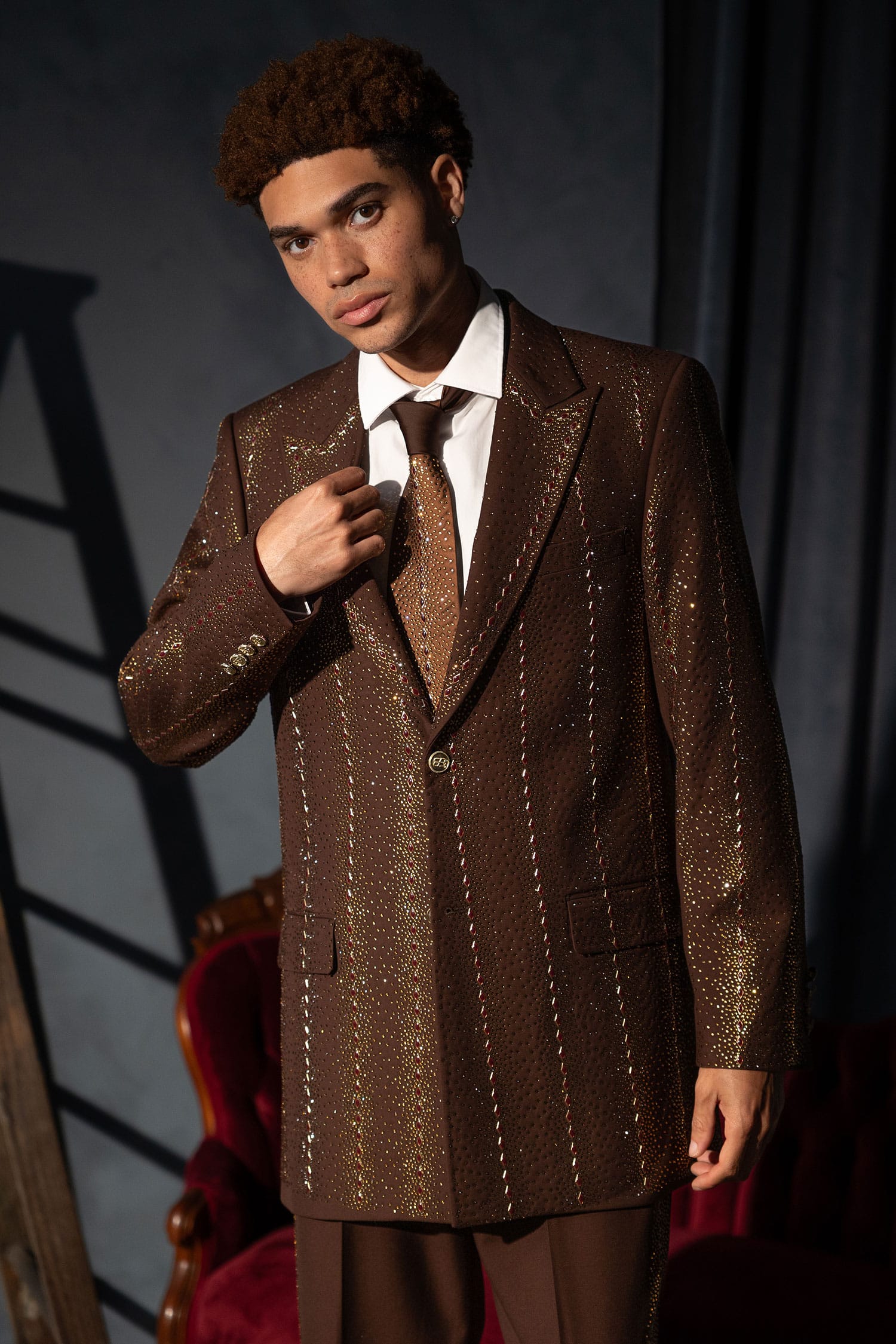
| Suit (Optional) | Abbey Matte Suit (Striped) | $199 | Regular fit, matte finish, geometric pattern, value option |
Budget strategy: Spend $400-$600 on your first back-to-office investment. Buy two pairs of quality pants ($140), two good dress shirts ($140), one blazer ($200), and one pair of professional shoes ($80). This covers 5+ complete outfits with simple mixing.
Common Back-to-Office Mistakes (& How to Avoid Them)
Mistake #1: Wearing Summer Clothes to Fall
Don't show up in shorts, t-shirts, or ultralight fabrics. Transition to long sleeves, structured fabrics, and closed-toe shoes. You don't need heavy coats yet (it's late August), but move away from pure summer wear.
Mistake #2: Oversized "Comfort" Fits
Comfort doesn't mean baggy. Modern comfort comes from stretch fabrics and tailored fits, not oversizing. Baggy clothes read as sloppy, not comfortable.
Mistake #3: Mixing Formal & Casual Randomly
Don't pair formal trousers with casual sneakers, or casual chinos with a full suit. Match the formality level: casual with casual, professional with professional.
Mistake #4: Wearing Visible Athleisure
Gym clothes don't belong in the office. That includes athletic sneakers, athletic jackets, and performance fabrics that look sporty. Professional sneakers are fine; gym shoes are not.
Mistake #5: Ignoring Grooming & Maintenance
Clothes matter, but so does appearance. Keep clothes pressed, shoes polished, and yourself clean. A $300 suit with wrinkles reads as unprofessional; a $100 shirt perfectly pressed reads as intentional.
Mistake #6: Arriving Without a Backup Plan
Keep an extra shirt, tie, and dress shoes in your desk or car. Unexpected spills, weather, or last-minute meetings happen. Be prepared.
Frequently Asked Questions
Can I wear sneakers to the office in 2026?
Only if your workplace explicitly allows "casual" or "business casual" dress codes. Tech, creative, and startup environments increasingly allow professional sneakers (clean, minimal design, dark colors). Traditional corporate offices typically do not. Ask HR if you're unsure—it's always appropriate to clarify.
Is dark denim professional enough?
In business casual or smart casual environments, dark denim (raw indigo or washed dark) is now widely accepted, especially when paired with a blazer and formal shoes. In business professional or formal offices, stick to traditional trousers. Denim still reads as casual, even when dark.
Do I need a complete suit or can I wear separates?
Separates are increasingly the norm. A quality blazer + quality trousers (even in different colors) is professional and flexible. However, keep at least one complete suit for high-stakes situations: client presentations, important meetings, or formal company events.
What's the best color for a first blazer?
Navy. It's versatile, universally professional, pairs with nearly every trouser color, and works in every industry. Once you have navy, charcoal is your next purchase.
How many pairs of dress pants do I really need?
Start with two (navy and charcoal), giving you 10+ outfit combinations when paired with different shirts and blazers. As your wardrobe grows, add medium grey. Five pairs total is ideal for professional rotation.
Should I wear a tie?
Ties are now optional in most business professional environments (except finance, law, and formal events). Assess your workplace: if your manager or colleagues wear ties, follow their lead. If nobody does, you probably don't need one. A blazer without a tie reads as modern and professional in 2026.
What if I work from home part-time?
Invest in your in-office wardrobe first. Professional clothes for days you're present matter more than home-office wear. Buy quality pieces you'll actually wear, not aspirational items.
How do I transition my summer wardrobe for fall?
Swap linen shirts for cotton-blend dress shirts. Replace shorts with trousers. Layer blazers over short-sleeve shirts as temperatures drop. Move from sandals to loafers. The core formula (shirt + pants + blazer) stays the same; just use heavier fabrics and longer sleeves.
Conclusion & Your Back-to-Office Action Plan
Going back to the office doesn't mean abandoning the comfort you've discovered over summer. It means dressing intentionally—choosing quality basics, trusting that professional dressing has evolved into something more human and flexible, and recognizing that confidence matters more than conformity.
Your first week back: Wear your best complete outfit (new blazer + new pants + new shirt) on day one. This sets your tone and your confidence. Then mix and match throughout the week, discovering combinations as your wardrobe settles in.
Your 30-day investment: By the end of your first month, you should have two pairs of quality dress pants, three good dress shirts, at least one blazer, and professional shoes. This foundation supports 15+ distinct outfits. Everything else builds from here.
The men who succeed professionally in 2026 aren't those who follow outdated dress codes most rigidly. They're the ones who understand their workplace culture, dress appropriately without sacrificing comfort, and focus on quality over quantity. Start there. Explore our complete professional suiting collection to find the pieces that work for your style and body.
Welcome back to the office. Now go show them what you're made of.
Related Articles:
- The New Business Casual: Luxury Men's Elevated Workwear & Office Fashion for Fall 2026
- Men's Luxury Silk Dress Shirts: The Complete 2026 Guide to Elegance, Care & Styling
- Men's Designer Dress Shoes: The Complete 2026 Buying, Styling & Professional Wear Guide
- Men's Formal Accessories: The Complete 2026 Guide to Designer Belts, Bow Ties & Statement Style