
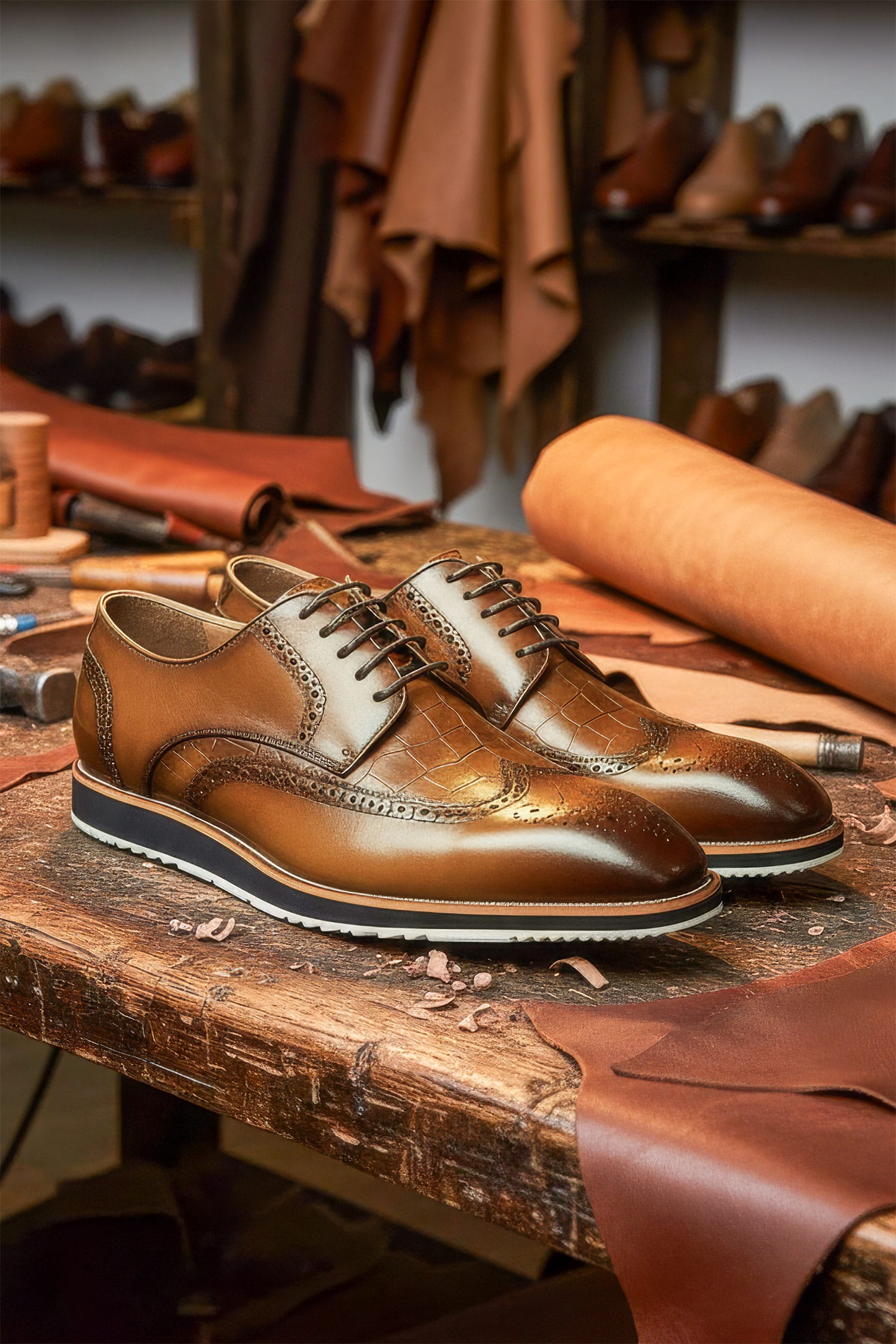
Men's Fall Boots & Luxury Footwear: The Complete 2026 Buying, Styling & Care Guide
Men's Fall Boots & Luxury Footwear: The Complete 2026 Buying, Styling & Care Guide
As the leaves turn and temperatures drop, your wardrobe deserves an upgrade—and nothing signals sophistication like a pair of premium fall boots. Whether you're dressing for the boardroom, a weekend retreat, or a night out, the right boots anchor your entire look and elevate every outfit into statement territory. This season, fall boots aren't just functional—they're a declaration of style.
At BARABAS, we understand that luxury footwear is about more than aesthetics. It's about the feeling of stepping into a room with confidence. The weight of the leather, the precision of the craft, the way a well-made boot moves with your body—these details matter. This guide walks you through everything you need to know to invest in boots that'll define your fall style and last for years.
Table of Contents
- The Essential Fall Boot Types
- Understanding Materials & Craftsmanship
- Styling Your Fall Boots
- Fit & Sizing
- Luxury Boot Buying Guide
- Boot Care & Maintenance
- Common Boot Mistakes
- Frequently Asked Questions
- Conclusion & Your Next Step
The Essential Fall Boot Types for 2026
Chelsea Boots: The Modern Workhorse
The Chelsea boot remains the gold standard of transitional footwear. Originating in 1850s London, this slip-on design features elastic side panels and a clean, minimalist silhouette that works with everything from raw denim to wool trousers to formal suits. Fall 2026 celebrates the refined Chelsea in its purest form—sleek, understated, and impossibly versatile.
Chelsea boots excel because they bridge formal and casual seamlessly. Wear them to the office with tailored dress pants, or pair them with dark jeans and a suede western blazer for weekend elegance. Suede Chelsea boots in camel, charcoal, or sand are particularly strong this season, developing unique patina with wear that signals quality and care.
Best for: Daily wear, professional environments, elevated casual occasions, travel
Styling tip: Let the boot shine—pair with slim or straight-leg trousers that taper just above the ankle. Avoid bunching fabric at the cuff.
Oxford & Derby Dress Boots
For the man who demands structure and formality, Oxford and Derby boots deliver. These lace-up styles command authority and sophistication. Oxford boots feature a closed lacing system (more formal), while Derbies have an open lacing system that sits slightly looser. Both work beautifully for fall's dressier occasions—business dinners, galas, upscale restaurant reservations.
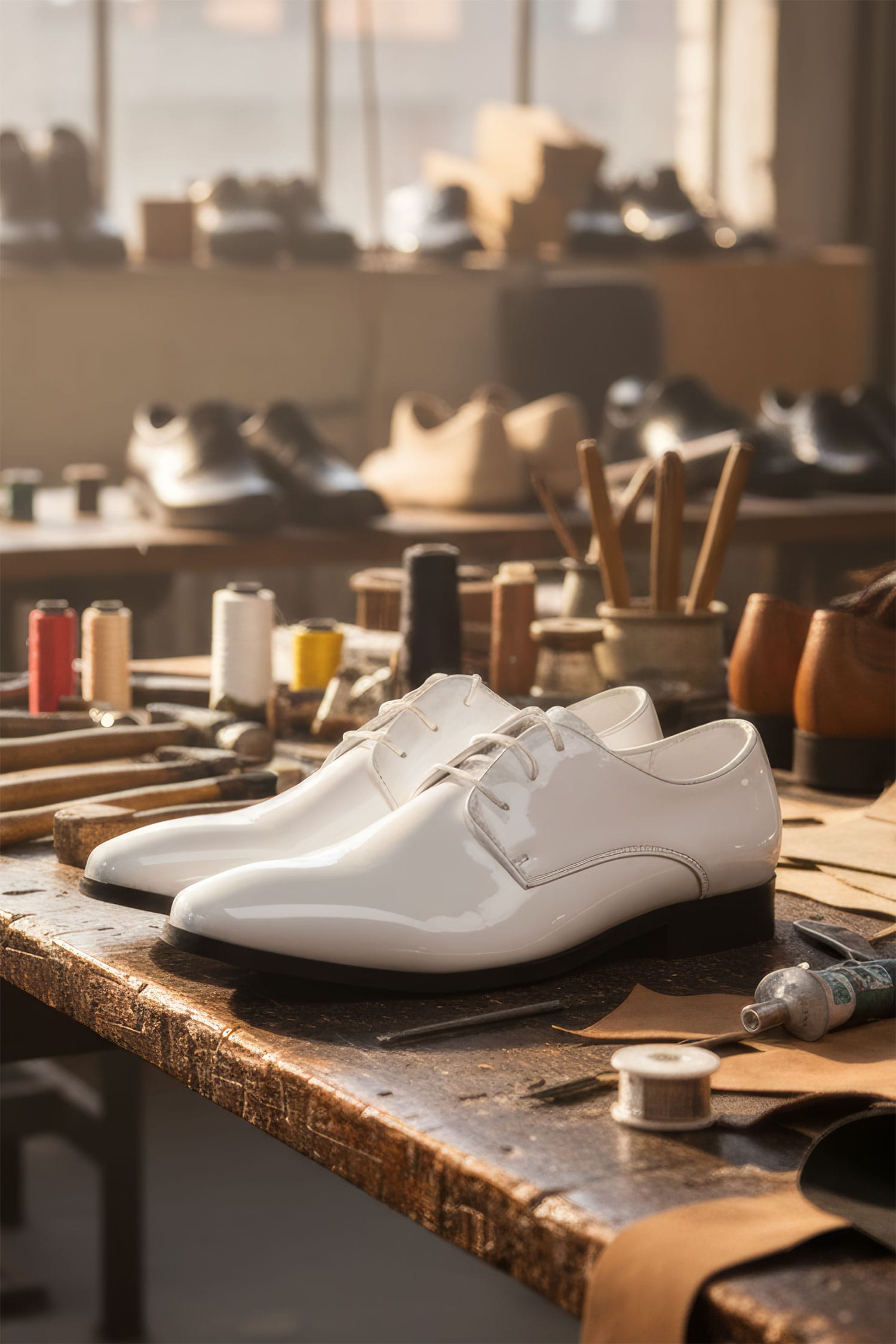
The Lima Leather Brogue Dress Shoes exemplify this category's precision. Crafted with leather uppers and featuring refined brogue detailing, they work under tailored suits and pair with the Elysian Classic Pants for an office-ready ensemble. The textured leather develops character over seasons, becoming a conversation piece in itself.
Best for: Formal events, business wear, wedding attendance, evening occasions
Styling tip: Dress Oxfords and Derbies demand polished presentation. Keep the leather buffed, pair with premium dress socks that match your trousers, and ensure your cuffs break just at the top of the heel.
Suede Dress Boots: Softness with Edge
Suede boots introduce texture and warmth to fall's color palette. Unlike leather's mirror shine, suede whispers sophistication through its velvety surface. Suede dress boots work brilliantly in transitional seasons because they feel less formal than polished leather yet more refined than casual footwear.
The Vancouver Suede Dress Shoes showcase how suede transitions into evening wear. Paired with velvet dress pants or wool trousers, these create an outfit that signals confidence and intentional style-building. Suede thrives in camel, grey, and navy—colors that anchor fall's refined palette.
Best for: Date nights, upscale casual, creative professional environments, elevated weekend wear
Styling tip: Suede requires gentle care (more on this below), but the payoff is immense. Brush regularly to maintain nap, and use a suede protector spray to guard against moisture and stains.
Western & Heritage-Inspired Boots
2026 sees heritage styles reimagined with contemporary twists. Western boots—characterized by stacked heels, wider toe boxes, and rich leather—bring LA fashion's bold energy to fall. These aren't costume pieces; they're investment footwear that demands confidence to wear. Pair a heritage western boot with straight-leg jeans and a suede western blazer like the Pureline Suede Western Blazer for a look that honors tradition while staying undeniably modern.
The beauty of western boots lies in their storytelling. Full-grain leather develops unique character marks—scuffs, creases, color variations—that prove authenticity and create one-of-a-kind pieces.
Best for: Casual to smart-casual, weekend adventures, creative expression, statement occasions
Styling tip: Balance western boots' boldness with refined basics. Avoid overly trendy pieces; let the boots be the focal point. Straight or bootcut jeans work best—avoid slim fits that cut off the boot's visual presence.
Understanding Materials & Craftsmanship
Full-Grain Leather: The Gold Standard
Full-grain leather represents the pinnacle of footwear craftsmanship. This is leather in its most complete form—the entire hide, including natural markings, scars, and variations, remains intact. Full-grain leather is more durable than split or corrected grains because the fibers haven't been tampered with or separated.
What does this mean for you? Full-grain boots improve with age. They develop a patina that tells your story—the crease where your foot bends, the color deepening from wear and sunlight exposure. A quality full-grain leather boot at 30 looks exponentially better than a new synthetic boot at the same price point. Investment pieces like our Lima Leather Brogue Dress Shoes are constructed from premium full-grain leather because they're meant to last decades.
What to look for: Visible grain patterns, natural variations in color, substantial weight, and visible stitching that shows construction quality.
Calfskin: Luxury Refinement
Calfskin offers a smoother, more uniform surface than full-grain leather while maintaining durability. It's prized for dress boots because it holds a shine beautifully and feels softer against the foot. Calfskin lacks the character development of full-grain leather but requires less maintenance and looks instantly polished.
When to choose calfskin: For pieces where visual refinement matters most—formal Oxford boots, high-stakes professional environments, evening wear.
Suede: Texture & Sophistication
Suede comes from the underside of leather, creating that distinctive velvety nap. It's softer, more breathable, and visually warmer than polished leather—perfect for fall. However, suede requires dedicated maintenance. It's susceptible to water damage, staining, and matting if neglected. That said, the payoff—a boot that feels luxurious underfoot and looks intentionally refined—is worth the care commitment.
Best suede colors for fall: Camel, taupe, grey, chocolate brown, charcoal. These anchor your fall wardrobe while developing beautiful patina with wear.
Styling Your Fall Boots for Every Occasion
Business & Professional Styling
In the office, boots signal intentionality. Pair dress boots or Chelsea boots with tailored trousers—the Elysian Classic Pants strike the perfect balance of polish and comfort. The trouser should break just at the top of your heel, creating a clean line that elongates the leg and showcases the boot's silhouette.
Shoe color should match or coordinate with your suit's undertones. A charcoal suit with charcoal boots creates a cohesive, elongated line. Navy suits shine with black or deep burgundy boots. Brown or tan suits pop with camel or tan Chelsea boots in suede.
Layer with a formal blazer and structured tie like the Slinket Rhinestone Necktie (for creative fields) for full polish. Finish with a belt that coordinates—leather, refined, matching your boot color or one shade lighter.
Elevated Casual & Weekend Style
Boots unlock casual style that feels intentional. Dark jeans in a straight or bootcut silhouette paired with Chelsea boots in suede create an outfit that feels effortless yet refined. Layer with an overshirt or lightweight sweater; the Jackets & Coats collection offers perfect transitional pieces for fall.
The key to elevated casual? Avoid head-to-toe trendiness. Let the boots anchor the outfit. Stick with neutral, high-quality basics and add one textural element—a suede blazer, a wool sweater, leather accents on a belt.
Evening & Date Night
For evening occasions, boots can compete with dress shoes. Opt for polished leather dress boots, suede Chelsea boots, or textured varieties like our Kyoto Textured Dress Shoes. Pair with tailored trousers or dress pants, dress them up with a blazer and dress shirt. Suede dress boots work beautifully with velvet pants—create an outfit that feels deliberately luxe.
Boot care matters here: polish leather boots to a shine, brush suede to refresh the nap, and ensure soles are clean. Details signal whether you've invested in your appearance.
Fit & Sizing Guide
Getting the Length Right
Boot length depends on the style. Chelsea boots typically reach just below the ankle bone—high enough to be visible but not so high they create an awkward visual break. Dress boots can sit slightly higher. When sitting, you should have roughly a thumb's width between the boot shaft and your calf—this allows for socks and prevents binding.
Pro tip: Shop for boots later in the day. Your feet swell slightly throughout the day, and sizing when swollen ensures comfortable all-day wear.
Width & Toe Box
The toe box should feel snug but not constricting. You need roughly a finger's width of space (not a full finger, but the thickness of one) between your longest toe and the boot's end. This prevents toe crowding and allows the boot to flex naturally as you walk.
If you have wider feet, opt for boots with round or moderate toe boxes rather than severely tapered styles. Western and heritage boots typically offer roomier toe boxes—a bonus if width is a consideration.
Arch Support & Heel Fit
Your heel should feel secure but not pinched. Walk around—your heel shouldn't slip more than a quarter-inch. Some settling occurs with wear, but excessive slipping means the boot won't hug your foot properly, leading to blisters and discomfort.
Arch support matters for all-day wear. Quality boots like our Barcelona Shiny Dress Shoes feature structured insoles that support the foot's natural arch. If you have high arches or flat feet, consider insole replacements (premium leather insoles are available separately) for customized support.
Luxury Boot Buying Guide: Comparison Table
| Boot Style | Best For | Price Range | Durability | Maintenance | Barabas Pick |
|---|---|---|---|---|---|
| Chelsea Boot | Daily wear, professional, versatile occasions | $85–$200 | Excellent (5+ years) | Moderate (polish, brush) | Vancouver Suede |
| Oxford Dress Boot | Formal events, business formal, galas | $150–$250 | Excellent (7+ years) | Regular (polish, condition) | Lima Leather Brogue |
| Derby Boot | Formal to elevated casual blend | $140–$230 | Excellent (7+ years) | Regular (polish, condition) | Kyoto Textured |
| Suede Dress Boot | Evening, date night, upscale casual | $100–$200 | Good (4–6 years with care) | High (brush, protector, spot-clean) | Vancouver Suede |
| Western Boot | Casual, creative expression, statement wear | $120–$250 | Excellent (5+ years) | Moderate (brush, condition) | Pureline Suede Western Blazer pairing |
Boot Care & Maintenance
Daily Wear Care
After each wear, brush your boots with a soft brush or cloth to remove dust and dirt. For leather, this prevents buildup that dulls the finish. For suede, brushing restores the nap and prevents matting. Store boots in a cool, dry place—never in direct sunlight, which fades leather and causes cracking.
Conditioning & Protection
Every 3–4 months (or twice per season), condition leather boots with a quality leather conditioner. This maintains suppleness and prevents cracking. Apply in circular motions, let sit, then buff with a soft cloth.
For suede boots, apply a suede protector spray quarterly. This creates an invisible barrier against water and stains. Reapply after wet weather or cleaning.
Heel & Sole Maintenance
Heels wear first—they're designed to absorb impact. Most quality boot heels can be replaced by a professional cobbler for $30–$60. Sole replacement costs more but extends boot life by years. When heels show significant wear, replace them immediately to prevent damage to the boot structure.
Stain Removal
Leather: Use a soft, damp cloth to gently wipe stains. For stubborn marks, use a leather cleaner designed for the specific leather type. Test on an inconspicuous area first.
Suede: Act quickly. Blot (don't rub) wet stains with a dry cloth. Use a suede eraser or soft brush for scuffs. For salt stains, use a white vinegar and water solution (1:1) on a cloth, then brush gently.
Common Boot Mistakes to Avoid
Mistake #1: Buying Boots That Are Too Tight
Many men believe boots should fit snugly and "break in" significantly. While leather does soften with wear, boots that are too tight cause blisters, bunions, and long-term foot damage. Quality boots from BARABAS break in gently—they should feel comfortable from day one, just slightly firmer than you'd prefer. After a week of wear, they'll feel like custom-made pieces.
Mistake #2: Neglecting Suede Protection
Suede's delicate reputation intimidates some men into avoiding it. The truth: a five-minute application of suede protector spray at purchase prevents 90% of potential damage. Treat this as an investment, not a chore.
Mistake #3: Pairing Boots with Bunching Denim
Slim-fit jeans that pool at the ankle create an awkward visual that drowns even beautiful boots. Choose straight, bootcut, or tailored fits that taper cleanly just at the boot's edge. This creates a sleek silhouette that showcases your footwear investment.
Mistake #4: Ignoring Sole Replacement
Worn soles are one of the first things people notice about your shoes. Don't wait until a sole is completely obliterated—replace at first signs of significant wear. A $50 sole replacement preserves a $150+ boot investment.
Mistake #5: Expecting One Boot to Do Everything
Quality footwear requires strategic purchasing. One pair of Chelsea boots handles 70% of occasions, but investing in one pair of formal dress boots and one pair of weekend casual boots creates versatility that transforms your entire wardrobe. Build gradually; prioritize pieces you'll wear constantly.
Frequently Asked Questions About Men's Fall Boots
What's the difference between Chelsea boots and regular dress shoes?
Chelsea boots feature elastic side panels and slip-on construction, making them ideal for versatility and quick changes. Traditional dress shoes use laces and structured uppers, offering more formal presentation and secure fit. Chelsea boots bridge casual and formal; dress shoes lean formal. For maximum versatility, prioritize Chelsea boots first.
How long should quality leather boots last?
Premium leather boots from BARABAS last 5–7+ years with proper care. Full-grain leather actually improves with age, developing a beautiful patina. Replace heels when worn; resole when the original sole shows significant wear. The investment pays dividends—a well-maintained boot becomes a wardrobe cornerstone.
Can I wear suede boots in wet weather?
Untreated suede won't withstand rain or snow. However, a quality suede protector spray (applied before first wear) creates water resistance. Suede isn't the best choice in regions with heavy seasonal rain, but in moderate climates, protected suede boots handle typical fall weather beautifully.
What color boots work with the most outfits?
Black and charcoal leather boots work with virtually everything—they're investment basics. However, if you have multiple outfit options, consider brown, tan, or camel leather. These warmer tones work with blues, greens, and neutrals while feeling more distinctive than black. Build your first boot in versatile leather, then explore suede or western styles.
Should boot height be to the ankle or higher?
Chelsea and dress boots typically reach just below the ankle bone. Taller boots can look imposing and suit fewer occasions. Ankle-height boots offer the sweet spot between coverage and versatility. Western boots intentionally sit higher—this is part of their style. Prioritize ankle-height boots for most occasions.
How do I know if a boot fits correctly?
Try them on in the afternoon when feet are slightly swollen. Stand, walk, and sit. The heel should feel secure with minimal slipping (less than a quarter-inch). The toe box should have about a finger's-width of space from your longest toe. You should feel snug but never pinched or restricted. If your first instinct is comfort, the boot likely fits well.
What's the best way to store boots during off-season?
Clean boots thoroughly before storage. Stuff with newspaper or cedar shoe trees to absorb moisture and maintain shape. Store in a cool, dry place (not plastic bags, which trap moisture). A fabric dust cover or cotton bag is ideal. If you have a boot in regular rotation, occasional cleaning and conditioning is sufficient.
Can I wear my fall boots into winter?
Many fall boots transition beautifully into winter, depending on climate and construction. Insulated boots with thermal linings are ideal for cold climates; standard leather boots work for moderate winters. If you live in harsh climates, invest in one set of premium fall boots and one set of insulated winter boots for rotation, extending each pair's lifespan.
Conclusion: Your Fall Boot Investment
Men's fall boots represent one of the smartest investments in your wardrobe. A quality boot works across seasons, occasions, and styles—elevating everything from business formal to weekend casual. This season, BARABAS invites you to step into confidence. Our collection showcases what luxury craftsmanship means: boots that feel incredible underfoot, look intentionally refined, and develop character as you live in them.
Build your boot collection strategically. Start with a versatile Chelsea or dress boot in leather or suede. Master the styling principles in this guide. Commit to the simple care routine that preserves your investment. Then watch as your boots become the piece you reach for first—the foundation upon which your entire fall wardrobe builds.
Ready to upgrade your footwear? Explore our complete Shoes collection or browse our Shoes & Accessories to discover boots that resonate with your style. And for complete outfit inspiration, explore our Formal Wear and Jackets & Coats collections to build ensembles around your new boots.
At BARABAS, we believe luxury isn't about flash—it's about intention. It's about choosing pieces that perform, that age gracefully, that tell the story of a man who understands value. Your boots deserve to be part of that story.