

Men's Sukkot Fashion 2026: Complete Guide to Festive Attire, Sukkah Style & Holiday Elegance
Sukkot 2026 begins at sundown on Friday, September 25 and runs through Friday, October 2 — and it's easily the most wardrobe-confusing week on the Jewish calendar. In the span of seven days you'll move between synagogue mornings, festive meals in an open-air sukkah, casual family visits, and the high-energy celebration of Simchat Torah. Nothing about that schedule matches the buttoned-up formality of Rosh Hashanah or the solemn restraint of Yom Kippur. Sukkot asks for a completely different wardrobe strategy: elevated enough for services, layered enough for eating outdoors as the fall air cools, and festive enough for a holiday that's literally built around celebration and gratitude.
This guide breaks down exactly how to dress for every part of Sukkot 2026, with real pieces from BARABAS built for the transition from High Holiday formality into a week of outdoor entertaining and joyful close.
Table of Contents
- What Is Sukkot, and Why Does It Need Its Own Wardrobe?
- The Sukkot Dress Code, Decoded
- Building Your Sukkot Capsule Wardrobe
- The BARABAS Sukkot Buying Guide
- 4 Outfit Formulas for Sukkot Week
- Common Sukkot Style Mistakes to Avoid
- Sukkot Style FAQ
What Is Sukkot, and Why Does It Need Its Own Wardrobe?
Sukkot — sometimes called the Feast of Tabernacles — is a week-long harvest festival that follows Yom Kippur by just five days. Families build and eat meals in a sukkah, a temporary open-air structure with a roof of branches, for the full week. The first two days and the final two days (including Shemini Atzeret and Simchat Torah) carry the formality of a full holiday, with synagogue services and festive meals, while the middle days — chol hamoed — are treated more casually, often filled with family outings, visits, and outdoor gatherings.
That structure is exactly why a single "holiday outfit" doesn't work for Sukkot the way it might for a one-day occasion. You need pieces that read as put-together for synagogue, comfortable enough to sit outdoors through a long meal, and warm enough for the temperature drop that hits Los Angeles and most of the country once the sun goes down in late September. Think of it less as one outfit and more as a five-to-seven-day capsule wardrobe built around layering.
Sukkot is also, at its core, a celebration of harvest and gratitude — the sukkah itself is meant to feel festive, decorated with fruit, string lights, and greenery. That spirit carries into how you should dress for it. This isn't a holiday that calls for somber, muted basics the way Yom Kippur does; it's one where a little color, texture, or shine feels appropriate, even expected, once you get past the synagogue portion of the day.
The Sukkot Dress Code, Decoded
Synagogue Mornings: Dressy, Not Stiff
Sukkot services call for the same register as a nice Shabbat — a step below Rosh Hashanah or Yom Kippur formality, but still put-together. A crisp long sleeve dress shirt paired with a tailored blazer and dress pants is the safe, sharp default. Skip the tie unless your community leans traditional — Sukkot mornings are generally more relaxed than the High Holidays that preceded them.

Sukkah Meals: Dressed for Comfort, Built for Outdoors
This is where most men get it wrong. You're eating outside, often on folding chairs, sometimes for hours, and the temperature will shift as the meal goes on. A rigid formal suit isn't built for that. Instead, layer: a good shirt, a lightweight sweater or vest you can add or remove, and shoes you don't mind standing in on grass or pavement. Our sweater collection exists almost entirely for this exact use case.
Simchat Torah & Shemini Atzeret: Bring the Statement Piece
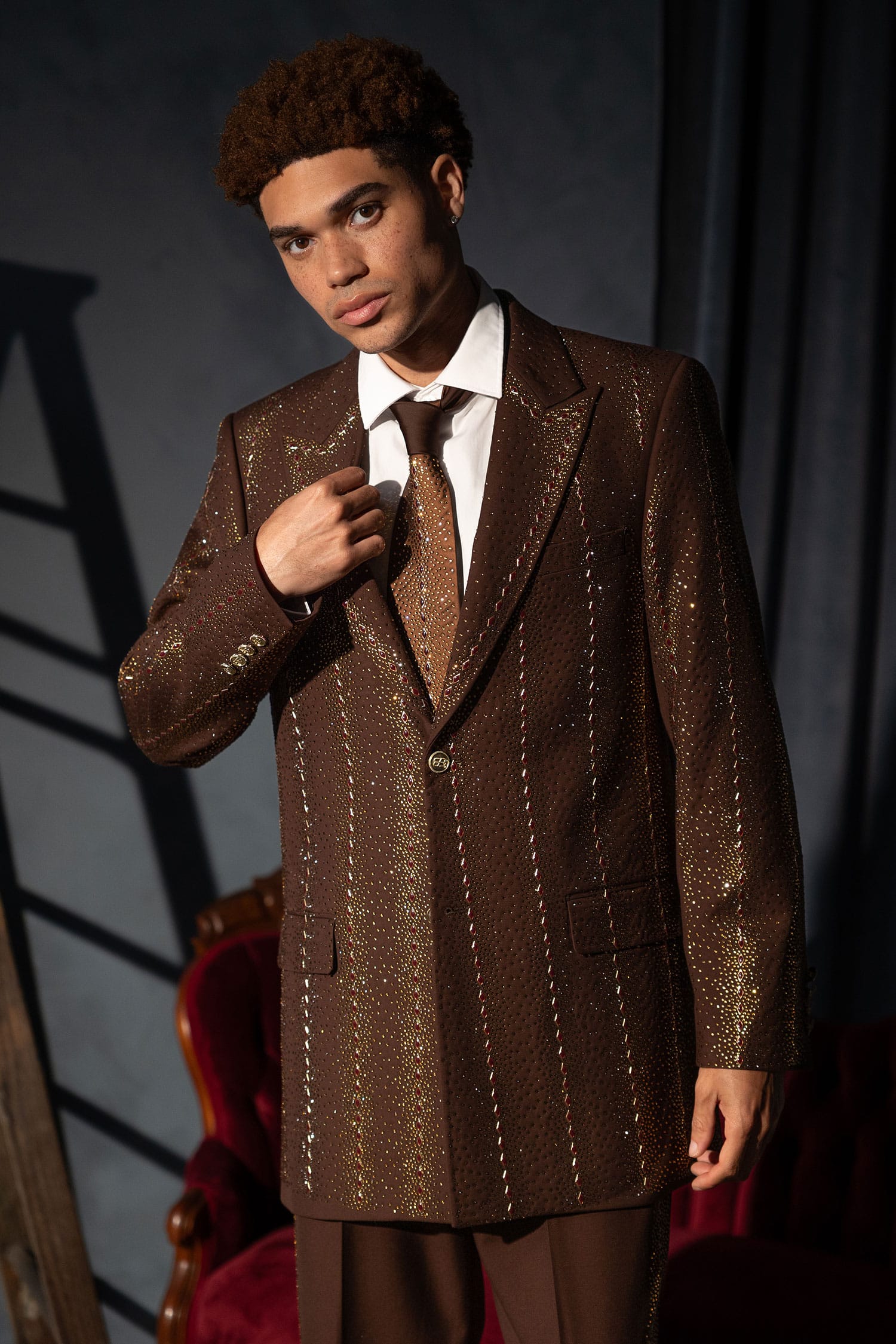
The final days of the Sukkot season shift back toward celebration-grade formality — this is when synagogues fill for dancing with the Torah and communities close out the holiday season with real energy. It's the one moment during Sukkot week where a bolder piece, like a satin blazer or a long coat, earns its place. If there's a night to lean into BARABAS's signature confidence, this is it.
Building Your Sukkot Capsule Wardrobe
Rather than planning seven separate outfits, build a small rotation of pieces that layer into each other. Here's what belongs in it.
1. Two or Three Dress Shirts
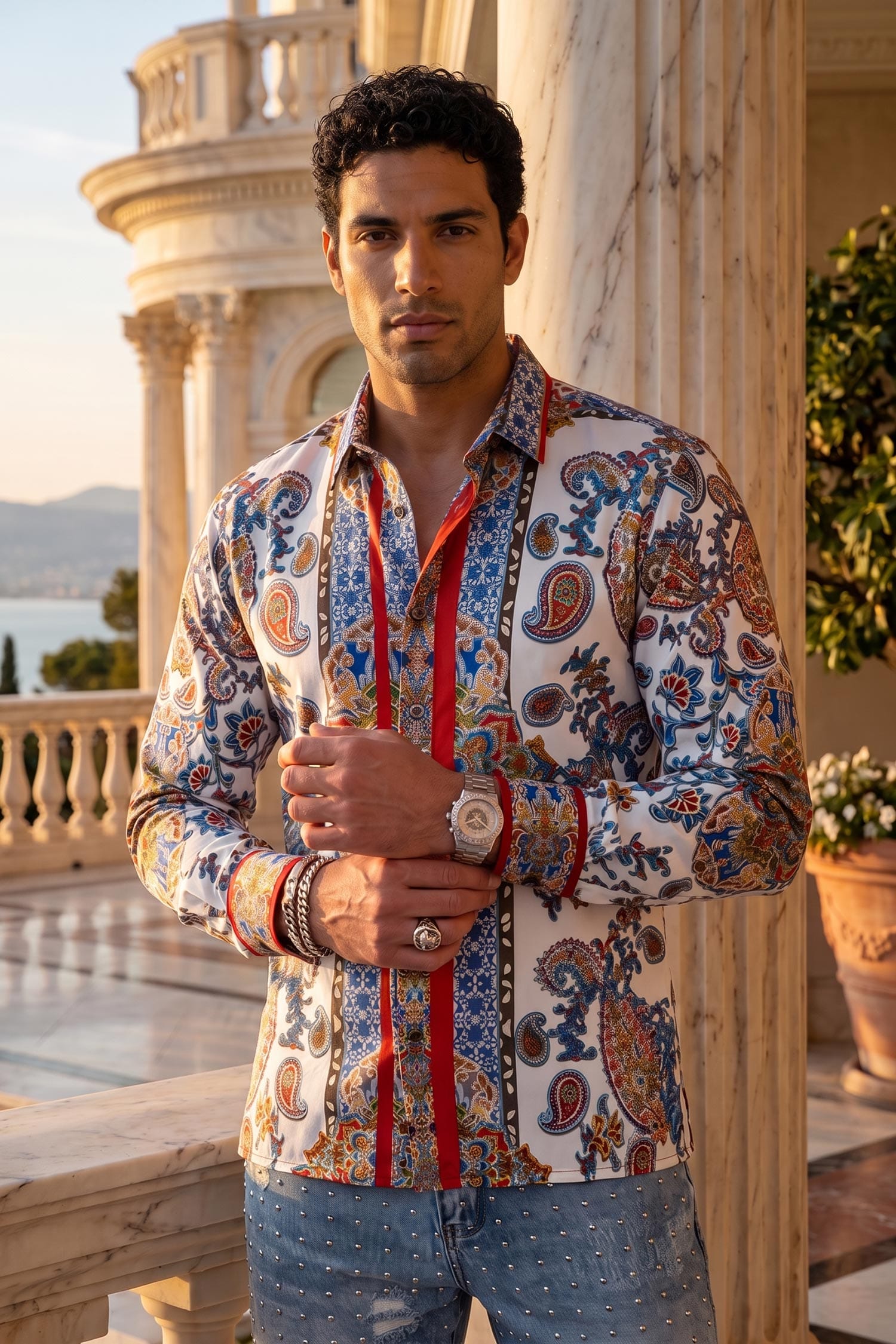
You'll wear a collared shirt more than anything else this week. Rotate between a couple of solid, textured options like the Hamburg Patterned Long Sleeve Shirt and the Chengdu Long Sleeve Shirt — both slim-fit, stretch-fabric shirts that move easily from synagogue to sukkah without wrinkling. Browse the full shirt collection for more solid and textured options.
2. A Layering Sweater
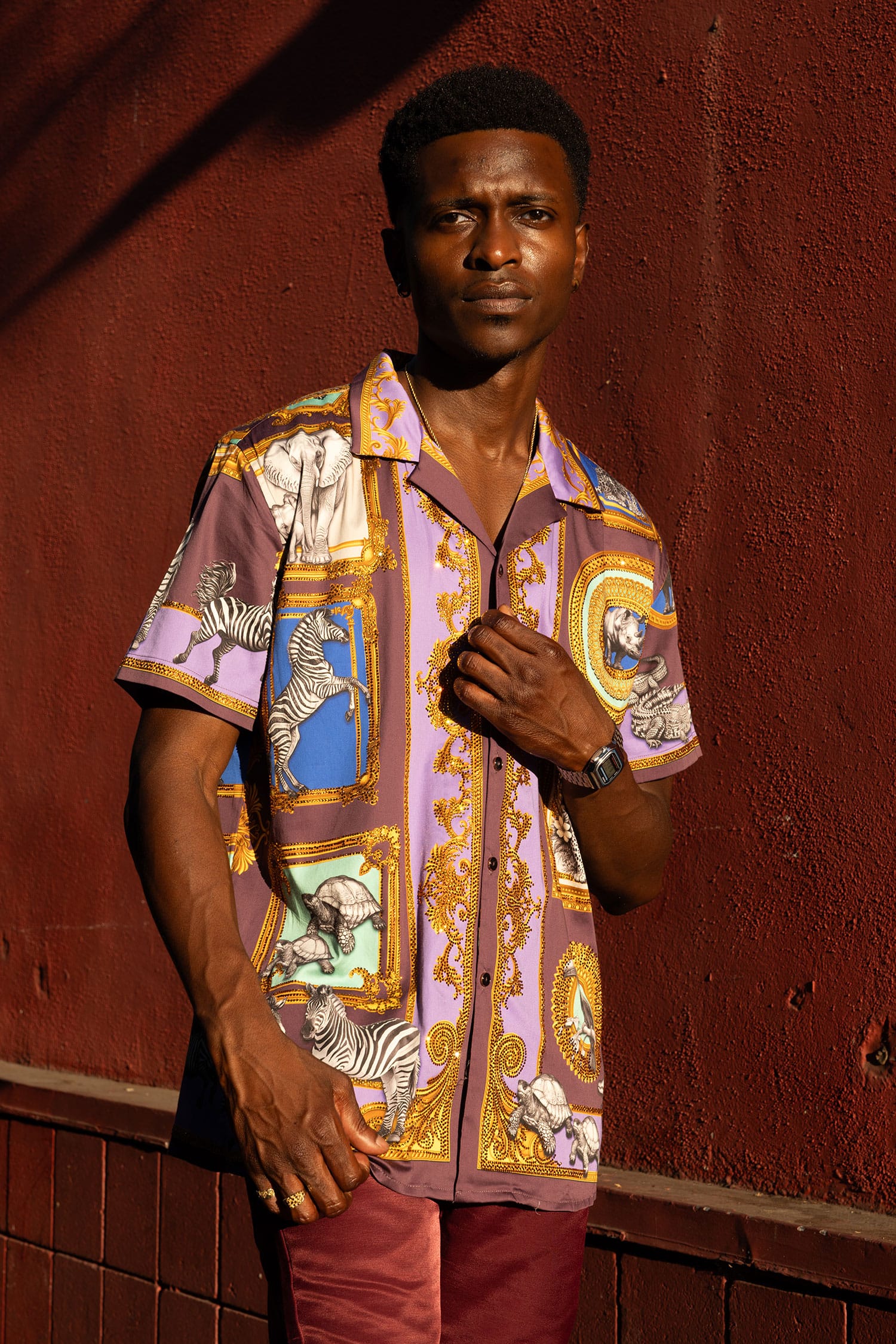
Once the sun drops, an open-air sukkah gets cold fast. A ribbed turtleneck like the Simple Life Turtleneck Ribbed Sweater layers cleanly under a blazer for synagogue and works completely on its own for a casual chol hamoed dinner. For a bolder option on the less formal days, the Orlando Medusa Crew Neck Sweater brings texture and personality without tipping into black-tie territory.

3. One or Two Blazers
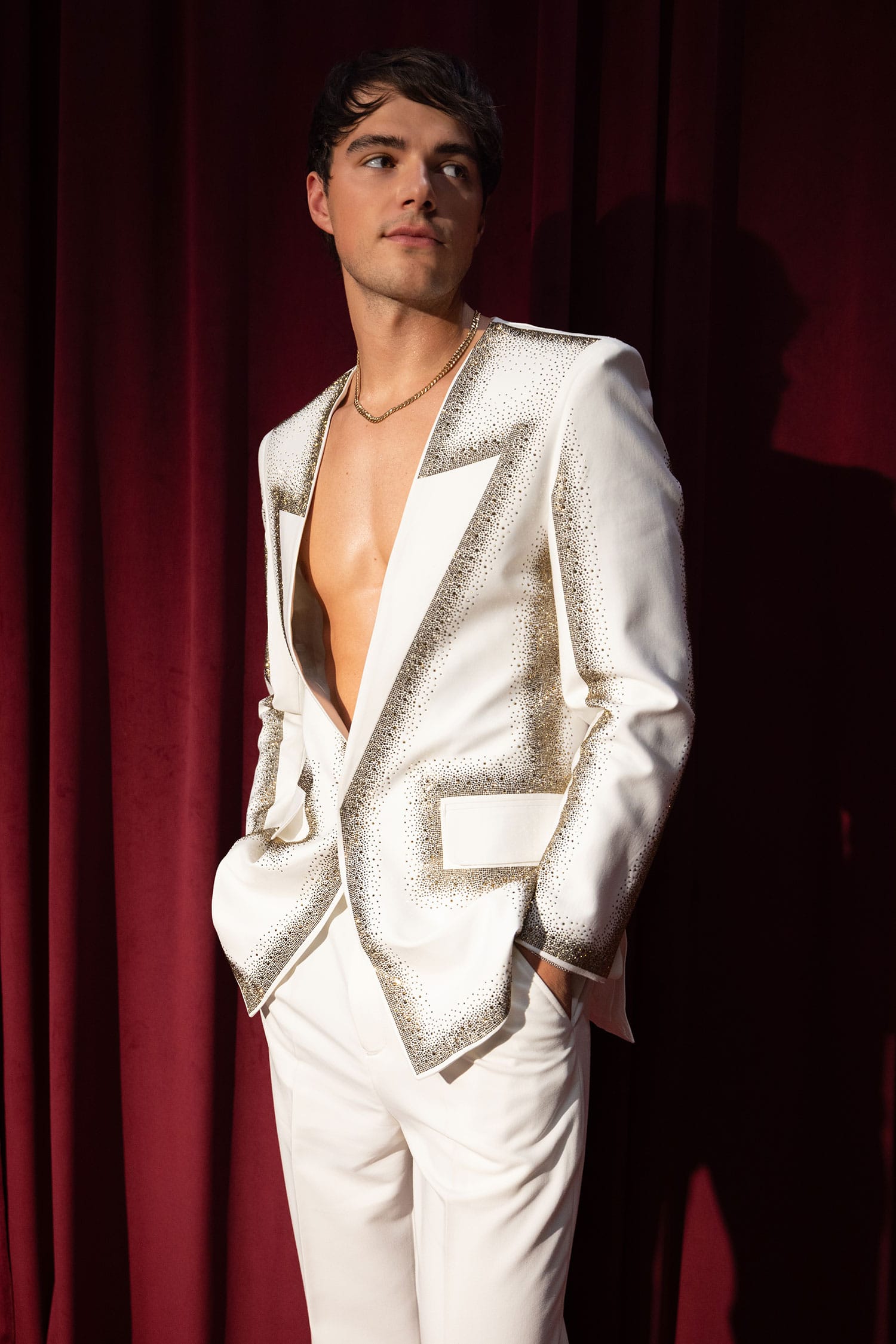
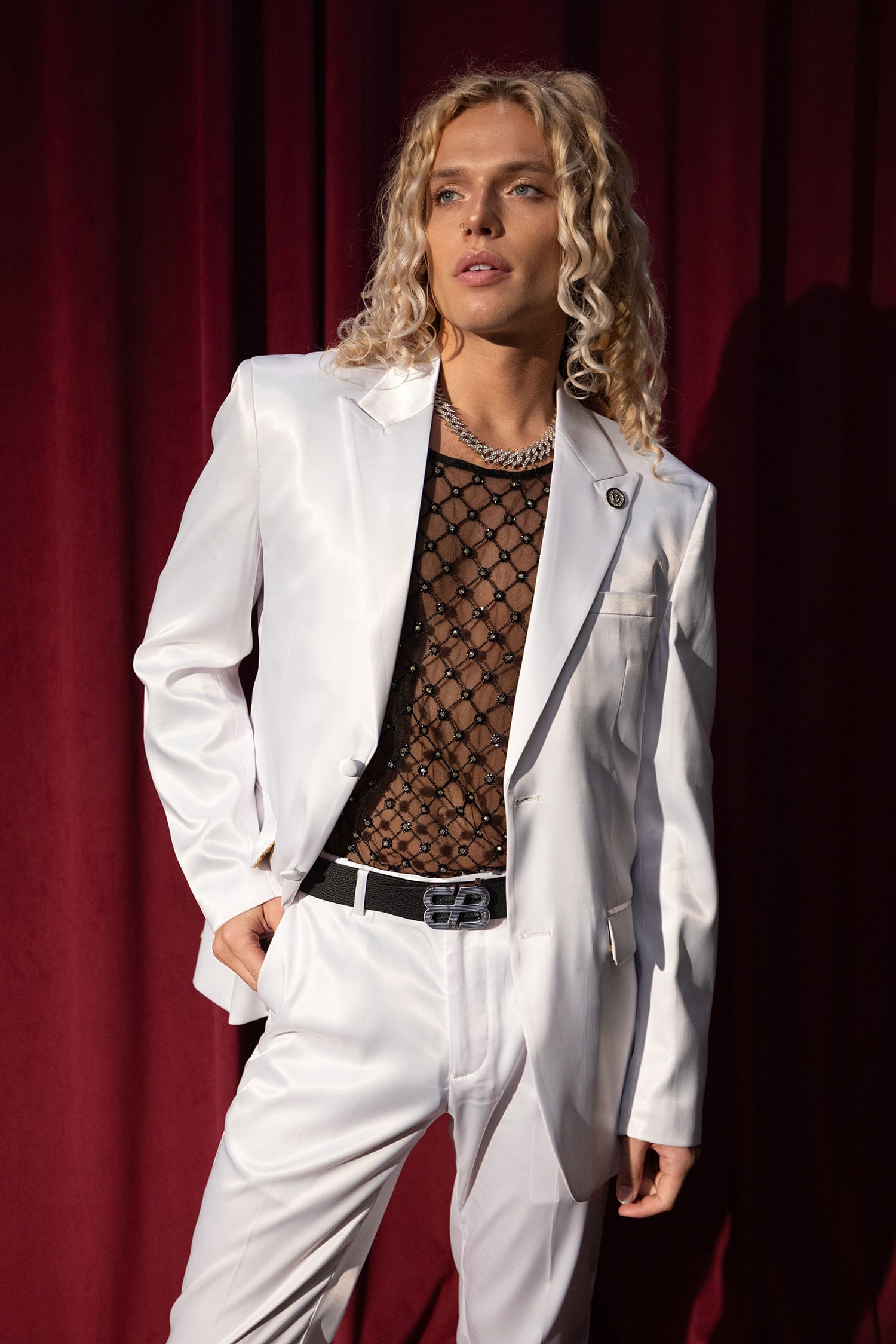
A blazer is your fastest way to dress an outfit up or down across the week. Keep a matte, solid option like the Crownmark Matte Blazer in rotation for synagogue mornings, and save something with more shine — like the Ardent Satin Blazer — for Simchat Torah. See the full range in the blazer collection.
4. A Dress Vest for Outdoor Layering
This is the most underrated Sukkot piece. A patterned dress vest, like the Muntinlupa Plaid Rhinestone Vest, adds warmth for a long sukkah meal without the bulk of a full jacket, and it reads as intentional styling rather than "I got cold." Explore more in the vests collection.

5. Casual Bottoms for Chol Hamoed
The middle days of Sukkot are built for family outings, so don't overdress. A well-cut pair of jeans, like the Monarch Western Denim Jeans, works for a casual family visit or a trip to build the sukkah itself.
6. Footwear That Can Go the Distance
You'll be on your feet — walking to synagogue, standing in the sukkah, dancing on Simchat Torah — so comfort matters as much as polish. Leather dress shoes cover the formal days, while a pair of tassel loafers gives you a slightly more relaxed, versatile option for chol hamoed. See more in shoes & accessories.
7. Getting the Color Palette Right
Because Sukkot moves between formal and casual multiple times a day, your easiest tool is color. Stick to versatile neutrals — black, navy, charcoal, deep green — for the pieces you'll wear most often, like your everyday dress shirts and pants, so they mix and match without a second thought. Then save your one or two statement colors or patterns — a plaid vest, a metallic blazer, a textured shirt — for the moments that call for it: Simchat Torah, a festive sukkah dinner with extended family, or any evening where the holiday's celebratory tone is front and center. This same neutrals-plus-one-statement-piece approach is what makes a small capsule wardrobe feel like more outfits than it actually is.
The BARABAS Sukkot Buying Guide
Building the capsule above doesn't require buying everything at once. Here's how each core piece stacks up on price and best use.
| Piece | Product | Price | Best Worn For |
|---|---|---|---|
| Dress Shirt | Hamburg Patterned Long Sleeve Shirt | $96 | Synagogue mornings, festive meals |
| Dress Shirt | Chengdu Long Sleeve Shirt | $96 | Everyday holiday polish |
| Turtleneck Sweater | Simple Life Turtleneck Ribbed Sweater | $49 | Layering under a blazer for cool sukkah nights |
| Statement Sweater | Orlando Medusa Crew Neck Sweater | $72 | Casual chol hamoed family gatherings |
| Blazer | Crownmark Matte Blazer | $196 | Synagogue + festive dinners |
| Blazer | Ardent Satin Blazer | $196 | Simchat Torah and evening celebrations |
| Dress Vest | Muntinlupa Plaid Rhinestone Vest | $39 | Sukkah warmth with a styled edge |
| Jeans | Monarch Western Denim Jeans | $116 | Casual chol hamoed days |
| Dress Pants | Privilege Pants | $69 | Versatile dressy-casual bottom |
| Loafers | Poker Play Tassel Loafers | $69 | Polished but comfortable finish |
| Dress Shoes | Lima Leather Dress Shoes | $169 | Formal synagogue services |
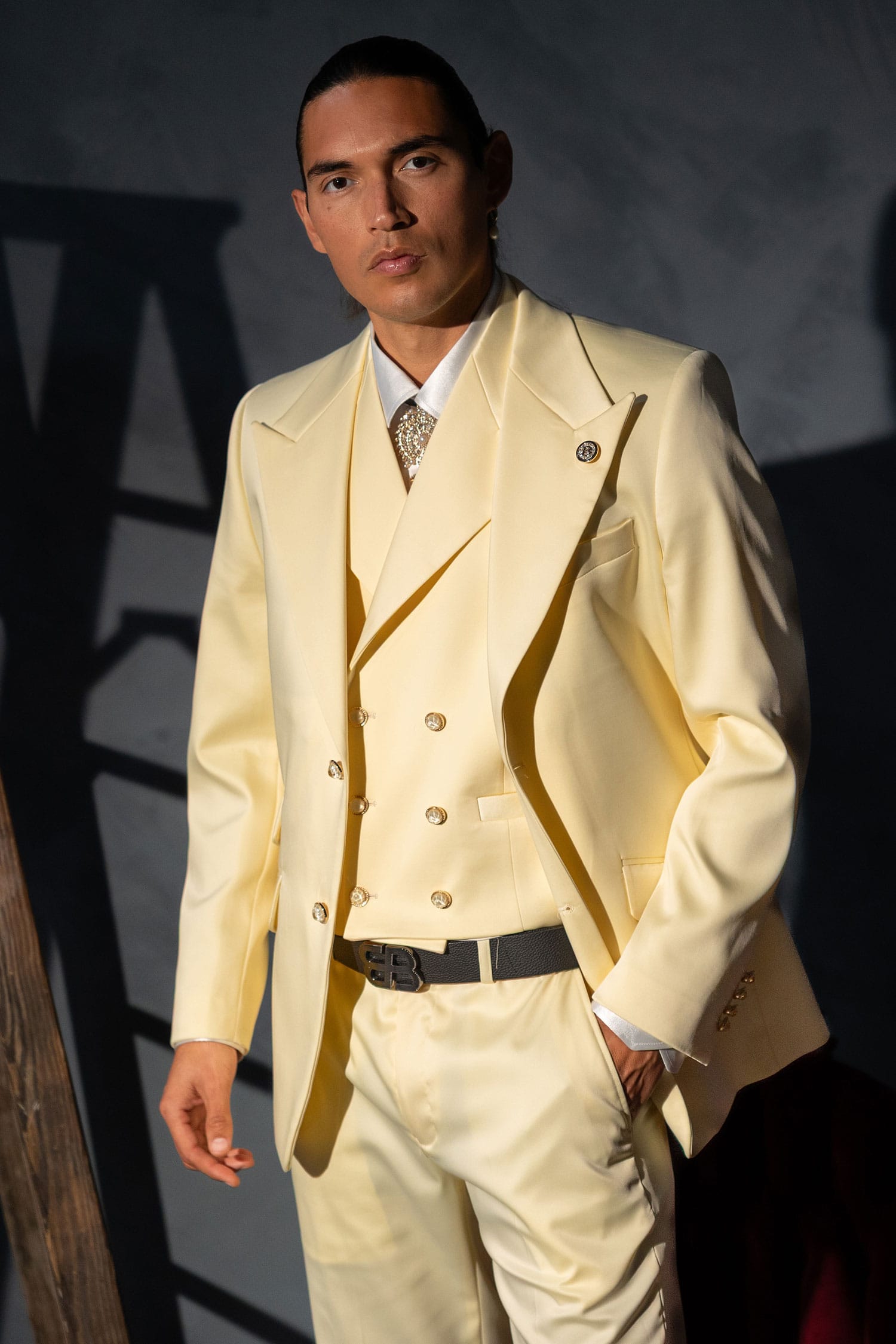
| Long Coat | Fabledrobe Solid Long Coat | $316 | Simchat Torah statement outerwear |
A complete capsule — two shirts, a sweater, a blazer, a vest, one pair of bottoms, and footwear — lands comfortably under $600 and covers every part of the week, from morning services to the last dance on Simchat Torah.
4 Outfit Formulas for Sukkot Week
- Synagogue morning: Solid dress shirt (Chengdu Long Sleeve Shirt) + Crownmark Matte Blazer + Privilege Pants + Lima Leather Dress Shoes. Clean, sharp, appropriate for services without over-dressing for the season.
- Sukkah lunch: Dress shirt + Muntinlupa Plaid Rhinestone Vest instead of a blazer. It layers warmth without the stiffness of a full jacket — ideal for a long, seated meal outdoors.
- Chol hamoed family day: Orlando Medusa Crew Neck Sweater + Monarch Western Denim Jeans + Poker Play Tassel Loafers. Comfortable, casual, still deliberate.
- Simchat Torah night: Hamburg Patterned Long Sleeve Shirt + Ardent Satin Blazer, or go all-in with the Fabledrobe Solid Long Coat over a turtleneck for a showstopping close to the holiday season.

Common Sukkot Style Mistakes to Avoid
- Treating every day like Yom Kippur. Sukkot's chol hamoed days are meant to be relaxed — showing up in full formalwear to a casual family sukkah lunch reads as overdressed, not respectful.
- Forgetting to layer for temperature swings. A sukkah has no walls and no climate control. Bring a sweater or vest you can add as the evening cools, especially for longer holiday meals.
- Wearing shoes that can't handle uneven ground. Sukkahs are often set up on grass, gravel, or backyard patios. Save your most delicate dress shoes for the synagogue portion of the day.
- Ignoring Simchat Torah's higher energy. The final night of the season is a celebration, not a formality — a plain shirt and slacks will feel flat next to a room full of dancing and singing.
- Over-packing one "holiday outfit" instead of a rotation. Sukkot lasts a full week. Build three or four mix-and-match pieces rather than one outfit you'll wear on repeat.
- Skipping color and pattern entirely. Sukkot is a harvest festival rooted in celebration — a touch of pattern or texture, like a textured shirt or patterned vest, fits the spirit of the holiday far better than head-to-toe black.
Sukkot Style FAQ
When is Sukkot in 2026?
Sukkot 2026 begins at sundown on Friday, September 25 and continues through Friday, October 2, with Shemini Atzeret and Simchat Torah closing out the holiday season.
What should men wear to synagogue during Sukkot?
A collared dress shirt with a blazer and dress pants is the standard — slightly less formal than Rosh Hashanah or Yom Kippur, but still polished. A tie is optional depending on your community's customs.
What's the right outfit for eating in the sukkah?
Prioritize layers you can add or remove: a dress shirt with a lightweight sweater or vest works better than a full suit, since you'll likely be seated outdoors for an extended meal as temperatures shift.
Can I wear jeans during Sukkot?
Yes, on the casual chol hamoed days. A well-fitted pair of dark jeans paired with a sweater or button-up is appropriate for family outings and informal gatherings during the middle of the week.
What should I wear on Simchat Torah?
Simchat Torah calls for your most celebratory piece — a statement blazer or long coat over a sharp shirt fits the energy of dancing and singing that marks the close of the holiday season.
How do I layer for cooler Sukkot nights outdoors?
Start with a fitted dress shirt, add a turtleneck sweater or dress vest for warmth, and keep a blazer or long coat on hand for once the sun fully sets. Removable layers matter more than one heavy piece.
What's the difference between Sukkot attire and Rosh Hashanah or Yom Kippur attire?
Rosh Hashanah and Yom Kippur call for consistent, formal dress throughout. Sukkot's dress code shifts day to day — formal for synagogue and Simchat Torah, casual and layered for chol hamoed and sukkah meals.
Are rhinestone or statement pieces appropriate for Sukkot?
Yes, especially for Simchat Torah and festive sukkah dinners. Sukkot is a celebratory harvest holiday, so a patterned vest, textured shirt, or statement blazer fits the tone far better than plain, muted basics.
Final Word
Sukkot rewards a wardrobe that can move — from synagogue polish to sukkah comfort to Simchat Torah celebration — without a single outfit change feeling forced. Build a small rotation around a couple of dress shirts, a sweater, a blazer, and one statement piece for the final night, and you'll be dressed correctly for every part of the week. Shop the full range built for exactly this kind of holiday versatility in the BARABAS Formal Wear collection, and see how we approached the High Holidays that led into Sukkot in our Rosh Hashanah style guide and Yom Kippur fashion guide.


