
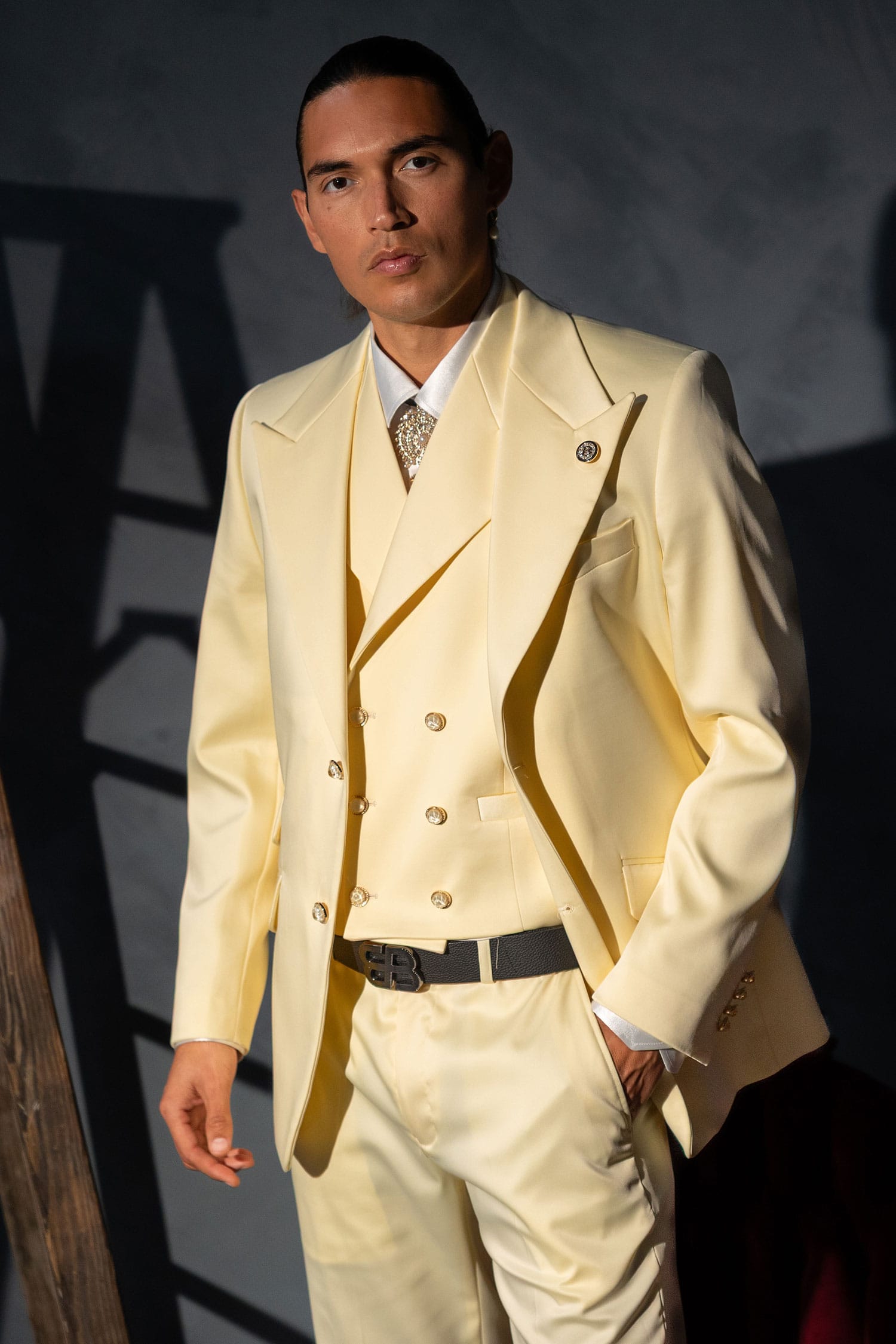
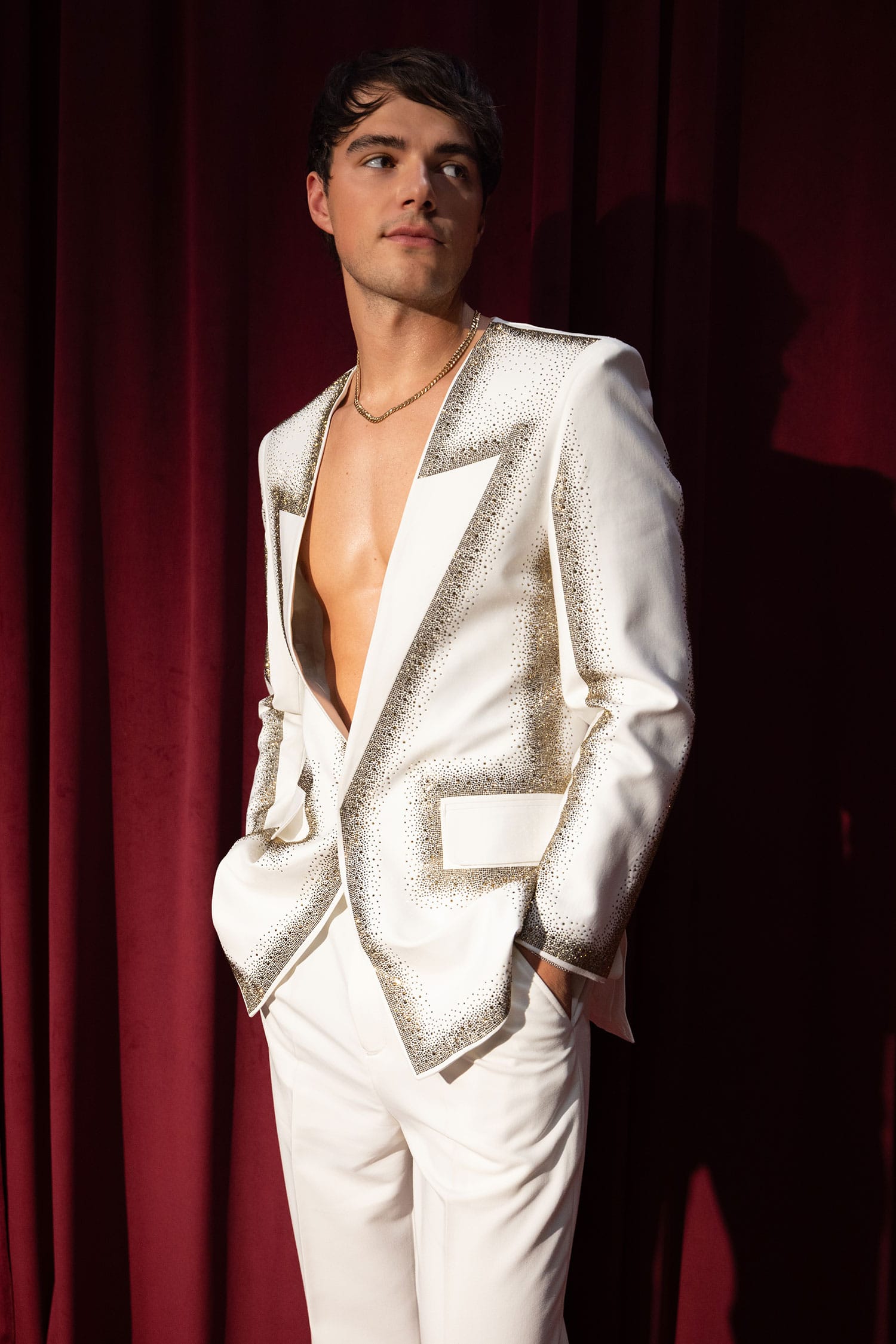
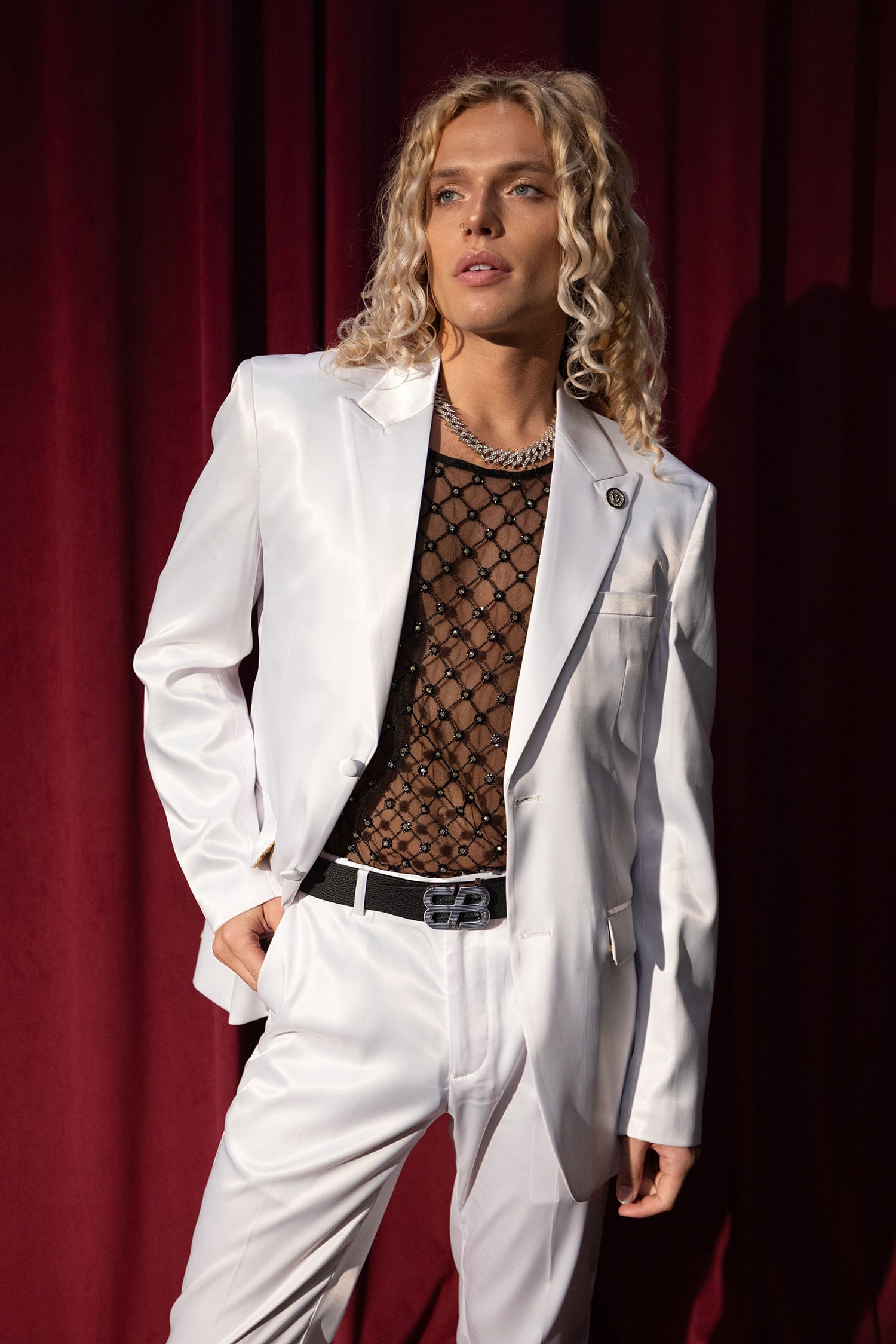
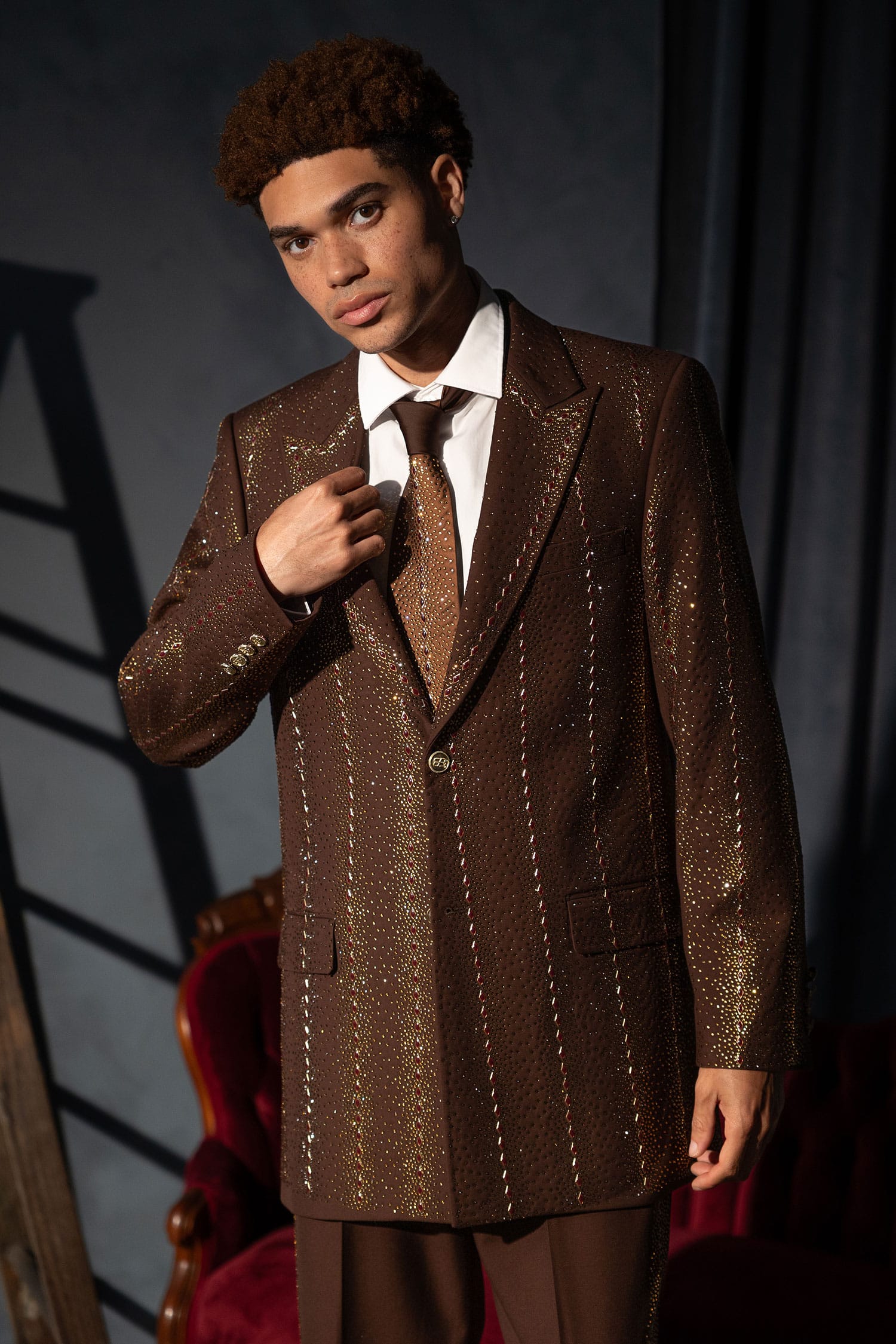
Pre-Fall Wardrobe Essentials for Men: Transitioning from Summer to Autumn 2026
Pre-Fall Wardrobe Essentials for Men: Transitioning from Summer to Autumn 2026
August arrives with a paradox for luxury menswear: the sun still blazes overhead, yet fall collections are landing in high-end boutiques. That early-autumn window—roughly mid-August through September—is the make-or-break moment for transitioning your closet from summer to fall without looking out of place or underdressed. It's not about abandoning everything lightweight; it's about layering with intention, investing in pieces that bridge seasons, and building a capsule collection that carries you through September's unpredictable weather and into October's guaranteed chill.
This is the pre-fall reset most men miss. Instead, they either cling to linen and cotton shirts through Labor Day, then suddenly shock their wardrobes with full fall suiting. The luxury approach is different. It's strategic. It's about understanding fabrics, investing in transitional pieces that earn their place year after year, and mastering the three-layer system that separates effortless elegance from trying-too-hard.
Why Pre-Fall Matters More Than You Think
Pre-fall is not a marketing term invented by retailers (though it certainly is that too). It's a real seasonal moment with real environmental and social demands. Labor Day marks the unofficial end of summer, even though autumn equinox doesn't hit until late September. Offices crank up air conditioning again. Evening temperatures dip from 85°F to 65°F. Wedding and event season continues strong, but dress codes tighten. By September 1st, no one questions a sport coat on a Monday.
The man who navigates this transition confidently stands out. He's not sweating through a linen shirt at an August gala, nor is he overdressed in tweeds and wools during the last heat wave. He owns transitional pieces—blazers in breathable fabrics, sweaters that work over t-shirts on cool mornings and come off by afternoon, vests that add warmth without bulk. He understands fabric weight. He knows that September is when investment purchases matter most, because a quality wool sweater or cashmere-blend knit worn 120 days a year (September through December, plus March through May) needs to justify its cost through versatility and durability.
Table of Contents
- The Three-Layer System for Transitional Dressing
- Essential Sweaters & Knits for Autumn 2026
- Transitional Blazers & Lightweight Outerwear
- Fall Trousers: Textures & Weights
- The Pre-Fall Color Palette
- Fabric Education: What Works in Autumn
- Building Your Transitional Capsule
- Common Pre-Fall Mistakes
- FAQ: Answering Your Pre-Fall Wardrobe Questions
- Conclusion: The Investment that Pays All Year
The Three-Layer System for Transitional Dressing
Luxury menswear in autumn is built on a principle that works whether it's 72°F or 42°F: the three-layer system. This isn't revolutionary—it's how humans have dressed intelligently for centuries—but it's liberating once you commit to it. Each layer serves a purpose, can be removed or added based on temperature and time of day, and allows one outfit to serve multiple occasions.
Base Layer: The Foundation
Your base is what touches your skin. In pre-fall, this is still often a t-shirt or casual crew-neck tee in cotton, but the weight matters. Summer t-shirts are lightweight, sometimes almost tissue-thin. Autumn t-shirts (and base layers in general) are structured, durable, and often incorporate a modest amount of stretch (2–5% spandex) for comfort and longevity. Look for 180–220 gsm (grams per square meter) weight cotton—substantial enough to hold its shape through wear and washing, not so heavy that it becomes winter-weight.
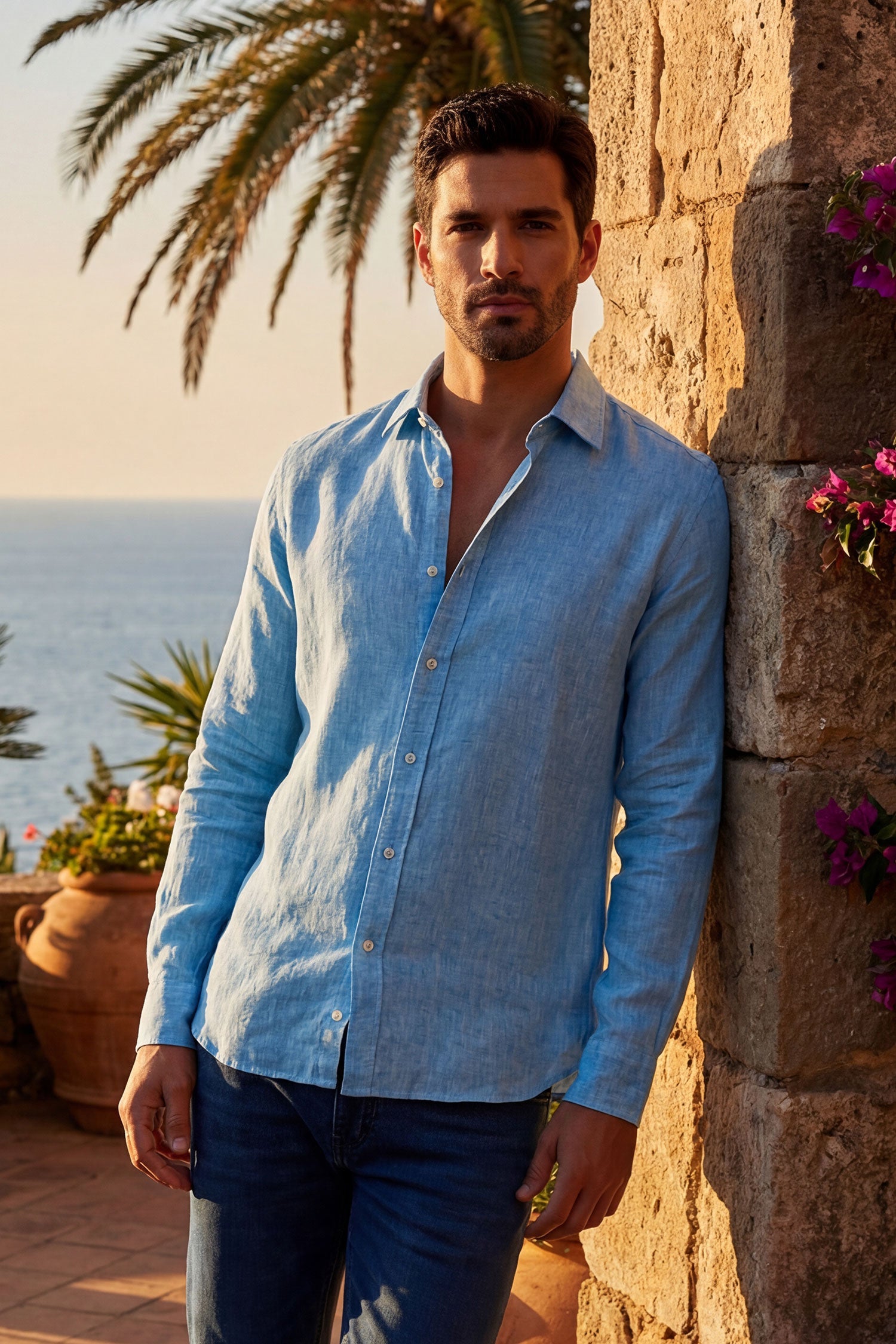
For business-casual or professional settings, a lightweight Oxford shirt or fine-knit long-sleeve tee works as your base. The key word: lightweight. You want something that won't feel bulky under a sweater or sport coat, but won't disappear under a shirt either. A well-fitted oxford in white, light blue, or cream is the ultimate pre-fall base—it's layerable, professional, and timeless.
Mid Layer: The Statement
This is where personality lives. A mid-layer can be a sweater, cardigan, vest, or even a lightweight sport coat. It's the piece you can remove in a meeting or at a restaurant and still look put-together. In pre-fall, your mid-layer options expand beyond what summer allowed but stay lighter than full-weight autumnal knits.
For September, think crewneck or v-neck sweaters in merino wool or wool blends, which are naturally temperature-regulating. Consider vests that layer over shirts but under jackets—a vest adds silhouette definition and warmth without the bulk of a full sweater. Cardigans work beautifully for casual days, adding texture and the ability to shed quickly if a room warms up.
The luxury player invests here. A single exceptional sweater—perhaps in a heritage neutral like camel, charcoal, or chocolate—worn 2–3 times per week from August through November is a smarter buy than three cheap knits that pill and stretch. This mid-layer needs to coordinate with the widest range of trousers and accessories.
Outer Layer: The Structure
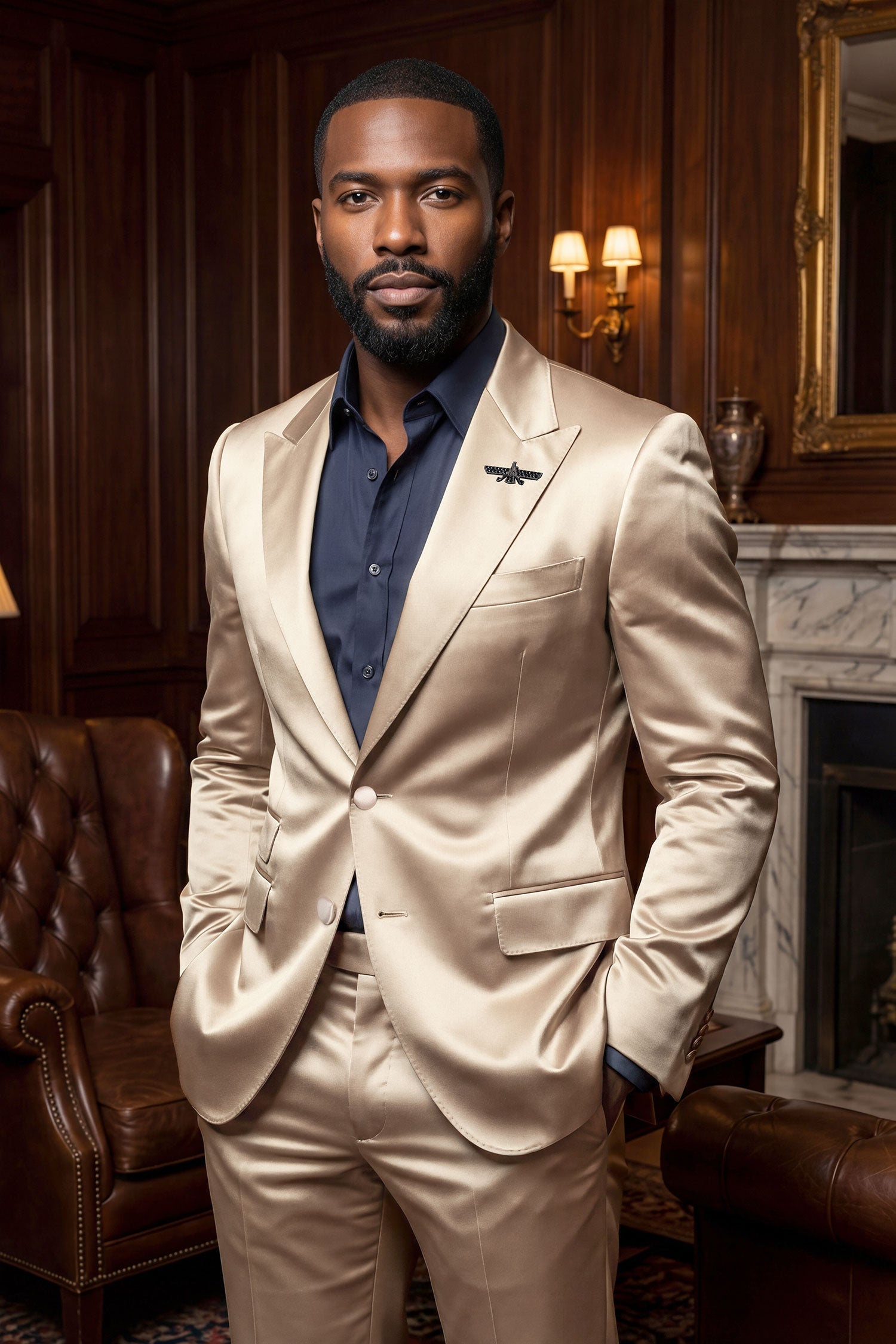
Your outer layer provides visual weight, weather protection, and the finishing statement. In pre-fall, this is typically a sport coat, blazer, or structured bomber jacket. The crucial detail: pre-fall outer layers are cut and sewn from lighter fabrics than winter coats. A blazer in silk-cotton blend or unlined linen-blend fabric breathes and drapes differently than a 100% wool autumn blazer, while still providing the authority and polish of tailored structure.
An unstructured or semi-structured blazer works especially well in pre-fall. It layers smoothly, doesn't add visual bulk, and feels less formal than a heavily interfaced sport coat. Many luxury menswear brands emphasize unstructured blazers for spring and fall, recognizing that transitions demand flexibility.
Essential Sweaters & Knits for Autumn 2026
A man entering pre-fall without at least two quality sweaters is undershopped. By the last week of August, an early morning feels like fall. A coffee meeting at an outdoor café in early September is underdressed without a layer. Here's what works:
Merino Wool Crew-Neck Sweater
This is the foundation. Merino is finer than standard wool, naturally antimicrobial (meaning it doesn't need washing as often), and incredibly temperature-adaptive. A 16–18 micron merino crew in a neutral (black, charcoal, navy, cream, or camel) works over everything. BARABAS's Simple Life Turtleneck Ribbed Sweater ($49) offers that structured base at an accessible price point. The turtleneck works especially well in cooler September evenings and creates a sophisticated silhouette under sport coats.
Wear it over a white oxford with dress trousers for business-casual elegance. Wear it over a t-shirt with dark jeans for weekend sophistication. The merino won't itch, won't pill if cared for, and will hold its shape for years.
Textured Knit Sweaters with Visual Interest
While one neutral sweater is essential, your second purchase should introduce texture or subtle pattern. The Orlando Medusa Sweater ($59) brings embroidered detail—the kind of design that reads as sophisticated, not costume-like. It's the type of piece that elevates jeans or low-key trousers because the sweater itself is the statement. Crew-neck, embroidered designs work better in pre-fall than oversized novelty knits; they're age-appropriate, professional-leaning, and won't feel dated by next season.
Vest Layering for Lightweight Warmth
Don't overlook vests in pre-fall. A quality knit vest or fisherman's vest adds warmth without the commitment of a full sweater and provides an alternative silhouette that feels fresh. The Take Your Shot Vest ($29.99) is lightweight enough to layer over a sweater if needed on particularly cool days, or over a shirt for a clean, structured look. Vests work exceptionally well in professional settings where full sweaters might feel too casual.
Transitional Blazers & Lightweight Outerwear
Your fall blazer needs to be different from your summer blazer (if you had one). A pre-fall blazer is typically cut slightly roomier to accommodate layering, features natural shoulders and some structure (but not too much), and is sewn from fabrics that bridge seasons. Look for:
Unstructured Wool-Blend Blazers
An unstructured or semi-structured blazer in a wool-blend (75% wool, 25% silk or linen) feels lighter than 100% wool but retains shape and professionalism. Seek neutrals: camel, charcoal, navy, grey, and brown. In pre-fall, this blazer is the outfit's anchor. Pair it with transitional trousers and you're ready for any occasion from casual Friday to evening drinks.
Lightweight Bomber Jackets and Sport Coats
For men who prefer casual luxury, a lightweight bomber in a structured fabric offers approachability without sacrificing polish. The Celestial Sun Bomber Jacket ($89) brings baroque-inspired design—a perfect bridge between summer's bold prints and autumn's heritage palette. Bomber jackets in pre-fall should still feel substantial enough to be a true mid-layer, not just a windbreaker.
The My Rosy Life Bomber Jacket ($99) offers floral and baroque detailing that works beautifully transitioning out of summer while remaining sophisticated for fall. These pieces don't need to be subtle; they need to be intentional and well-tailored.
Fall Trousers: Textures & Weights
Summer trousers—lightweight chinos, linen blends, and thin cottons—feel increasingly out of place by mid-September. Your pre-fall trouser collection should introduce weight, texture, and tactile interest without the bulk of winter wool.
Textured Cotton & Corduroy Pants
Corduroy is having a genuine moment in 2026, and for good reason: it's textured enough to feel like autumn, lightweight enough for September heat, and instantly more interesting than flat cotton. The BARABAS Mariupol Pants in corduroy ($23.99 sale price) offer serious value. In charcoal or black, corduroy works with almost any top and reads as intentionally autumnal without being costume-like. The weight is heavier than summer chinos but not winter-heavy.
Premium Dress Pants in Structured Fabrics
For professional settings, move beyond cotton. The BARABAS Extent Pants ($69) in a structured satin blend provides sheen and weight—a clear step up from summer fabrics. For less formal occasions, the Chaps Satin Pants ($49) offer similar polish at a lower price point. Both work layered under sweaters and blazers.
Vintage-Inspired Dark Denim
Don't abandon denim in fall; simply shift to darker, heavier washes. Premium jeans in 14–15 oz denim (compared to summer's 12–13 oz) feel more substantial while remaining comfortable. The Royal Slim Fit Premium Jeans ($69) in darker washes transition seamlessly from August to December when paired with sweaters and blazers.
The Pre-Fall Color Palette
August and September are when fashion transitions from bright, summery hues to heritage autumn tones. The 2026 pre-fall palette leans heavily into what stylists call "warm neutrals"—colors that feel connected to the season.
Heritage Neutrals
Camel, chocolate brown, taupe, charcoal, and grey dominate autumn 2026. These aren't "boring"—they're foundational. A camel blazer is more valuable than a navy blazer because it bridges seasons better, pairs with a wider range of colors, and feels more contemporary. Chocolate brown, often overlooked, brings warmth and richness that black and navy can't match. Invest in at least one garment in each of these neutrals: one camel or tan piece, one brown or chocolate piece, and one charcoal piece.
Accent Colors: Deep Red and Jewel Tones
While neutrals dominate, fashion insiders introduce one jewel tone or accent color. Deep burgundy, forest green, or rich navy—not summer's bright navy, but a deeper, more autumnal shade—makes an impact without screaming. A burgundy sweater, a forest green sport shirt, or jewel-tone trousers add personality against the neutral base. These accents work best in knitwear and smaller pieces, not full silhouettes.
Texture as Color
In pre-fall, texture communicates as loudly as color. Corduroy's vertical ribs catch light differently than flat cotton. Merino wool's subtle nap differs from silk. Suede (especially dark suede in brown or charcoal) reads as inherently autumn. Rather than introducing bright colors, build interest through fabric variations.
Fabric Education: What Works in Autumn
Understanding fabric weight and composition is the luxury menswear skill most men lack. Here's what matters in pre-fall:
Merino Wool (14–18 Micron)
Merino is finer than standard wool, naturally breathable, and perfect for pre-fall. It doesn't itch, resists pilling, and naturally regulates temperature. Look for 14–18 micron; anything coarser will feel scratchy.
Wool Blends (70–85% Wool, 15–30% Silk or Linen)
Blends offer structure that pure merino sometimes lacks. The silk or linen adds sheen and reduces weight. Perfect for blazers and structured garments.
Corduroy (100% Cotton, 14–16 oz)
The signature autumn fabric. Modern corduroy is softer and more refined than vintage versions. It's durable, textured, and seasonally appropriate.
Structured Cotton (180–220 gsm)
Heavier than summer cotton, this weight provides substance without weight. Works for oxford shirts and premium t-shirts.
Suede and Suede Blends
Suede is inherently autumn. A suede bomber or suede-blend jacket reads as intentionally fall. It's delicate (requires care) but rewarding for the luxury player.
Building Your Transitional Capsule
Rather than random purchases, build a pre-fall capsule: a limited collection of pieces that work together. Here's the essentials checklist:
Sweaters & Knits (2–3 pieces): One neutral crew-neck merino, one textured or patterned knit, one vest or cardigan. Total spend: $100–$200.
Outer Layers (1–2 pieces): One unstructured blazer or sport coat in a neutral, one bomber or lightweight jacket. Total spend: $200–$400.
Trousers (2–3 pairs): One corduroy in charcoal or black, one structured cotton or wool-blend in a neutral, one pair of dark jeans. Total spend: $150–$250.
Base Layers (3–4 pieces): Oxford shirts in white and light blue, solid crew-neck tees in neutrals. Total spend: $100–$150.
Footwear (1–2 pairs): A versatile leather loafer or oxford, one suede ankle boot or desert boot. Total spend: $250–$400.
Total pre-fall capsule investment: $800–$1,400. Each piece earns its place by coordinating with at least 4–5 other pieces in the collection.
Common Pre-Fall Mistakes
Mistake 1: Abandoning Summer Too Early
It's still August. Wearing full wool suiting because you bought it sends the wrong message. Lightweight blazers, linen-blend pieces, and breathable fabrics rule until Labor Day. Transition gradually, not suddenly.
Mistake 2: Forgetting About Fit When Layering
A sweater under a blazer can create bulk if either piece is oversized. Your sweater should fit closely to your body; your blazer should be roomy enough to accommodate one layer underneath without bunching. Try pieces on together before buying.
Mistake 3: Investing in Heavy Winter Pieces Too Early
A thick wool overcoat bought in August is premature. Focus on transitional pieces first. Winter coats earn their value November through February; pre-fall pieces work August through October and again in March and April. Better ROI on transitional investments.
Mistake 4: Ignoring Texture and Focusing Only on Color
A charcoal sweater in generic knit is boring. The same charcoal with cable knit, texture detail, or subtle pattern reads as intentional. Texture is autumn's language.
Mistake 5: Wearing Visibly Summery Accessories
Lightweight straw hats, canvas belts, and summer-bright sneakers work through August, but swap them by September. Accessories signal seasonality as loudly as clothing. Switch to leather, suede, structured fabrics, and deeper colors.
FAQ: Answering Your Pre-Fall Wardrobe Questions
What's the Real Difference Between Pre-Fall and Fall Pieces?
Pre-fall pieces prioritize breathability and lighter weight while maintaining autumn's structured aesthetic. Fall pieces are optimized for genuine cold. Pre-fall items work September and early October; fall items work November through February. The smartest move: invest in pre-fall pieces that transition between seasons, and save heavy winter investments for later.
Can I Wear Summer Linens into September?
Linen can work into September, especially in professional settings if it's a structured shirt under a blazer. By mid-September, however, linen alone starts reading as out-of-place. The goal is layering and transitions, which linen doesn't facilitate as well as more structured fabrics. Reserve pure linen for August; move to cotton-blend and structured fabrics by September 1st.
What's a Good Budget for Pre-Fall Pieces?
Quality pre-fall pieces run $50–$200 for individual items. A sweater costs $60–$120. A blazer costs $200–$500. Trousers cost $60–$150. Don't compromise on fit or fabric weight; poor-quality knits pill, oversized sweaters look sloppy, and thin trousers cheapen an entire outfit. Better to buy one excellent blazer than two mediocre ones.
How Often Should Pre-Fall Pieces Be Washed or Cleaned?
Sweaters in merino or quality blends need washing every 3–4 wears if worn as a base layer, or every 5–7 wears if worn over other layers. Blazers and sport coats rarely need cleaning; air them and spot-treat stains. Trousers benefit from occasional steaming rather than washing; wash when visibly soiled. Quality fabrics deteriorate faster with over-washing, so wear longer between washes than summer pieces.
Can Pre-Fall Pieces Work into Winter?
Absolutely. A lightweight blazer layered under a overcoat in November still serves a purpose. Sweaters wear year-round in climate-controlled offices. Dark jeans and structured trousers work through January. Pre-fall pieces aren't one-season buys; they're versatile, transitional investments that justify their cost through extended wear.
How Do I Know If a Sweater Weight Is Right for Pre-Fall?
Hold it up to light. You should see a subtle texture but not complete transparency. Fabric should feel structured, not limp. Merino at 400 gsm (medium weight) is ideal; above 600 gsm leans toward winter. Below 300 gsm feels too summery. When in doubt, try it on and assess how it layers with your existing pieces.
Conclusion: The Investment That Pays All Year
Pre-fall wardrobe building isn't about following trends or chasing the latest drops. It's about recognizing a seasonal moment and investing strategically in pieces that earn their value through versatility and longevity. A quality sweater worn 120+ days a year justifies a $100+ investment. A well-fitted blazer that works September through May earns far more than its purchase price.
The luxury player approaches pre-fall deliberately. He assesses what he already owns, identifies gaps, invests in pieces that coordinate with existing items, and prioritizes quality over quantity. He understands fabrics, fit, and the subtle details that separate intentional dressing from random accumulation. He builds a capsule—a limited, coordinated collection that works harder than his closet's total size suggests.
Start now. Visit BARABAS's Sweaters & Sweatshirts collection to explore transitional knits. Browse the Blazers collection for unstructured outerwear. Review premium trousers in textures and weights that work autumn's palette. And remember: pre-fall is short, but it's powerful. The man who masters this transition radiates confidence, intentionality, and sophistication. That's the luxury play. That's the difference between a closet and a wardrobe.
For deeper style guidance on transitioning through autumn, explore our guides on Quiet Luxury for Men and Summer Casual Blazers to understand how transitional pieces fit into a broader style philosophy.