
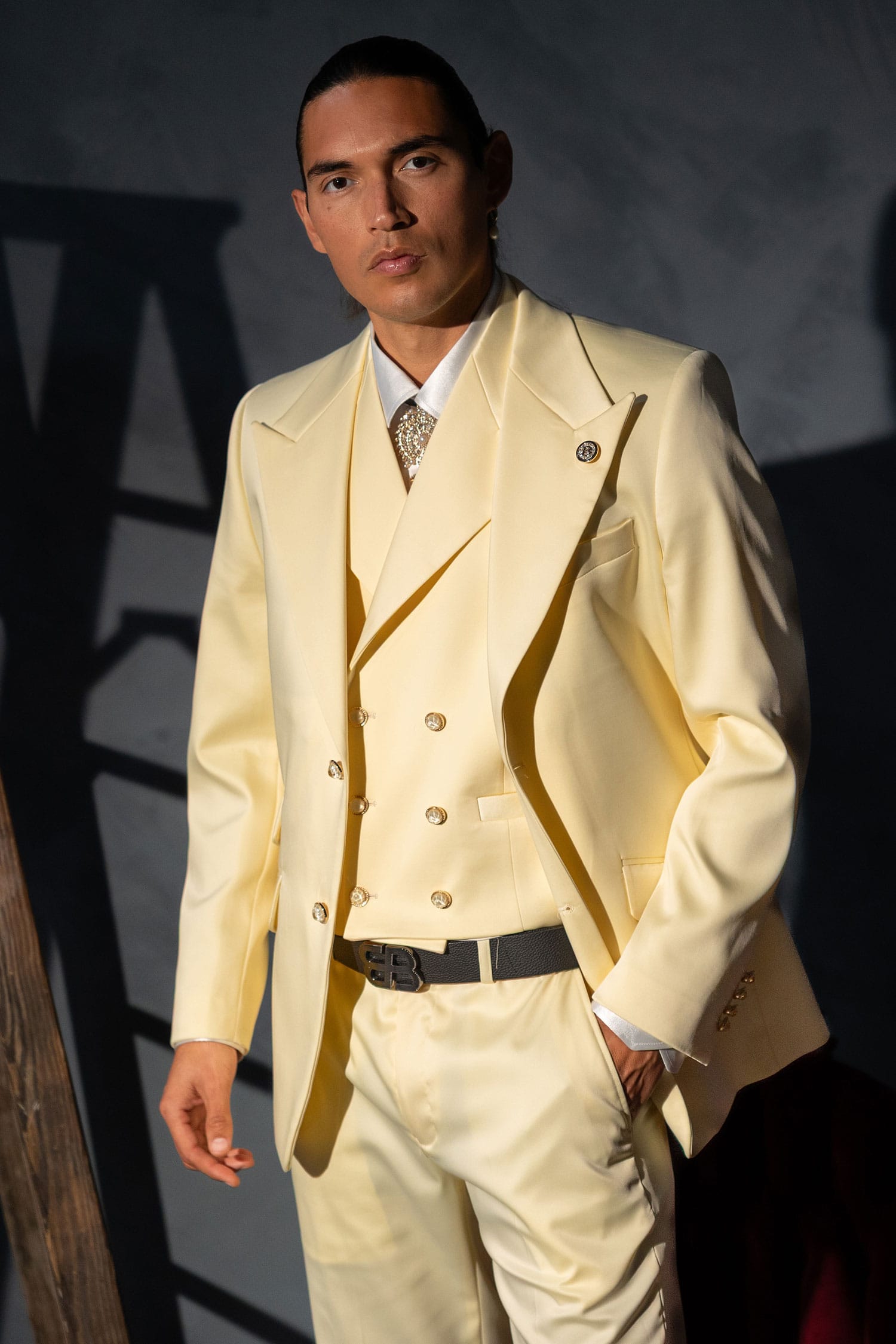
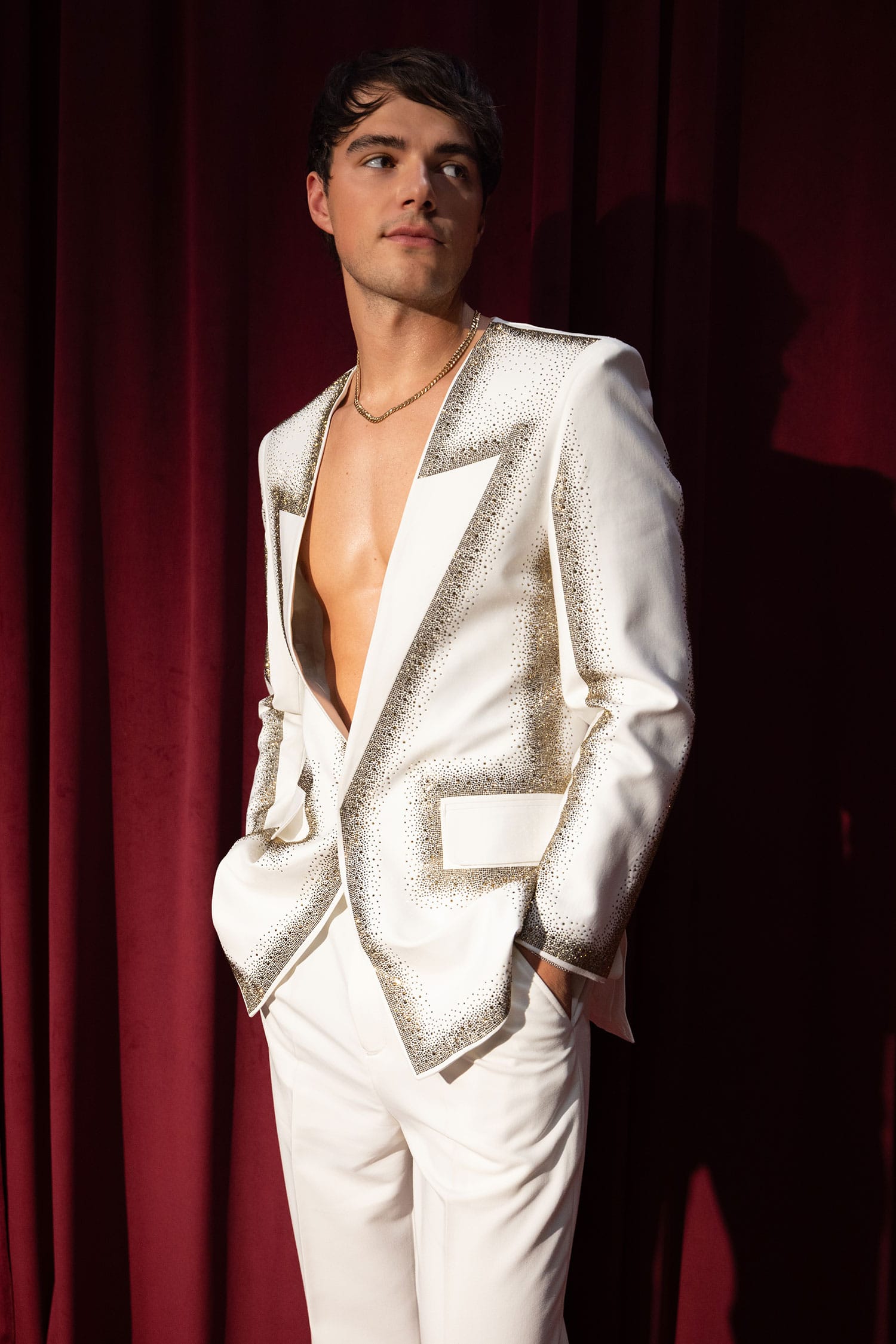
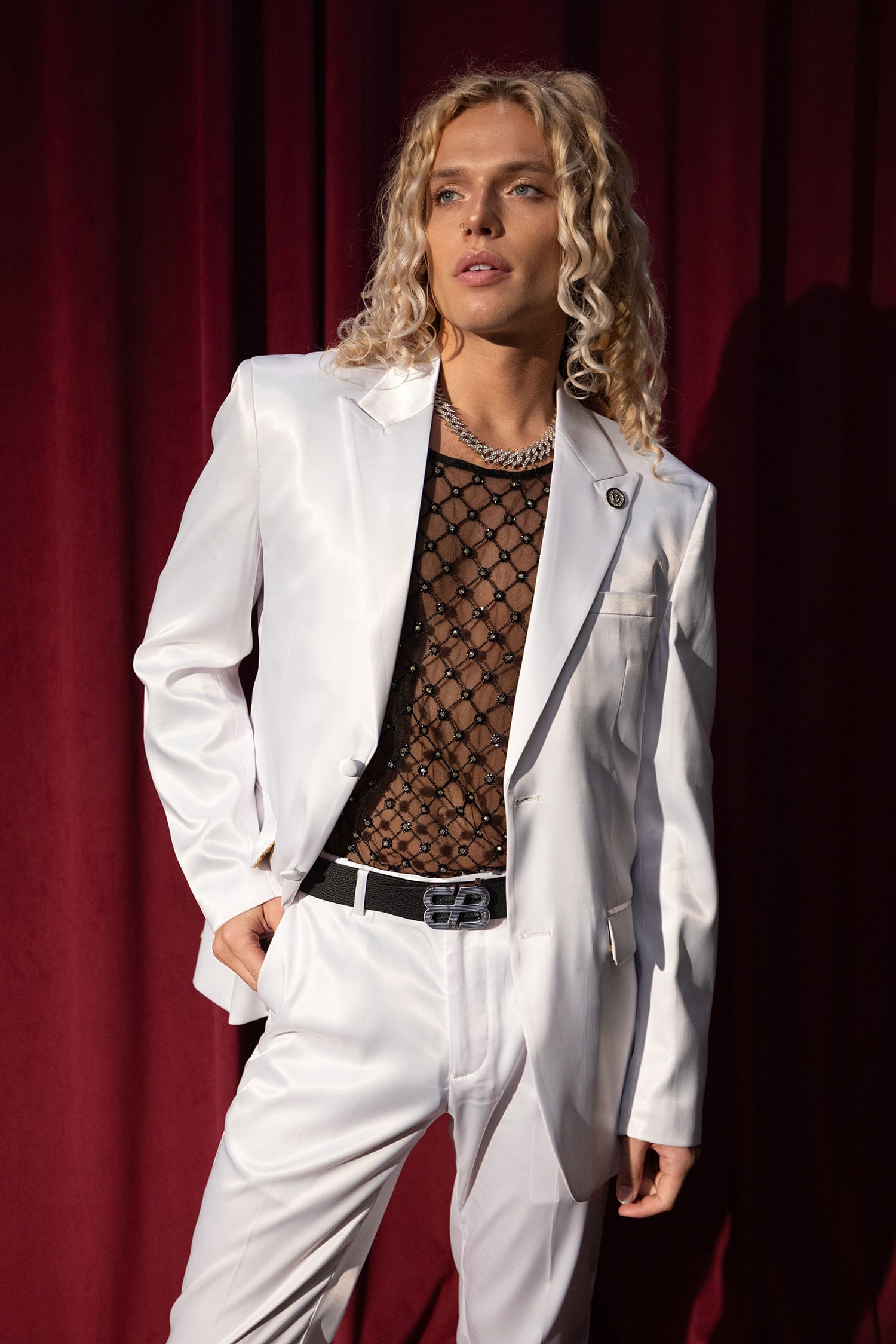
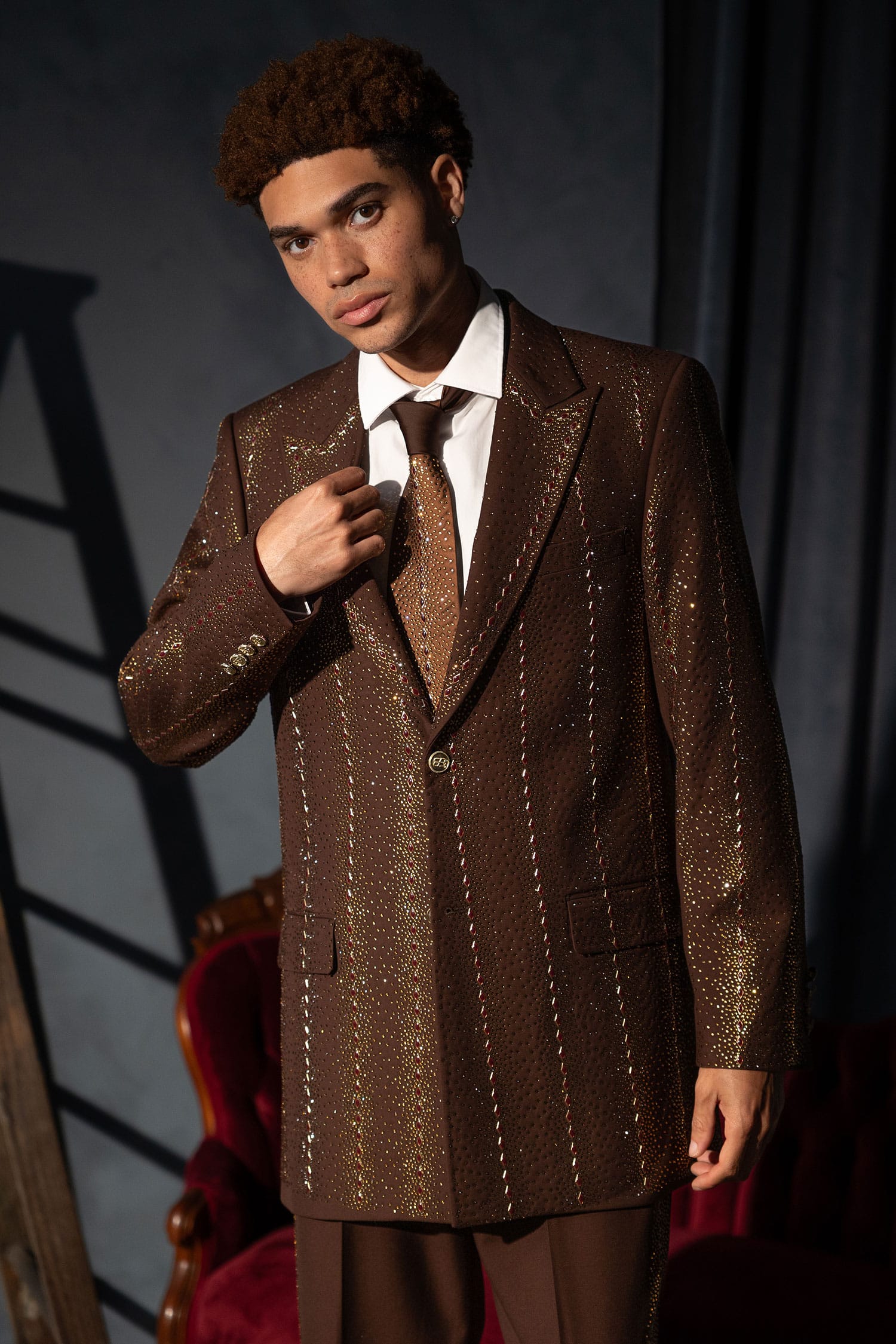
Men's Old Money Fashion 2026: The Complete Guide to Heritage Style, Premium Fabrics & Timeless Luxury
Men's Old Money Fashion 2026: The Complete Guide to Heritage Style, Premium Fabrics & Timeless Luxury
The wealthiest men in the world don't need to shout about their success. They communicate it through understated elegance—in the cut of their blazer, the weight of their leather loafer, the subtle sheen of premium wool. This is old money fashion: a philosophy that prioritizes heritage, quality, and restraint over logos, trends, and flash.
In 2026, as search interest in "old money style" has surged over 568% globally, men are increasingly rejecting conspicuous consumption in favor of stealth wealth. It's not about looking poor; it's about looking impossibly refined—like you inherited your wardrobe from a grandfather who spent decades perfecting taste.
This guide will teach you how to build an old money wardrobe that transcends seasons, speaks to confidence rather than insecurity, and positions you as someone who understands that true luxury whispers instead of screams.
Table of Contents
- The Philosophy: Quality Over Branding
- The Old Money Color Palette
- Premium Fabrics That Age Beautifully
- Core Wardrobe Pieces Every Man Needs
- Layering: The Art of Sophisticated Depth
- Accessories: The Subtle Power Players
- Old Money Buying Guide Comparison Table
- Common Old Money Fashion Mistakes
- Frequently Asked Questions
- Final Thoughts
The Philosophy: Quality Over Branding
Old money fashion operates on a principle that feels radical in 2026: the garment's quality matters infinitely more than who made it or how much you paid. A man wearing a heritage wool blazer from an unknown tailor looks wealthier and more refined than a man in a branded piece with visible logos.
This shift reflects a maturity in luxury consumption. The old money aesthetic says: "I'm so secure in my wealth that I don't need your validation." The fabrics do the talking. The tailoring does the talking. The fit does the talking. Your name, your credentials, your bank account—these stay private.
Why Restraint Reads as Wealth
Psychologically, restraint signals confidence. When a man wears a navy suit with a cream oxford shirt and simple leather loafers—nothing embellished, nothing trendy, nothing that screams "I just spent money"—observers assume one of two things: either he's been dressing this way his entire life (generational wealth), or he's so secure in his understanding of style that he doesn't need external validation (earned wealth and sophistication). Both read as authority.
By contrast, obvious branding, color saturation, and novelty suggest someone who is still learning, still trying to fit in, still needing the world to know they made a purchase recently.
The Old Money Color Palette
Old money dressing operates within a tightly controlled palette. The rule: 80% neutrals, 20% restrained accent colors. No brights. No pastels. No color combinations designed to catch attention.
Primary Neutrals (60%+ of Your Wardrobe)
Navy is the foundation. It's versatile enough for business, refined enough for evening, and timeless enough that a navy blazer you buy today will look perfect in twenty years. Navy reads as wealth because it's associated with sailors, country clubs, and old East Coast money.
Charcoal and Medium Gray offer versatility for tailored pieces. These tones are sophisticated without trying; they pair with nearly everything and age beautifully as wool naturally softens.
Camel and Tan bring warmth without loudness. A camel coat or camel trousers are essential for old money layering. These shades suggest old money because they evoke English country estates and heritage tailoring houses.
White and Cream are staples for dress shirts and base layers. Cream reads as more sophisticated than bright white because it's less demanding on the eye—more restful, more confident.
Black is used sparingly and only for formal evening wear (black tie, not everyday). Old money men rarely wear black as a casual piece.
Secondary Neutrals (15-20%)
Brown in its various forms—from warm chocolate to cool taupe—works beautifully in loafers, belts, and accessories. Olive brings subtle depth to knitwear. Ivory and light gray appear in patterns and supporting pieces.
Accent Colors (10-20%)
When old money men venture into color, they choose:
- Burgundy: Sophisticated, associated with wine country and country clubs. Appears in ties, pocket squares, and subtle knitwear patterns.
- Forest Green: Deep, restful, and connected to outdoor heritage. Appropriate for blazers, sweaters, and tailored trousers.
- Slate Blue: More refined than bright blue, slate appears in dress shirts and sweaters.
- Taupe and Greige: These near-neutrals bridge the gap between warm and cool tones and add dimension without drama.
Notice what's absent: coral, electric blue, hot pink, neon accents. Old money fashion was never designed to compete for attention on a city street.
Premium Fabrics That Age Beautifully
In old money dressing, the fabric is the hero. A well-made garment in a premium material will outlast trends, maintain its shape, and often look better after five years than it did brand new.
Wool: The Foundation
Wool is non-negotiable. A 100% wool blazer in a tight weave will last decades. The best old money blazers are constructed from Italian or English wool, often in subtle textures: herringbone, subtle patterns, or matte finishes that catch light without glittering.
Look for: Driftwrap Blazer ($129) — constructed from a matte solid wool-blend with peak lapel styling, this piece offers that timeless silhouette old money wardrobes require. Available in black and charcoal.
Cashmere: The Luxury Layer
A single 100% cashmere crewneck sweater in charcoal or navy is an investment that pays dividends. Cashmere softens with age, develops a subtle patina, and signals quiet wealth in a way synthetics never will. One high-quality cashmere sweater beats five mediocre ones.
Linen and Linen Blends: The Summer Secret
Old money doesn't abandon quality in summer. Premium linen in neutral tones—cream, light gray, natural tan—breathes beautifully and develops a lived-in texture that reads as intentional luxury, not wrinkled.
Leather: The Collector's Material
Full-grain leather improves with age. A quality leather belt, leather loafers, or leather briefcase will develop a rich patina—a visible record of its use that signals authenticity. Avoid shiny finishes and embellishments; choose matte leather that ages gracefully.
Explore: Flower Luxe Tassel Loafers ($89) — premium suede construction with refined detailing, these loafers offer the slip-on elegance old money wardrobes demand. The suede will develop character with wear.
Fine Cotton: The Shirting Standard
Dress shirts should be 100% cotton or cotton-linen blends from premium mills. Look for thread counts in the 140-200 range—higher numbers feel smooth but soften too quickly. The finest dress shirts come from heritage makers who have perfected their craft over generations.
Core Wardrobe Pieces Every Man Needs
The Navy Blazer
This is the single most important piece in an old money wardrobe. It's your anchor. Worn with casual trousers, it's smart casual. Worn with matching trousers as a suit, it's formal. Worn over a sweater, it's layered sophistication.
Look for: Single-breasted, two-button construction. Natural shoulders (not heavily padded). Notch lapel or peak lapel, depending on your preference. The fabric should be a tight wool weave that holds its shape. This piece deserves investment; plan on spending $150-400.
Try: Crownmark Matte Blazer ($196) — solid-color matte fabric with structured notch lapel, this regular-fit blazer embodies the refined restraint of old money styling. Available in black and neutral tones.
Tailored Dress Pants in Neutral Tones
You need at minimum: charcoal gray, navy, and camel. These aren't jeans replacements; they're investment pieces that will anchor dozens of outfits over years.
Directed Way Slim Fit Solid Pants ($59) — crafted from regenerated fiber in multiple neutral colorways, these offer the clean lines and quality construction old money wardrobes require. Slim fit works across body types when properly tailored.
The fit matters enormously. Pants should break slightly on your shoe, sit at your natural waist (not below), and taper smoothly without clinging. Most quality pants benefit from tailoring at the hem and potentially at the waist.
Dress Shirts: The Neutral Army
You need a rotating supply of quality dress shirts. Minimum: white, cream, and light blue. These are your base layers for both casual and formal looks.
White dress shirts should be 100% cotton, crisp, and properly pressed. They're your most versatile piece—wear them under blazers, under sweaters, or alone on warm days. Cream adds sophistication and warmth without the starkness of white. Light blue provides subtle color while maintaining formality.
Avoid: Bold patterns, visible stitching, French cuffs unless you're confident in your style. Old money favors simplicity.
Premium Loafers and Oxfords
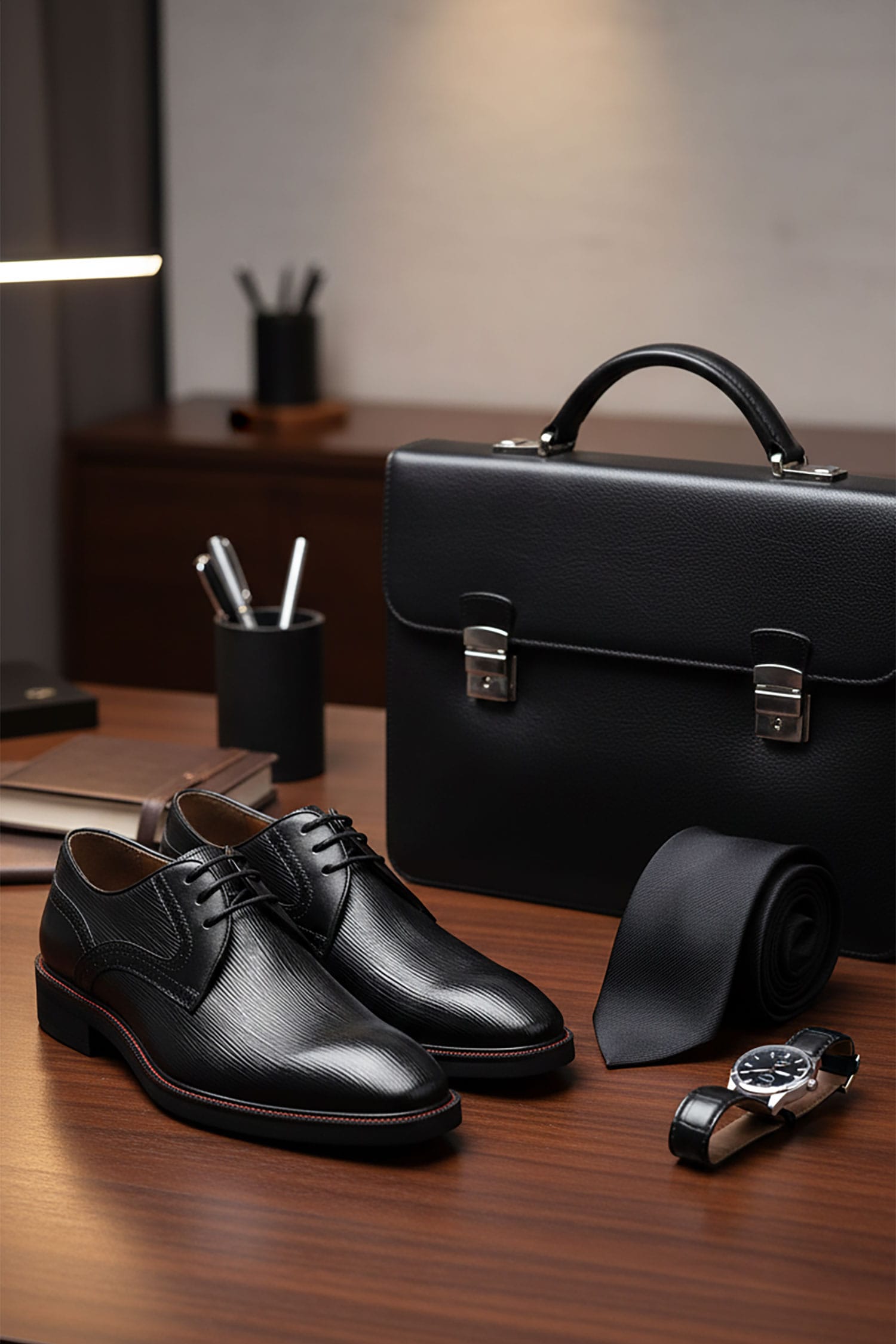
Shoes matter more than most men realize. Old money wardrobes include: classic leather loafers (preferably in suede or soft leather), oxfords (brown and black), and perhaps one pair of brogues for textural interest.
Quality construction is crucial. Look for Goodyear-welted shoes that can be resoled, not glued construction that expires after a season. The leather should be full-grain; it will develop character.
Options: Trickle Stone Slip-On Loafers ($99) — refined loafers with luxury red soles and Barabas branding, these offer the understated elegance central to old money styling. The slip-on convenience doesn't sacrifice sophistication.
The Tailored Suit
Own at minimum one high-quality suit. Navy is the safest choice; it works for business, semi-formal events, and occasions requiring polish without tuxedos. The suit should fit your body precisely—broad shoulders, tapered waist, proper jacket length.
Explore: Endless Brushed Cotton Suit ($210) — slim-fit construction in solid brushed cotton with classic notch lapel. This represents old money value: quality fabric, timeless styling, accessible investment.
Fine Knitwear
A single 100% cashmere or premium wool crewneck sweater in charcoal, navy, or cream is essential. Wear it layered under blazers or alone with tailored trousers. One exceptional piece beats a closet of mediocre options.
Layering: The Art of Sophisticated Depth
Old money dressing is fundamentally about layering. The silhouette builds outward in refined stages: a base shirt, a sweater, a blazer, perhaps an overcoat. Each layer adds depth without adding loudness.
Summer Layering
Cream linen shirt + tan blazer + sunglasses. That's it. No logo, no pattern, no "look at me." Pure sophistication.
Fall Layering
Light blue dress shirt + navy crewneck cashmere + charcoal blazer + camel overcoat. Each layer complements the previous; the silhouette is refined without trying.
Winter Layering
White dress shirt + charcoal sweater + navy blazer + charcoal wool coat. The repetition of neutrals creates visual coherence. The layering creates visual interest.
The key: Let each layer breathe. Don't pack too much fabric. The sleeve of the shirt should be visible beneath the sweater. The sweater should be visible beneath the blazer. This creates refined proportion and elegant depth.
Accessories: The Subtle Power Players
Leather Belt
One quality leather belt in brown and one in black. The leather should match your shoes. The buckle should be understated—no oversized logos, no novelty shapes. Simple, classic, permanent.
Pocket Square
A silk pocket square in a neutral tone adds subtle refinement when wearing blazers. Old money rarely matches pocket squares to ties; they're intentionally understated complements, often in white, cream, or a muted tone.
Watches and Jewelry
A single high-quality watch in stainless steel or white gold with a clean face (no visible branding, no busy dial). Wear it daily. A simple wedding band if applicable. Beyond that, restraint is wealth.
Sunglasses
Classic frame styles: Wayfarer-inspired shapes or cat-eye silhouettes in tortoiseshell or solid frames. Avoid oversized trend glasses. Choose UV-protective quality.
Old Money Buying Guide Comparison Table
| Piece | Investment Level | BARABAS Option | Price | Material |
|---|---|---|---|---|
| Premium Blazer | High | Driftwrap or Crownmark Matte | $129-196 | Wool/Wool-blend |
| Tailored Suit | High | Endless Brushed Cotton | $210 | Cotton |
| Dress Pants (Multiple) | Medium | Directed Way or Decorous | $39-59 | Regenerated Fiber |
| Premium Loafers | Medium-High | Trickle Stone or Flower Luxe | $89-99 | Suede/Leather |
| Dress Shirt (White) | Medium | Ringsaker Tuxedo Shirt | $79 | Cotton Blend |
| Polo Shirts (Neutral) | Low-Medium | Hanoi Checkered or Lisbon Polka Dots | $49-65 | Cotton Blend |
Common Old Money Fashion Mistakes
Mistake #1: Visible Branding
Wearing logos, visible designer names, or embroidered branding screams the opposite of old money. True wealth doesn't advertise. Buy pieces where the quality is obvious to anyone who knows fabric and construction, not to anyone who can read a logo.
Mistake #2: Over-Accessorizing
Multiple chains, multiple rings, oversized watches, bold pocket squares, novelty ties. Old money never tries this hard. Choose one strong accessory element per outfit.
Mistake #3: Bright or Saturated Colors
Neon. Hot pink. Electric blue. Coral. These scream "new money" or "trying hard." Old money operates in muted, restful tones.
Mistake #4: Poor Fit
The single biggest mistake: wearing clothes that don't fit. A $200 suit that fits perfectly beats a $2,000 suit hanging off your frame. Invest in tailoring. Every piece should fit your specific body.
Mistake #5: Trendy Silhouettes
Oversized everything. Intentionally cropped pants. Exaggerated lapels. Trends fade. Old money wears classic silhouettes that will look appropriate in five years.
Mistake #6: Fast Fashion Mixed With Investment Pieces
Wearing a $300 blazer with a $20 shirt from a fast-fashion retailer creates visual discord. Everything doesn't need to be expensive, but quality should be consistent.
Frequently Asked Questions
How much should I spend on an old money wardrobe?
Start strategically. Invest in your foundation pieces first: one quality blazer ($150-300), one suit ($200-400), one pair of quality loafers ($80-200), and several dress shirts ($50-100 each). You can build a refined old money foundation for $800-1500. Over time, add pieces thoughtfully.
Can I incorporate old money style on a budget?
Absolutely. Old money dressing is about smart choices, not expensive choices. One $100 quality blazer in navy beats five $30 mediocre blazers. Focus on neutral, classic pieces that won't date. Quality second-hand pieces from heritage brands offer excellent value. BARABAS provides high-quality options at accessible price points (see the Formal Wear collection).
What if I work in a creative industry that values color and personality?
Old money fashion is flexible. You can apply its core principles—quality, restraint, classic silhouettes—while incorporating slightly more color or personality. A navy blazer with tailored navy pants and a cream sweater can feel creative when paired with textured fabrics or subtle patterns. The foundation remains timeless.
How does old money fashion differ from quiet luxury?
They're closely related but distinct. Quiet luxury is the broader philosophy (valuing quality over branding). Old money fashion is the specific aesthetic that expresses quiet luxury through heritage styling, neutral palettes, and timeless pieces. Quiet luxury could include modern minimalism; old money is specifically classic and heritage-focused.
Should I buy vintage or new pieces?
Both. Vintage pieces from heritage makers offer character and authenticity. New pieces ensure perfect fit and modern comfort. A vintage Burberry overcoat paired with new tailored trousers creates authentic old money style. Mix eras thoughtfully.
How do I know if a blazer is quality?
Check: the weight (quality wool feels substantial), the seams (tight and even), the lining (substantial fabric, not thin), the buttons (real horn or high-quality plastic), and the overall construction. Try it on; a quality blazer should feel supportive without restriction. The shoulders should sit on your natural shoulder point, not on your arms.
Can I wear old money style casually?
Yes. That's the beauty of it. Tailored neutral trousers + quality crewneck sweater + loafers is effortlessly sophisticated. Old money casual looks intentional and refined without appearing stiff or formal.
Final Thoughts: Building Your Old Money Foundation
Old money fashion isn't about wealth; it's about taste and restraint. It's a deliberate choice to let quality, fit, and composition speak louder than logos, trends, and novelty. In 2026, when everyone is shouting for attention online, dressing with quiet sophistication is genuinely radical.
Start with your foundation: a navy blazer, neutral dress pants, quality loafers, and classic dress shirts. Stick to your color palette. Invest in fit. Choose fabrics that age beautifully. Every piece should earn its place in your wardrobe by being versatile, timeless, and quality.
This isn't fashion that requires constant updating or justification. It's fashion that accumulates value with time, that looks better after five years than year one, that communicates confidence to anyone who's paying attention.
Explore our entire Formal Wear collection to find pieces that embody these principles. For more on understated elegance, read our complete guide to Quiet Luxury for Men 2026.
True wealth whispers. Learn to listen.