

Men's Premium Dress Socks 2026: The Complete Guide to Luxury Hosiery, Comfort & Professional Style
Men's Premium Dress Socks 2026: The Complete Guide to Luxury Hosiery, Comfort & Professional Style
The right pair of socks might seem like a small detail, but for men who understand luxury menswear, premium dress socks are where quality truly shows. A man's attention to detail—from his cufflinks to his hosiery—reveals everything about his commitment to refinement. In 2026, premium dress socks have evolved far beyond basic cotton blends. Today's luxury socks combine advanced materials, ergonomic design, and sophisticated aesthetics to deliver performance that matches their style.
Whether you're navigating the boardroom, attending a black-tie event, or building a professional wardrobe that commands respect, this complete guide will teach you everything you need to know about selecting, wearing, and maintaining premium dress socks that elevate your entire look.
Table of Contents
- Why Premium Dress Socks Matter More Than Ever
- The Premium Materials Guide: What to Look For
- Understanding Construction Quality & Durability
- The Fit & Comfort Factor: Finding Your Perfect Match
- Color, Pattern & Styling Strategies for Professional Wear
- Premium Dress Socks Comparison Table
- 7 Common Mistakes Men Make With Dress Socks
- Care & Maintenance: Making Your Investment Last
- Frequently Asked Questions
- The Bottom Line
Why Premium Dress Socks Matter More Than Ever
You spend eight or more hours daily wearing dress socks. They're in constant contact with your feet, absorbing sweat, enduring friction, and determining your comfort throughout the entire workday. Yet most men still grab whatever's on sale at the big-box retailer without considering what they're actually putting on their feet.
Premium dress socks solve problems that cheap alternatives simply can't address:
Superior Moisture Management
Standard cotton socks absorb moisture but retain it, keeping your feet damp and creating an environment where bacteria and odor thrive. Premium hosiery uses advanced moisture-wicking technology that pulls sweat away from your skin and disperses it across the fabric surface for rapid evaporation. This keeps your feet dry, comfortable, and fresh from morning commute to evening networking event.
All-Day Comfort Without Slippage
Cheap socks slide down throughout the day, creating bunching at your heel and bunching inside your shoes. Nothing derails your confidence like constantly reaching down to readjust your socks. Premium dress socks—especially over-the-calf varieties—feature specialized calf support bands and arch reinforcement that keep them precisely where they belong without requiring elastic that cuts off circulation.
Durability That Justifies the Investment
A quality pair of premium dress socks lasts 18-24 months with regular wear and proper care. Budget socks thin out, develop holes, and lose their shape within months. When you do the math on cost-per-wear, premium socks are genuinely cheaper in the long run—and infinitely more comfortable while you're wearing them.
The Premium Materials Guide: What to Look For
Material quality determines everything about your socks' performance. Understanding what's in your hosiery helps you make informed decisions that match your lifestyle and budget.
Merino Wool: The Performance Leader
Merino wool is the gold standard for premium dress socks. Unlike traditional wool, merino fibers are remarkably fine (14-24 microns versus 30+ microns for regular wool), making them soft enough for daily professional wear without itchiness. Merino delivers exceptional performance across every metric: it wicks moisture aggressively, regulates temperature across seasons, naturally resists odor through antimicrobial properties, and recovers its shape even after stretching. A 70-80% merino blend offers optimal performance without pure-wool weight.
Long-Staple Pima Cotton: Elegance Meets Comfort
For warm climates or men who find wool too warm, long-staple Pima cotton represents the premium cotton alternative. These ultra-fine fibers create smoother, stronger yarns than standard cotton, resulting in socks that maintain their shape, resist pilling, and develop a luxurious hand-feel. Pima absorbs slightly more moisture than merino but dries reasonably well. Look for 100% Pima for maximum elegance, or blends with 15-20% elastane for enhanced durability.
Bamboo: The Sustainable Choice
Bamboo viscose socks offer genuine sustainability (bamboo regenerates rapidly) combined with exceptional performance. Bamboo actually wicks moisture better than cotton and rivals merino in quick-dry properties. Bamboo fibers produce a silky smooth texture and naturally resist bacterial growth, keeping feet fresher throughout the day. The tradeoff: pure bamboo socks lack the durability and shape retention of wool or Pima cotton, making blends of 60-70% bamboo with nylon more practical for professional wear.
High-Performance Blends: The Best of Everything
The most sophisticated premium dress socks combine materials strategically: merino wool for the shaft (temperature regulation, moisture wicking, odor resistance), Pima cotton in the foot (breathability, luxury feel), and nylon reinforcement in high-wear zones (heel, toe). These tri-blend or quad-blend compositions optimize performance across every requirement while delivering genuine luxury in a professional package.
Understanding Construction Quality & Durability
Material is just the beginning. How socks are constructed determines whether they'll serve you well for two years or fall apart in two months.
Yarn Weight: The 200-Needle Standard
Premium dress socks use a minimum 200-needle knit (compared to 100-150 needles for standard socks). This denser construction creates thicker, more durable fabric that resists premature wear. You'll notice the difference immediately—premium socks feel substantial, luxurious, and substantial in your hand and on your feet.
Flat-Linked Toe Seam: No Pressure Points
Budget socks use basic seaming that creates an uncomfortable ridge where your toe box meets fabric. Premium socks use flat-linked toe construction, where toe seams are sewn nearly flat to the fabric surface. This eliminates pressure points and the irritation that develops from hours of walking. It's an expensive manufacturing technique that separates genuinely premium socks from mid-tier pretenders.
Reinforced Heel & Toe
These high-friction zones require extra protection. Premium socks add extra yarn plies—sometimes up to three times the standard thickness—in heel and toe areas, dramatically extending sock lifespan. You'll see this reinforcement visible as a slightly thicker, darker band in these zones.
Arch Support Integration
True premium socks incorporate a dedicated arch support area using compression technology and targeted yarn placement. This supports your foot's natural arch, reduces fatigue, and prevents the slouching that happens with ordinary socks. If you're on your feet all day or stand during long meetings, this feature alone justifies the premium price.
The Fit & Comfort Factor: Finding Your Perfect Match
Even premium materials deliver poor results if fit isn't right. Sock height, elasticity, and overall dimensions all matter significantly.
Over-the-Calf: The Professional Standard
Professional dress codes call for over-the-calf (OTC) socks that extend to just below the knee. This eliminates any gap of bare skin when you sit down—a detail that distinguishes polished professionals from casual dressers. Over-the-calf socks require proper height measurement (typically 13-15 inches for average men) and a supportive calf band that stays up without restricting blood flow. The superiority of OTC socks lies in their ability to eliminate that awkward bare-leg exposure that undermines even the finest suit and shoes.
Mid-Calf: The Compromise Option
Mid-calf socks reach mid-shin, offering a middle ground between over-the-calf and casual ankle socks. While acceptable for business casual environments, true professionals recognize that even a hint of bare leg reveals lower attention to detail. Reserve mid-calf socks for informal settings or when dress codes explicitly permit.
Elasticity: Finding the Right Amount
Socks need sufficient elasticity to stay up without cutting off circulation. The best premium socks use 8-12% elastane (spandex) blended with natural fibers to achieve this balance. Too much elasticity creates uncomfortable compression and leaves deep marks on your calf; too little and socks slide down by noon. Test fit is critical—when you put on socks, they should feel snug at the calf without that uncomfortable "tourniquet" sensation.
Toe Box Dimensions
Even premium socks feel uncomfortable if the toe box doesn't match your foot shape. Some men have wider forefoots; others have narrower toes. Look for brands offering width variations or described with terms like "roomy toe box" versus "tapered toe. " This attention to variation prevents the bunching and pressure that develops when sock dimensions don't align with your foot anatomy.
Color, Pattern & Styling Strategies for Professional Wear
Premium dress socks aren't just functional—they're an opportunity to express subtle sophistication and personal style within professional constraints.
The Classic Neutrals: Navy, Charcoal & Black
For formal settings and conservative dress codes, dark neutrals remain the safest choice. Navy pairs with virtually every suit color and creates a seamless visual line from pant hem to shoe. Charcoal works beautifully with lighter suits, and black is essential for black-tie events. These neutral foundations should comprise 60-70% of your premium sock collection.
Burgundy & Deep Jewel Tones: Tasteful Accent Colors
As professional environments loosen dress codes, slightly bolder sock colors show personality and attention to detail. Burgundy, forest green, and deep plum pair beautifully with standard business suits and add visual interest to your outfit without appearing unprofessional. These jewel tones suggest confidence and style awareness—exactly what luxury menswear communicates.
Subtle Patterns: Texture, Not Spectacle
Patterned socks require restraint in professional settings. Small-scale geometric patterns, tasteful stripes, or subtle texture treatments (herringbone, waffle knit) add sophistication without approaching the "statement sock" territory reserved for creative industries. The rule: if your pattern is visible from more than two feet away, it's too bold for traditional business environments.
Seasonal Adjustments
Winter permits slightly heavier, textured socks that convey warmth and substance. Summer and early fall call for lightweight, breathable options in slightly lighter colors (though still within the professional spectrum). Fall transitional dressing works beautifully with mid-tone neutrals like taupe and warm grays.
Premium Dress Socks: Material & Performance Comparison
| Material Blend | Moisture Wicking | Temperature Regulation | Durability | Price Range | Best For |
|---|---|---|---|---|---|
| Merino Wool Blend (70%+) | Excellent | Excellent | Excellent (18-24 months) | $24-36 | Year-round professional wear, all climates |
| Pima Cotton | Good | Good | Very Good (12-18 months) | $16-24 | Warm climates, men sensitive to wool |
| Bamboo Viscose Blend | Excellent | Very Good | Good (9-15 months) | $18-26 | Sustainability-conscious professionals, summer |
| Tri-Blend (Wool/Cotton/Nylon) | Excellent | Excellent | Excellent (20-24 months) | $28-40 | Demanding professionals, frequent business travel |
7 Common Mistakes Men Make With Dress Socks
1. Buying Socks Without Actually Trying Them On
Fit varies dramatically between brands. Ordering socks online without testing fit against your foot is almost guaranteed to result in frustration. The most premium sock in the world serves no purpose if it doesn't stay up or if the toe box bunches. Always test fit when possible, or order from retailers with liberal return policies.
2. Assuming All Premium Brands Deliver Identical Performance
"Premium" is a marketing term, not a guarantee. Some brands prioritize luxury aesthetics over functionality; others excel at performance but neglect fashion. Review specific product details—yarn weight, construction method, material composition—rather than relying on brand reputation alone.
3. Neglecting Seasonal Adjustments
Wearing heavy merino wool socks in summer results in hot, swampy feet. Conversely, lightweight Pima cotton socks in winter leave your feet cold and uncomfortable. A sophisticated wardrobe rotates socks seasonally: heavier winter blends, lightweight options for summer, transitional mid-weight for spring and fall.
4. Pairing Premium Socks With Cheap Shoes
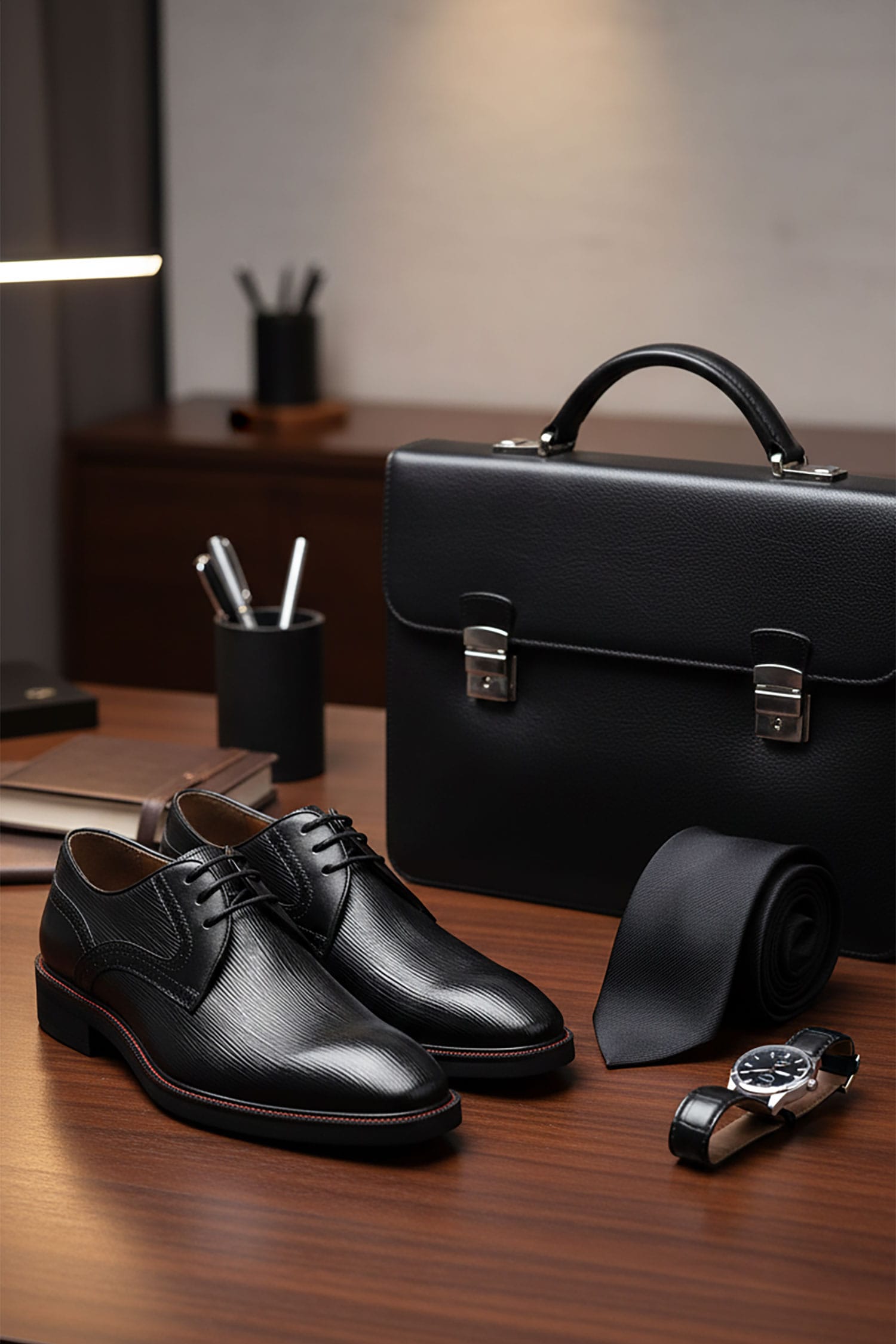
Great socks deserve equally great shoes. Wearing luxury hosiery inside budget dress shoes is like wearing a designer tie with a discount suit. The entire outfit suffers when any foundational element falls short. Premium dress shoes and quality socks create a coordinated foundation for sophisticated style.
5. Skipping the Bare-Leg Gap Test
Sit down while wearing your socks. Can you see bare skin between sock and pant leg? If yes, they're not tall enough for professional environments. Over-the-calf socks should eliminate this gap entirely. This single detail separates polished professionals from casual dressers.
6. Storing Socks Improperly
Rolling socks tightly creates permanent creases and stretches the elasticity. Storing socks in direct sunlight causes color fading. The proper approach: fold socks loosely and store in a cool, dark drawer. This preserves elasticity, color, and shape for maximum longevity.
7. Washing at High Temperature
Hot water degrades natural fibers and synthetic elastane simultaneously. Premium dress socks require cool or warm water washing (never hot), delicate cycles, and hang-drying or low-heat drying. This single care adjustment can extend sock lifespan by 50%.
Care & Maintenance: Making Your Investment Last
Premium dress socks are investments that return value through years of superior comfort. Proper care maximizes this return.
Washing Protocol
Wash socks in cool or warm water (never hot), using a gentle detergent without bleach or harsh chemicals. Turn socks inside-out before washing to reduce pilling and extend color vibrancy. Use a delicate cycle or hand-wash if your washing machine offers this option. This gentle approach preserves fiber integrity and elastane elasticity far better than standard washing.
Drying
Never use high-heat dryers. The combination of moisture and intense heat accelerates fiber breakdown and destroys elastane, turning socks into stretched-out, saggy failures. Instead, hang socks to air-dry or use your dryer's delicate low-heat setting. Air-drying is genuinely superior—socks dry completely and maintain their shape without any heat damage.
Storage
Proper storage seems trivial but matters significantly. Store socks in a cool, dark drawer away from direct sunlight (which fades color and degrades natural fibers over time). Fold socks loosely rather than rolling them tightly—tight rolling creates permanent creases and stretches elasticity prematurely. A simple sock organizer keeps everything neat while preserving sock condition.
Rotation
Don't wear the same pair of premium socks on consecutive days. Natural fibers need recovery time—specifically, time for moisture to completely evaporate and elastane to relax to its normal state. Rotate through at least five pairs to distribute wear evenly and maximize lifespan. This is why building a dedicated premium sock collection matters—it's not excess, it's sustainability.
Frequently Asked Questions
How many pairs of premium socks should I own?
A professional wardrobe should include 12-15 pairs of premium dress socks. This provides a full two-week rotation without laundry overlap and allows proper recovery time between wears. If you travel frequently or attend high-stakes meetings regularly, increase to 15-20 pairs to eliminate any risk of running short.
Are merino wool socks actually warm?
Yes—merino wool insulates effectively while remaining breathable. The misconception stems from traditional wool, which is thick and heavy. Merino wool provides genuine warmth in cold environments without the stuffiness or overheating that occurs with regular wool. Many professionals wear merino socks year-round for this reason.
Can I wear patterned dress socks in conservative industries?
Proceed with caution. Conservative industries (law, finance, government) still expect dark solid socks. Business casual environments permit subtle patterns if the overall effect remains professional. The safest rule: if you're uncertain about your specific workplace culture, stick with solid dark colors until you're certain patterns are acceptable.
What's the actual cost-per-wear for premium socks?
A $30 pair worn 250 times before retirement costs $0.12 per wear. A $10 pair worn 80 times costs $0.125 per wear. The math is nearly identical, but the premium socks deliver vastly superior comfort for every one of those 250 wears. This justifies the higher initial investment decisively.
Do compression socks help with fatigue?
Moderate compression in premium dress socks (15-20 mmHg) genuinely reduces leg and foot fatigue during extended standing or sitting. It improves circulation and supports your arch, which benefits professionals who spend long days on their feet. True compression socks (medical-grade) require prescriptions, but moderate compression integrated into premium dress socks delivers meaningful benefits without medical classification.
Should I treat merino socks differently than Pima cotton?
The care protocol is nearly identical: cool water, gentle cycle, air-dry. The main difference is that merino socks handle slightly cooler water better, while Pima cotton can tolerate marginally warmer temperatures. Both require avoiding hot water and high-heat drying. If you're mixing merino and Pima socks in one load, use the gentler merino protocol as the standard.
How do I know when socks are actually worn out?
Premium socks are "done" when they develop holes in the heel or toe (high-friction zones), when the calf band no longer stays up consistently, or when pilling becomes visible. A single small hole doesn't require retirement—careful darning can extend lifespan. But multiple holes or obvious loss of structural integrity means it's time for replacement.
The Bottom Line: Elevate Your Foundation
Premium dress socks are one of the most underrated investments in men's professional style. They're invisible to others—but you feel them with every step, every sit, every stand-and-deliver moment of your day. Quality hosiery doesn't just affect comfort; it affects confidence. When your feet feel supported and your socks stay precisely where they belong all day, you move through the world with the kind of subtle assurance that defines genuine luxury menswear.
The men who understand this truth build dedicated sock collections from materials like merino wool and Pima cotton, invest in proper fit, and follow meticulous care protocols that extend lifespan to 18-24 months per pair. They rotate through their collections seasonally and thoughtfully. They understand that attention to detail—from cufflinks to hosiery—is what separates polished professionals from the average.
Building a premium sock wardrobe isn't extravagance. It's an intelligent investment in your daily comfort, professional image, and long-term value. Start with a core collection of dark merino wool socks in over-the-calf height, add seasonal variations as your collection grows, and commit to proper care. The result: a foundation of comfort and style that elevates every outfit you wear.
Explore our complete collection of premium dress pants and luxury dress shoes to build a coordinated professional wardrobe where every element—from socks to shoes to pants—reflects the quality and sophistication you demand. Because true luxury menswear is built from the ground up.