
Premium Fall Wool Suits 2026: The Complete Buying, Fabric, Color & Professional Styling Guide
Premium Fall Wool Suits 2026: The Complete Buying, Fabric, Color & Professional Styling Guide
A wool suit in September isn't just wardrobe armor—it's your declaration. As temperatures drop and the calendar flips to fall 2026, the right suit becomes non-negotiable for men who live in professional spaces or demand elevated evenings. This isn't about following trends; it's about understanding construction, mastering color, and building pieces that outlast a season. We're breaking down everything: the fabrics that breathe and move, the colors that dominate fall runways, the cuts that work with your frame, and how to wear them without sounding like you've swallowed a business manual.
Table of Contents
- Understanding Fall Wool Fabrics
- Weave & Weight: What They Mean
- Fall Suit Colors That Command Attention
- Fit & Silhouette: Finding Your Cut
- Premium Construction: What to Look For
- Professional Styling for Fall 2026
- Premium Suit Buying Guide
- Common Wool Suit Mistakes
- Frequently Asked Questions
- Conclusion
Understanding Fall Wool Fabrics
Wool in fall isn't one-dimensional. The fabric world has evolved, and contemporary men's suits employ blends, weights, and finishes that 2010-era suiting would barely recognize. Here's what separates a premium fall suit from the rest of the rack.
Worsted Wool: The Foundation
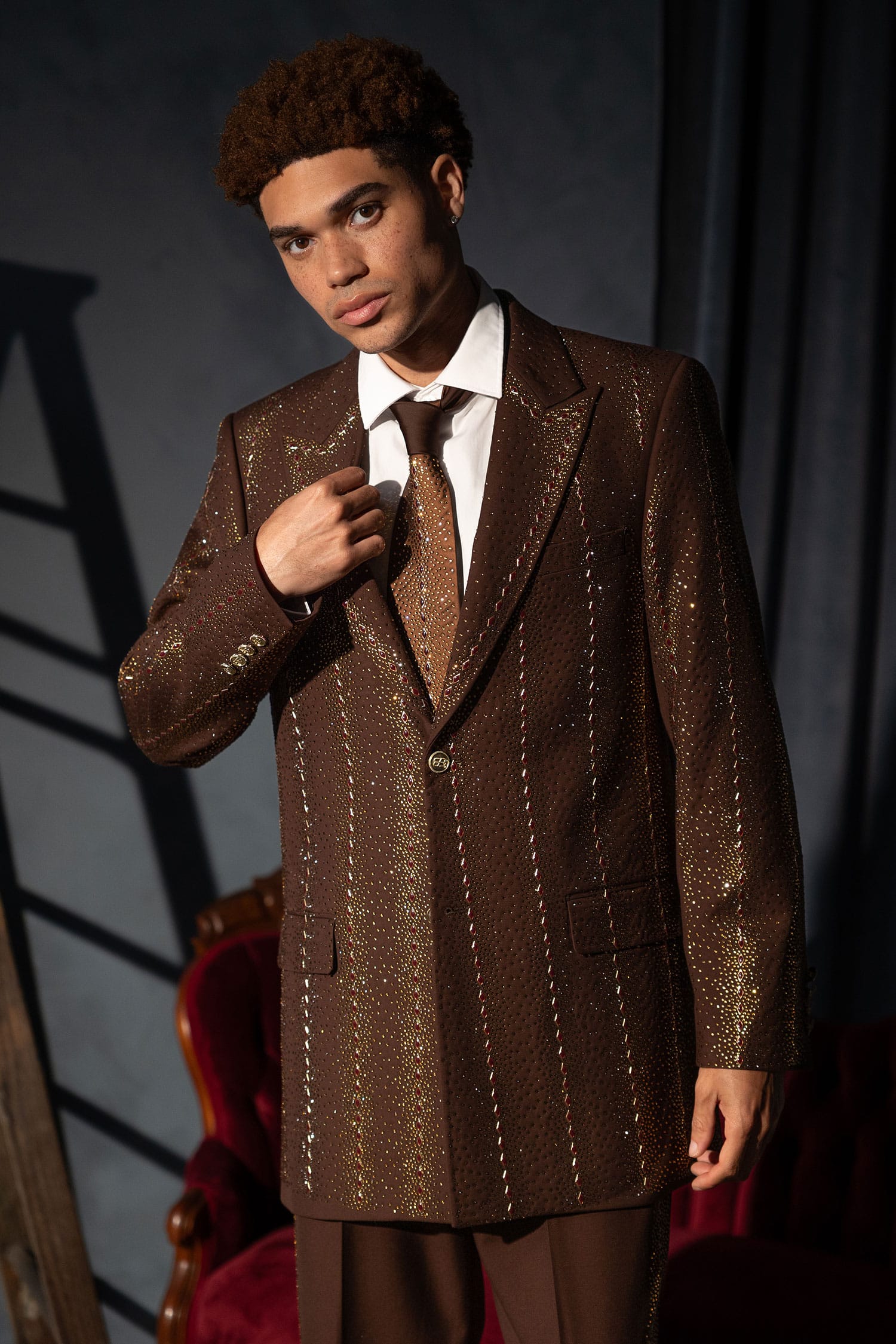
Worsted wool is spun from long fibers combed parallel before weaving—the result is a crisp, smooth surface with impressive drape and durability. A worsted fall suit holds its shape through morning meetings and evening events without collapsing into wrinkles by 5 PM. Look for 100% worsted or worsted-dominant blends (at least 85% worsted). Our Endless Brushed Cotton Suit showcases how finishing techniques add texture without sacrificing the clean worsted foundation.
Wool Blends: Stretch & Structure
Pure wool is luxurious, but a modest poly or elastane blend (5-15%) does magic: all-day comfort, resistance to wrinkling, and fabric memory that keeps you looking pressed. Premium brands in 2026 are unapologetic about blends because they perform. A wool-elastane blend moves with your body—no more rigid waistbands or jacket armholes that feel like a cage. The Archibald Tuxedo Suit demonstrates how peak lapels and structured construction pair beautifully with modern comfort blends.
Brushed Wool & Textured Finishes
Brushed wool has a soft, matte hand-feel and traps air better than flat worsted, making it ideal for shoulder-season fall weather when you're oscillating between 55°F mornings and 70°F afternoons. Textures—brushed, flannel, or napped surfaces—add visual interest and hide minor wrinkles better than high-shine fabrics. These pieces layer well and photograph sophisticated in boardroom settings.
Mohair & Luxury Blends
For evening wear or special occasions, mohair-wool blends catch light with a subtle sheen and offer exceptional warmth without bulk. Mohair fibers are naturally lustrous, so a mohair suit worn to a gala or autumn wedding reads "elevated" without screaming "costume." Use these sparingly for maximum impact.
Weave & Weight: What They Mean
Fall sits in an odd climate space—cool enough for structure, not cold enough for the heaviest weights. Here's the breakdown:
Weight Categories
- Super 100s–120s (Lightweight): Spun from ultra-fine fibers, these suits feel weightless and are ideal for transitional fall and indoor professional settings. They wrinkle more easily than heavier weights but look incredibly refined.
- Super 130s–150s (Mid-Weight): The sweet spot for 2026 fall suiting. These balance drape, durability, and comfort. They work for commutes, full days in the office, and evening occasions without requiring a separate wardrobe.
- Super 160s+ (Heavyweight): Reserved for late fall, winter, and formal evening wear. These are your investment pieces—suits that earn their place in your closet for decades.
Common Weaves
Plain Weave: Simple and clean, this is your workhorse. It's breathable, relatively wrinkle-resistant, and works for any occasion.
Twill Weave: Diagonal ribs create texture and a slightly heavier drape. Twill suits handle motion better and hide movement wrinkles. Common in casual wool suits and blazers.
Herringbone: A V-shaped weave pattern that photographs beautifully and adds visual complexity. Often found in sport coats but increasingly popular in full suits for fall.
Prince of Wales & Windowpane: Check patterns that read "tradition" without feeling stuffy. These work best in neutral colorways (grey, charcoal, navy) for professional settings.
Fall Suit Colors That Command Attention
Color is where personal style enters the room first. Fall 2026 has shifted away from the monochromatic blacks and navys that dominated previous decades. Luxury men's fashion is embracing earthy depth, jewel tones, and unexpected hues—all while maintaining professional credibility.
Neutral Foundations
Charcoal Grey: The most versatile fall suit color. It works in professional settings, evenings, and casual layering. A charcoal grey suit pairs with nearly any shirt, tie, or pocket square. Invest in this first if you're building a collection.
Navy (Deep Indigo): Slightly warmer than charcoal and equally professional. Navy photographs beautifully under indoor lighting and reads "composed" without coldness. Pair with luxury dress shirts in white, light blue, or subtle patterns.
Taupe & Camel: These warm neutrals are gaining traction in 2026. A taupe suit in brushed wool works for business-casual settings and reads premium. Camel, while bolder, grounds a wardrobe and pairs unexpectedly well with burgundy or forest green accessories.
Jewel Tones: The Power Shift
Burgundy & Wine: Autumn's most luxurious color. Burgundy suits feel intentional and confident—they're for men who know their style. Pair with creams, taupes, or deep browns for sophisticated fall entertaining.
Forest Green & Olive: These earth-toned jewels appeared on fall runways from Milan to New York. A forest green suit feels modern luxury and works beautifully for evening occasions or creative professional environments. Layer with a neutral shirt to balance the color impact.
Deep Navy with Tonal Patterns: Pinstripes, subtle checks, and herringbone weaves in navy add dimension without compromising professionalism. These suits transition easily from office to evening and hide imperfections better than solids.
Non-Traditional Choices
For men confident in their style, burnt orange, terracotta, and slate grey are emerging. These require intentional coordination but signal sophistication and individuality. If you're considering a bold color, ensure the fabric quality is exceptional—premium wool handles unusual hues better than budget fabrics.
Fit & Silhouette: Finding Your Cut
Fall 2026 has moved decisively away from aggressive slim-fit silhouettes. The trend now centers on what menswear experts call "comfortable structure"—jackets with slightly broader shoulders, easier chest room, and trousers with a straighter leg than the 2010s-era skinny pant.
Jacket Fit Essentials
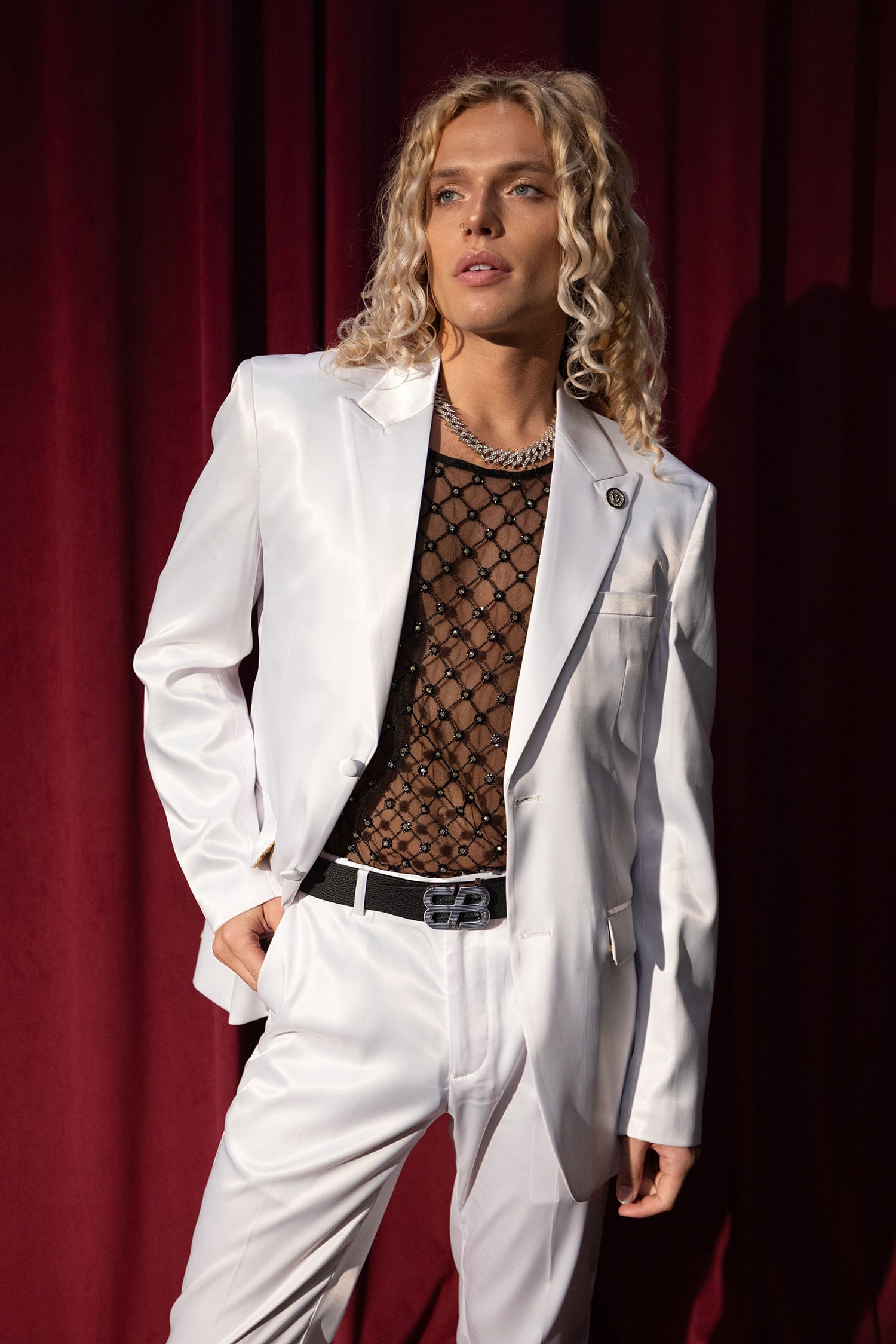
Your jacket should feel like a second skin—not restrictive, not baggy. The shoulder seam should sit at your shoulder point (not roll forward or pull backward). The lapels should lay flat against your chest. When you button the jacket, there should be no pulling across the chest or back, and you should be able to fit a flat hand between your torso and the jacket. Try our Alaric Satin Suit to experience how modern construction balances polish with freedom of movement.
Lapel Styles
Notch Lapel: The most versatile and approachable. Works for business, business-casual, and semi-formal. This is your baseline if you're building a professional wardrobe.
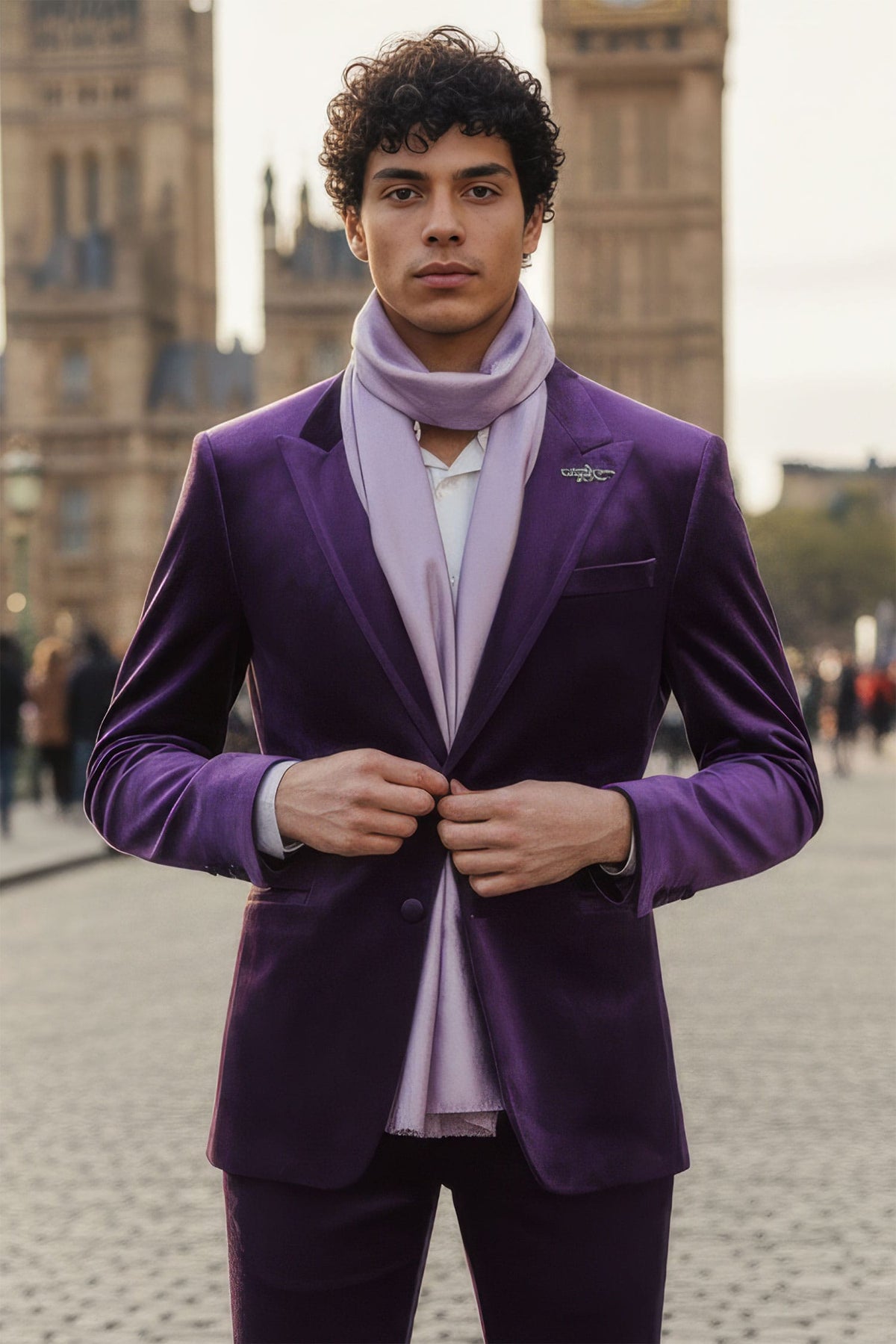
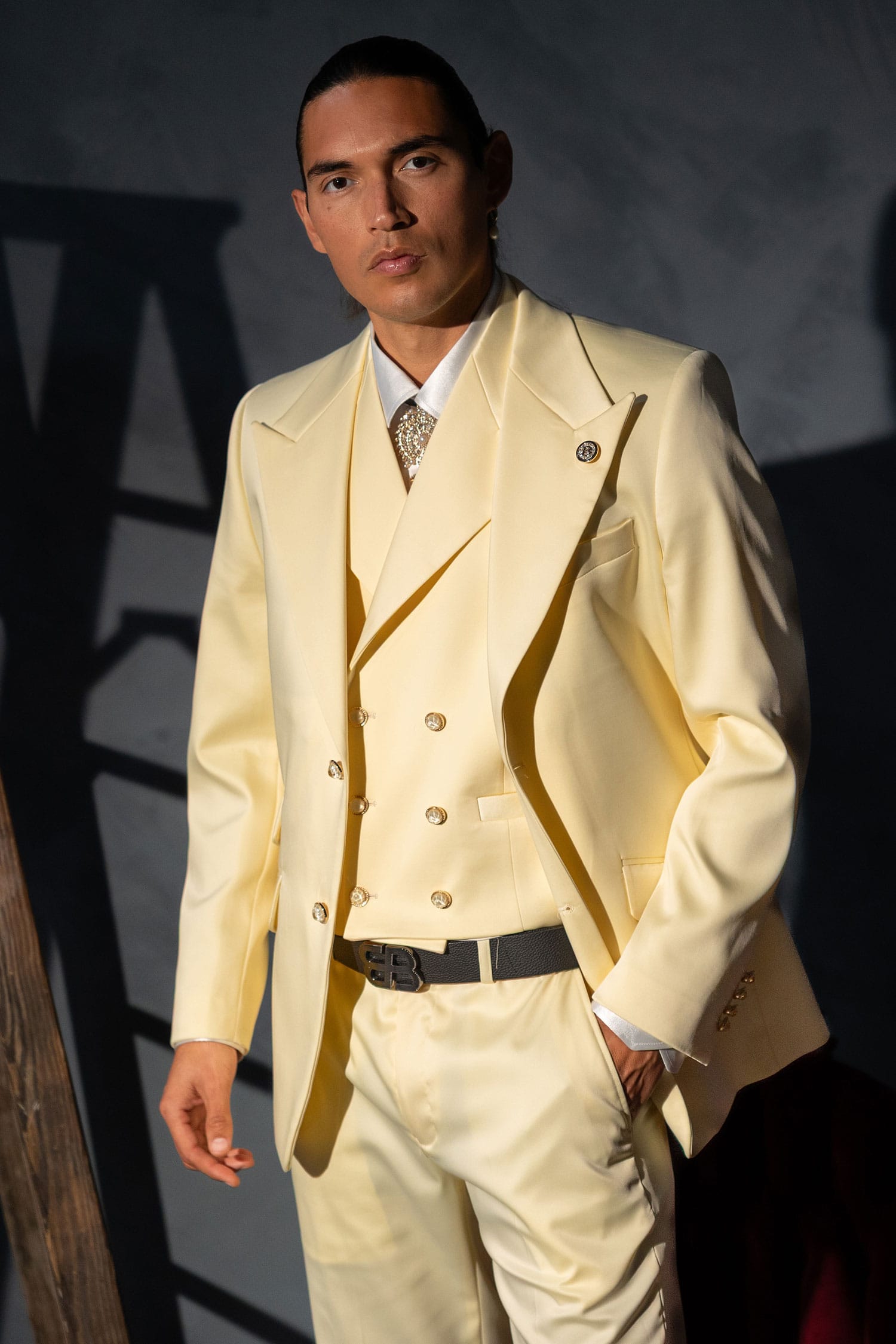
Peak Lapel: Slightly more formal and assertive. Peak lapels suit men with broader shoulders and work beautifully in evening wear or business-formal settings. See the Bangalore Velvet Peak Lapel Suit for how this style elevates presence.
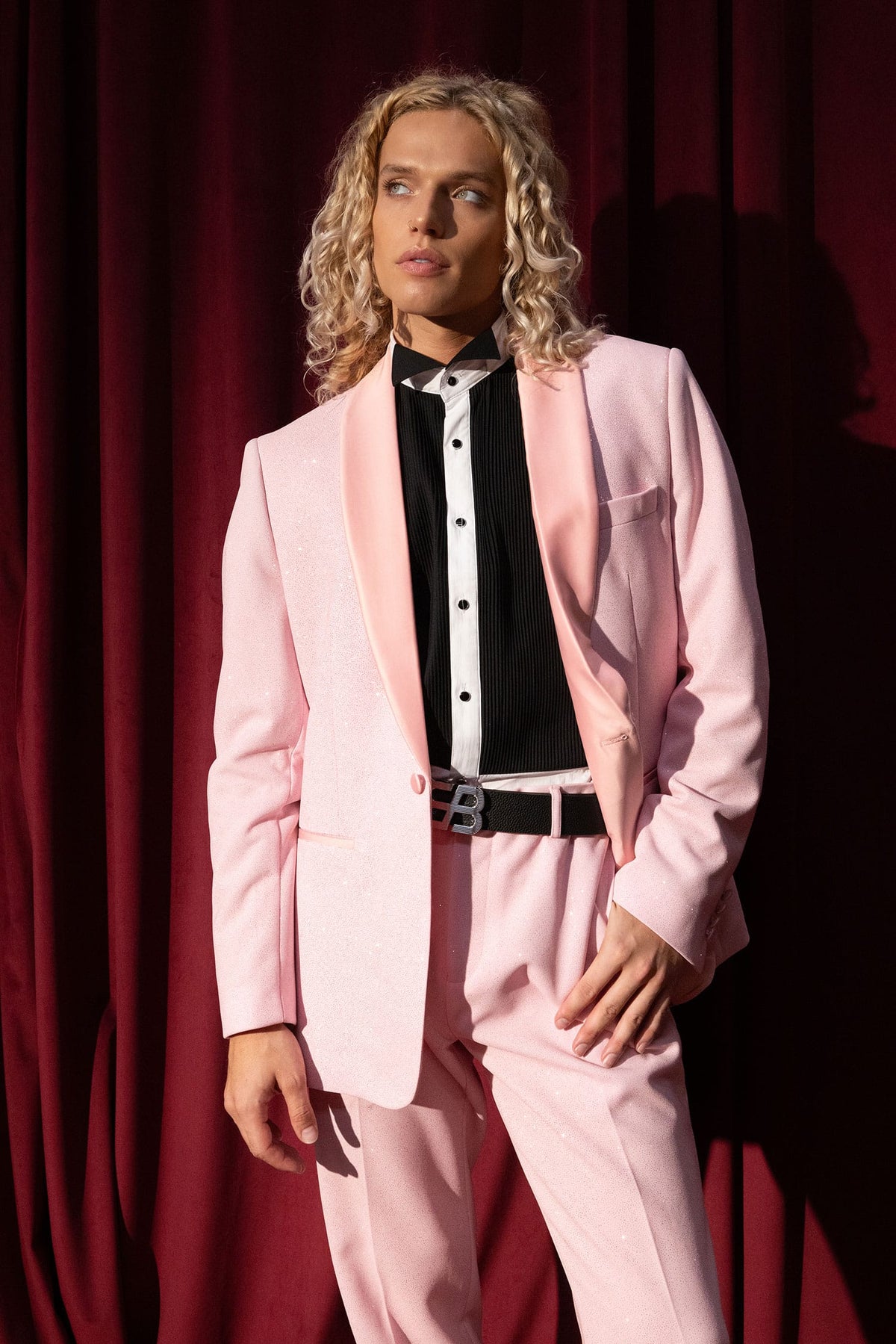
Shawl Lapel: The most formal and evening-appropriate. Shawl lapels curve smoothly from shoulder to button stance—a detail that signals black-tie or cocktail sophistication.
Trouser Breaks & Length
Fall suiting in 2026 favors a clean break—trousers that touch the top of your shoe with a single fold across the instep. This isn't the cropped "no-break" look of the 2010s or the heavy break of the 2000s. It's considered and intentional. Cuffed trousers add visual weight and formality; uncuffed reads slightly more contemporary. Choose based on your height and intended occasion.
Body Type Considerations
Slim Frames: Opt for fitted silhouettes without aggressive tapering. A structured blazer with proper shoulders creates the illusion of presence. Avoid oversized cuts.
Athletic/Broad Shoulders: Look for jackets with room in the chest and shoulders. A peak lapel suit complements your frame. Straight-leg trousers work better than tapered.
Heavier Build: Vertical elements—peaked lapels, longer jackets, vertical seaming—create slimming silhouettes. Darker colors and textures (brushed wool, herringbone) perform better than flat, bright surfaces. Shop relaxed-fit styles without hesitation—confidence fits better than restriction.
Premium Construction: What to Look For
The difference between a $300 suit and a $600 suit often comes down to invisible details. Here's what separates investment pieces from disposable fashion.
Canvassing: The Foundation
Premium jackets use half or full canvas—a layer of linen or horsehair between the outer fabric and lining that gives the jacket structure and allows it to mold to your body over time. Fused suits use glue and don't develop character; they're cheaper upfront and fall apart faster. Full canvas is the gold standard; half canvas is acceptable for most professional use.
Hand-Sewn Details
Check for hand-stitched lapels, pick stitching (decorative thread on lapels and jacket edges), and hand-finished buttonholes. These details require time and skill—they're indicators of genuine quality. Run your hand over the lapels: they should feel supple, not stiff.
Button Placement & Quality
Buttons should feel substantial. Cheap suits use thin plastic; luxury suits use horn, corozo, or high-quality resin. Button placement matters: the first button should sit at your natural waist, roughly where you'd rest your hand. Two-button jackets are versatile; three-button reads slightly more formal or vintage-inspired.
Lining & Interior Finish
Quality linings are 100% natural fiber (silk, cotton, or viscose blends) and contribute significantly to how a suit feels to wear. Cheap suits use plasticky polyester that clings to dress shirts and feels cold against skin. Run your hand inside the jacket—it should feel pleasant, not synthetic.
Seams & Stitching
Examine seams closely (most tailors will let you inspect before purchase). Tight, even stitching indicates precision. Loose or uneven stitching is a red flag. Quality suits have seam allowances of at least 2 inches—room for alterations without reconstructing the garment.
Professional Styling for Fall 2026
A premium suit is foundation; styling is architecture. Here's how to wear fall suits in ways that feel contemporary, not costume.
The Business Formal Look
Pair a charcoal or navy suit with a crisp white or light blue dress shirt. Add a silk tie in a complementary tone (burgundy, forest green, subtle patterns). A pocket square or boutonnière (for evening events) adds polish without excess. Shoes: classic oxford or loafer in black or brown leather. This is boardroom, law office, and black-tie-adjacent territory.
Business Casual with Suits
The "New Business Casual" trend treats suiting as elevated basics. Wear your suit jacket unbuttoned with a casual sweater or henley underneath—no tie. Pair with your suit trousers or swap them for quality jeans in a darker wash. Loafers or clean luxury sneakers complete the look. This reads "sophisticated but approachable" in creative or modern professional environments.
Elevated Casual
Wear just the suit jacket over a polo shirt or untucked long-sleeve shirt. Pair with well-fitted chinos or luxury jeans. This hybrid approach borrows suit polish while maintaining casual comfort. It's perfect for professional occasions that don't demand full suiting—client dinners, gallery openings, upscale restaurants.
Evening & Event Styling
For autumn galas, weddings, or cocktail events, commit to the full suit. Choose jewel-toned or textured fabrics. Layer thoughtfully: a quality watch, cufflinks, a silk tie, or a bow tie (for black-tie occasions). Pocket squares should coordinate, not match. The goal is composed confidence.
Seasonal Transitions
Fall suits layer beautifully with sweaters and outerwear. Wear a cashmere sweater or knit vest under your suit jacket for added warmth and visual interest. A luxury topcoat or blazer over your suit creates a sophisticated silhouette and extends warmth as temperatures drop into November and December.
Premium Suit Buying Guide
| Suit Style | Best For | Fabric | Price Range |
|---|---|---|---|
| Endless Brushed Cotton | Professional entry point; business-casual | Brushed cotton blend | $210 |
| Abbey Matte Notch Lapel | Versatile foundation suit; office | Matte wool blend, notch lapel | $199 |
| Alaric Satin | Evening wear, formal occasions | Shiny satin blend | $236 |
| Bangalore Velvet Peak Lapel | Upscale events, statement pieces | Velvet blend, peak lapel | $396 |
| Damask Floral 3-Piece | Luxury events, special occasions | Floral patterned wool, 3-piece | $356 |
| Archibald Tuxedo Slim Fit | Black-tie events, formal galas | Matte/shiny contrast peak lapel | $279 |
Common Wool Suit Mistakes to Avoid
Mistake #1: Prioritizing Price Over Construction
A $200 suit isn't an investment; it's a rental. If you're wearing suits regularly, allocate $300–500 for your first quality piece. Premium construction lasts years; cheap construction lasts seasons. The math favors investment.
Mistake #2: Poor Tailoring
Off-the-rack suits rarely fit perfectly. Budget 5–10% of the suit price for tailoring—hemming trousers, taking in jacket sides, adjusting sleeve length. A perfectly tailored $300 suit outperforms an ill-fitting $1000 piece.
Mistake #3: Ignoring Fabric Blend Information
Don't assume all "wool suits" are created equal. Read the fiber content. Blends with natural elastane feel better and maintain shape better than 100% wool. Synthetic blends that don't include natural fibers feel plasticky and age poorly.
Mistake #4: Wearing Mismatched Colors & Tones
A suit should form a cohesive unit. If your jacket is dark charcoal, your trousers shouldn't be light grey—they'll read as separates. Slight tonal variation is acceptable; dramatic color mismatches read unintentional.
Mistake #5: Inadequate Maintenance
Wearing the same suit three days in a row without allowing fabric rest time leads to breakdown. Rotate suits (if you own multiple) or space wear days. Use a suit brush to remove surface dust and lint. Dry-clean only 2–3 times per year; over-cleaning damages fabric. Store on wooden hangers in a breathable garment bag.
Frequently Asked Questions
What's the difference between worsted and woolen wool?
Worsted wool is spun from long, parallel fibers and produces a smooth, crisp surface that resists wrinkles and wears exceptionally well. Woolen wool uses shorter fibers and creates a softer, hairier surface. Worsted is the standard for professional suiting; woolen is better for knits and heritage tweeds. For fall suits, choose worsted or worsted-dominant blends.
Should I buy 100% wool or a blend?
Blends with 5–15% elastane or polyester offer superior comfort and wrinkle resistance without sacrificing luxury feel. 100% wool is luxurious but requires careful handling. For professional wear, blends perform better. For evening investment pieces, 100% wool is acceptable if you're willing to manage care carefully.
What weight should I choose for early fall (September–October)?
Super 130s–150s wool is perfect for transitional fall. It's light enough for indoor offices and mild outdoor temperatures but offers enough structure for professional presence. Save heavier weights (Super 160s+) for November and beyond.
Can I wear a dark grey suit year-round or just in fall/winter?
Dark grey is actually one of the most versatile year-round colors. It works beautifully in summer with lightweight fabrics and in winter with heavier wools. The key is fabric weight and breathability, not color. A charcoal suit in Super 100s wool works in summer; the same color in Super 150s works only in fall/winter.
How often should I dry-clean my wool suits?
Professional guidance suggests dry-cleaning 2–3 times per year maximum, depending on wear frequency. Between cleanings, use a soft suit brush to remove dust and allow the fabric to air naturally. Spot-clean spills immediately with a damp cloth. Excessive dry-cleaning shortens suit lifespan dramatically.
What accessories pair best with fall wool suits?
Leather shoes in brown or black (oxfords or loafers), silk ties in jewel tones or subtle patterns, pocket squares, and a quality watch all complement fall suiting. For evening, add cufflinks and a tasteful tie clip. Avoid plastic or novelty accessories—they undermine suit quality.
Should fall suits have patterns or be solid colors?
Both work, depending on occasion and personal style. Solid colors (charcoal, navy, burgundy) read classic and versatile. Subtle patterns (checks, herringbone, pinstripes) add visual interest and hide stains better. For professional or evening wear, solids or muted patterns are safer choices. Bolder patterns suit creative environments.
How do I prevent my wool suit from developing a shine?
Shining occurs from friction and body oils. Wear suit jackets unbuttoned when sitting to reduce friction on the chest and shoulders. Store on proper hangers to maintain shape. Use a suit brush to lift the nap gently. If shine develops, professional pressing can restore surface texture. Budget quality prevents shine better than reactive treatments.
The Bottom Line: Investing in Premium Fall Wool Suits
Fall 2026 is the perfect season to reassess your suit collection. The trends moving through luxury menswear—relaxed silhouettes, jewel-tone colors, and premium blends—align with comfort and longevity. A well-constructed wool suit doesn't expire; it matures. Small stains fade into character; fabric develops patina; and pieces become increasingly personal as you wear them.
Start with a charcoal or navy suit in worsted wool or a quality blend. Invest in proper tailoring. Learn to care for it. Build from there. Our complete suit collection spans price points and styles—from versatile professional workhorses to statement evening pieces. Whether you're dressing for boardrooms or autumn celebrations, premium wool suiting remains the foundation of intentional style.
Ready to elevate your fall wardrobe? Explore Barabas premium wool suits designed for men who take their style seriously. Browse our full collection and discover pieces that fit your frame, your life, and your ambitions.